How to Prevent Frozen Pipes: Winter Plumbing Tips
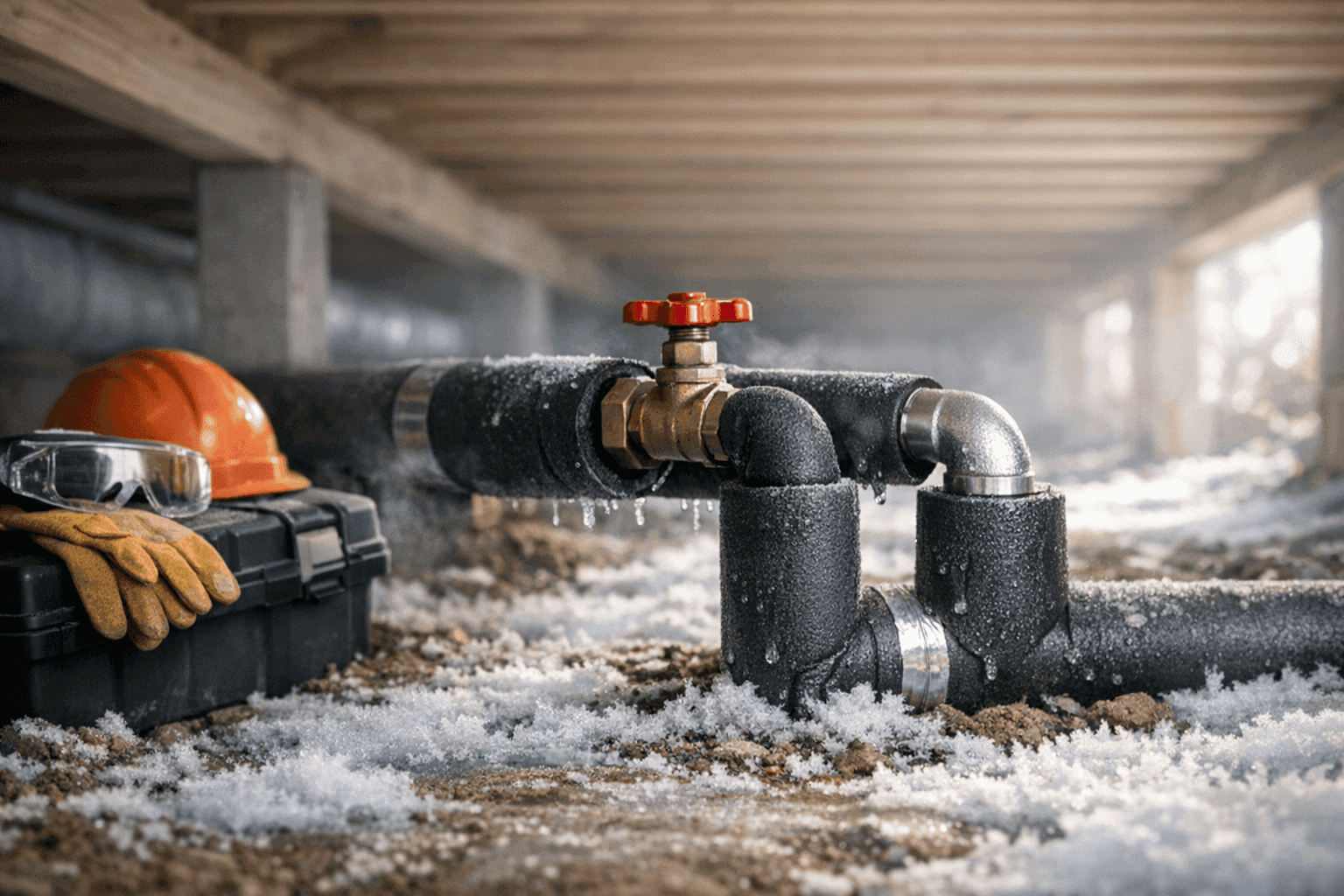
Winter sneaks in like an uninvited guest, bringing more than just chilly air—hidden dangers lurk in your plumbing. Frozen pipes can catch any homeowner off guard, turning a cozy night indoors into a costly headache.
At Julius La Rosa Plumbing, we’ve seen firsthand how winter can strain even the sturdiest homes. With the right prevention, you can keep your plumbing flowing smoothly all season long.
Why Pipes Freeze
Cold snaps can turn your home’s pipes into ice-cold bottlenecks. When water inside a pipe drops below 32°F, it begins to freeze, expand, and push against the pipe walls. This pressure, like a soda left in the freezer, can cause pipes to burst—leading to water damage and expensive repairs.
Thin, exposed pipes are especially vulnerable. And the risk isn’t just about temperature. Wind, insulation, and even the type of pipe material play a role. According to the International Residential Code (IRC), pipes in unheated spaces are at the highest risk.
High-Risk Areas in Homes 🧊
Some parts of your house are more at risk than others. Watch these spots as winter approaches:
- Crawl spaces and attics
- Basements, especially near exterior walls
- Pipes running through garages or cabinets
- Outdoor hose bibs and spigots
- Uninsulated walls
Think of these areas as the drafty corners where winter finds its way in.
Steps to Prevent Freezing
Prevention is all about preparation. Here are the best steps to protect your pipes:
Insulation
Wrap pipes in foam pipe sleeves or fiberglass insulation. Focus on pipes in unheated areas first. Insulation acts like a winter coat for your home’s plumbing. Make sure there are no gaps or exposed joints—cold sneaks through the smallest cracks.
Dripping Faucets
Letting a faucet drip ever so slightly helps keep water moving. Moving water is much harder to freeze than standing water. Target faucets connected to pipes running along exterior walls.
Thermostats
Keep your thermostat set to at least 55°F, even if you’re away. Consistent indoor heat is your best defense. Smart thermostats can help maintain temperatures while saving on energy bills.
Common Mistakes Homeowners Make
It’s easy to overlook the little things. Some common slip-ups we see:
- Shutting off the heat entirely when leaving home
- Ignoring drafty doors or windows near pipes
- Forgetting to disconnect and drain garden hoses
- Skipping annual plumbing checkups
A little attention can prevent a lot of trouble.
DIY vs. When to Call a Pro
Some winterizing tasks are perfect for DIY—like adding insulation or opening cabinet doors to let warm air circulate. But if your home has older plumbing, or if you’ve noticed low water pressure, it’s time for a professional evaluation.
Preventative maintenance with a plumber can identify hidden risks before they become emergencies. For comprehensive winterization and peace of mind, consider scheduling an annual preventative plumbing checkup.
What to Do If a Pipe Freezes
Caught in the cold? If you turn on a faucet and only a trickle comes out, a pipe may be frozen.
- Turn off the main water valve right away to reduce pressure.
- Open the affected faucet to let water escape as the ice melts.
- Use a hair dryer, heat lamp, or space heater to gently warm the pipe—never use an open flame.
If a pipe has burst or you can’t locate the freeze, don’t wait. A qualified plumber can thaw pipes safely and check for cracks or leaks.
Signs of Trouble Before a Burst
Frozen pipes often give off warning signs before disaster strikes. Listen and look for:
- Unusual sounds: banging or whistling pipes
- Frost on exposed pipes
- Damp patches or unexplained puddles in the basement
- Sudden drops in water pressure
Spotting these clues early can make all the difference.
The Real Cost of Frozen Pipes
A burst pipe can damage floors, walls, and even your foundation. Insurance claims often run into the thousands. Plus, water damage is a hassle no one wants to face in winter.
Prevention is always more affordable than repair. Invest a little time now to avoid a major expense later.
When It’s an Emergency
Sometimes, despite your best efforts, pipes still freeze. If you notice a sudden flood, hear water spraying behind the wall, or see a ceiling bulge, act fast. Shut off the main water supply and electricity to affected areas.
Local help is available for plumbing emergencies. Residents in Lawton and nearby communities can count on prompt response from our local team during severe winter conditions.
Preparing Your Home Before a Cold Snap
A few hours of prep can protect your plumbing for months:
- Seal cracks and gaps in walls near pipes.
- Detach, drain, and store outdoor hoses.
- Add insulation to attics, basements, and garages.
- Know where your main water shutoff valve is—it’s your emergency stop button.
Professional Winterization: What the Pros Do
When homeowners call for winter plumbing preparation, here’s what professionals typically do:
- Inspect all visible pipes for wear or damage
- Add insulation to vulnerable sections
- Test water pressure and flow
- Check water heaters and sump pumps
- Advise on upgrades, especially if your system is older
Some homes may need pipe repairs or upgrades to meet modern safety standards.
Seasonal Considerations for Older Homes
Historic homes have charm—and quirks. Older plumbing systems, especially those with galvanized or copper pipes, are more likely to freeze. If your house was built before the 1980s, consider a full plumbing inspection before winter hits.
FAQ: Quick Answers About Frozen Pipes
How cold does it need to be for pipes to freeze? Generally, pipes can freeze when outdoor temperatures drop below 20°F for several hours.
Can I use heat tape safely? Yes, but always follow manufacturer instructions and local electrical codes to avoid fire risks.
Will my insurance cover pipe bursts? Most home policies cover sudden, accidental water damage. Check your specific policy for details.
Materials and Equipment That Help
- Foam pipe insulation
- Heat tape or cables (UL-listed)
- Weatherstripping for doors and windows
- Smart thermostats for consistent heat
- Leak detectors for early warnings
All materials should meet local building codes and be suitable for residential use.
Timeline & Disruption: What to Expect
Basic winter prep can take just a morning or afternoon. More complex repairs or repiping may require a few days. Homeowners should expect some water shut-off time, especially if repairs are needed.
Final Thoughts: Stay One Step Ahead
Winter brings enough challenges without frozen pipes adding to your worries. With a little foresight and the right steps, your home’s plumbing will be ready to face whatever the season throws your way.
Call Julius La Rosa Plumbing now — or reach us anytime at 855-598-5280 .