How to Prevent Basement Flooding with Proper Plumbing
When water sneaks into your basement, it feels like an uninvited guest that just won’t leave. You picture ruined boxes, soggy carpets, and the headache of repairs. But with the right plumbing strategies, you can slam the door on basement flooding before it even starts.
At Julius La Rosa Plumbing, we’ve seen firsthand how a few smart choices can save years of stress and expense. Let’s dig into practical ways to keep your basement high and dry—no matter what the forecast brings.
Understanding Why Basements Flood
Basement flooding isn’t just a bad-luck storm. It’s often the result of plumbing oversights, aging pipes, or drainage that can’t handle heavy rain. Sometimes it’s as simple as a clog, sometimes a hidden leak. Think of your basement as the lowest point in your home—the catcher's mitt for every drop that gets past your defenses.
Common causes include:
- Clogged or overwhelmed floor drains
- Broken or blocked sewer lines
- Malfunctioning sump pumps
- Poor yard grading directing water toward your foundation
- Leaky pipes, especially old or corroded ones
Knowing the enemy is half the battle.
First Line of Defense: Sump Pumps
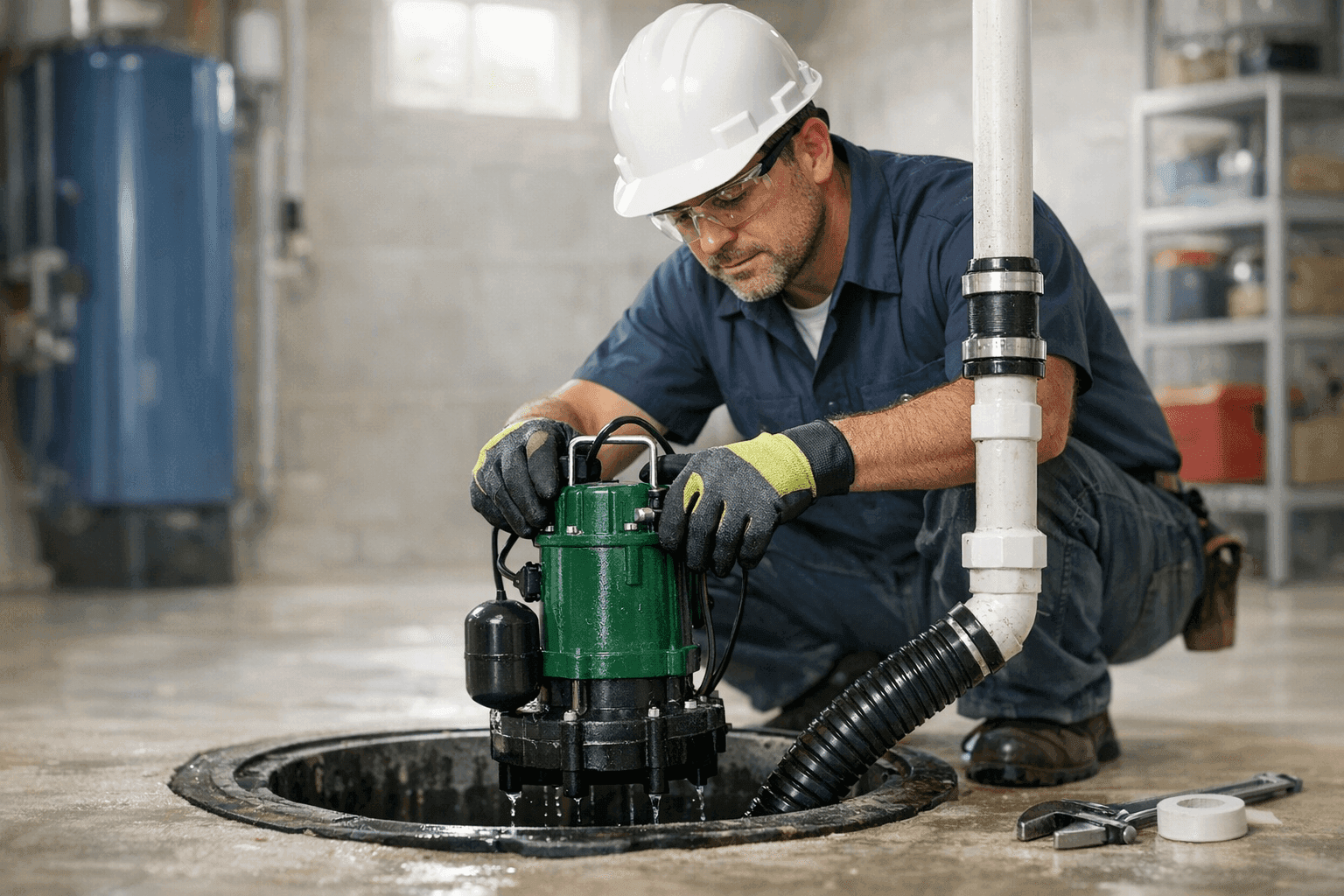
A sump pump is like a goalie for your basement. When water starts to collect, the pump boots it right back outside, where it belongs.
How Sump Pumps Work
- Water gathers in a pit (the sump basin) below your floor.
- When the water reaches a certain level, the pump kicks on.
- It sends the water through pipes away from your home.
Maintenance Tips
- Test your sump pump every few months by pouring water into the basin to make sure it activates.
- Keep the pit free of debris.
- Check for strange noises or vibrations.
- Replace backup batteries annually if you have a battery system.
A well-maintained sump pump is your best bet against rising water.
Backflow Valves: Stop Water from Flowing Backwards
Imagine your plumbing like a one-way street. Backflow valves make sure water only goes in the direction it’s supposed to—out.
Why You Need a Backflow Valve
During heavy storms, sewer systems can overflow. Without a check valve, that mess can surge right into your basement through toilets, floor drains, or sinks. Not a pretty picture.
What to Know
- Backflow valves are installed in your main sewer line.
- They automatically close when water tries to reverse direction.
- City plumbing codes often require them in flood-prone areas (check with your local code or the International Plumbing Code).
Drainage Matters: Keep Water Moving Away
Your home’s drainage is like a gutter system for your entire property. If it’s blocked, cracked, or pointed the wrong way, water will find its way inside.
Essential Drainage Steps
- Make sure gutter downspouts extend at least 6 feet away from your foundation.
- Grade soil so water flows away, not toward, your house.
- Clean outdoor drains and window wells regularly.
- Address low spots in your yard that tend to puddle.
If you spot recurring puddles or soggy earth near your basement walls, don’t ignore them.
Routine Maintenance: The Unsung Hero 🛠️
Preventative maintenance is a bit like brushing your teeth: easy to skip, but you’ll regret it if you do.
Simple Maintenance Chores
- Inspect basement pipes for condensation, rust, or leaks.
- Schedule annual sewer line inspections, especially in older homes.
- Flush and clean floor drains.
- Clear debris from outdoor grates and window wells.
- Replace worn-out sump pump parts before they fail.
For bigger jobs, like garbage disposal repair near you, rely on a professional.
Signs Your Basement Plumbing Needs Attention
Don’t wait until there’s water at your ankles. Watch for:
- Damp, musty smells
- Water stains on walls or floors
- Gurgling drains or slow water flow
- Sump pump running constantly or not at all
- Cracks in foundation or basement floor
A small drip today can become a flood tomorrow.
What to Do When Water Strikes
Flooded basements feel overwhelming, but having a plan helps.
Quick Safety Checklist
- Never walk through standing water if outlets or wiring are submerged.
- Turn off power at the breaker (if safe).
- Remove valuables and furniture to higher ground.
- Document damage for insurance.
When to Call a Plumber
If you can’t quickly stop the water or if drains are backing up, it’s time for a professional. And if you’re in the area, local support is available through our Friendswood plumbing services.
DIY or Professional? When to Call in the Pros
A plunger or a bottle of drain cleaner can only do so much. For sump pump installation, backflow valves, or major drain cleaning, trust someone with the right tools and licensing.
Pros Handle
- Sump pump and backflow valve installation
- Sewer line inspection with cameras
- Pipe repair or repiping
- Preventative maintenance plans
- Emergency response for leaks, clogs, and backups
DIY is fine for light cleaning, but for the heavy lifting, call for help.
The Cost of Prevention vs. Cleanup
Replacing a sump pump costs less than restoring a flooded basement. The same goes for addressing minor leaks or slow drains before they become disasters.
- Sump pump: Installation is a one-time cost, maintenance is minimal.
- Backflow valve: A smart investment that keeps sewage where it belongs.
- Professional inspections: Catch small issues before they snowball.
Flood cleanup can run into the thousands. Prevention costs a fraction.
Emergency Tips: Act Fast, Stay Safe ⚡
When a storm hits or a pipe bursts:
- Move electronics and valuables off the floor.
- Use towels and fans to start drying—mold can set in fast.
- Keep children and pets away from flooded areas.
- Call your plumber for urgent help.
Never ignore the warning signs, even if the water recedes.
Common Mistakes Homeowners Make
Here’s what we see too often:
- Ignoring slow drains or minor leaks
- Skipping annual sump pump testing
- Storing boxes right on the basement floor
- Failing to clean gutters and downspouts
A bit of vigilance goes a long way.
Seasonal Plumbing Considerations
Spring rains, summer storms, and winter freezes each bring their own risks.
- Spring: Check sump pump and drains before the rainy season.
- Summer: Heavy downpours can overwhelm old drainage.
- Fall: Leaves clog gutters and outdoor drains.
- Winter: Frozen pipes can burst and flood the basement.
Mark your calendar for seasonal check-ins.
How Long Do Upgrades and Repairs Take?
- Sump pump install: Usually a few hours.
- Backflow valve: One day, sometimes less.
- Full drain cleaning: A few hours, depending on the issue.
- Pipe repair: Varies, but most repairs are completed within a day.
Disruption is usually minimal, especially with experienced plumbers.
Materials and Equipment: Get the Right Stuff
Quality matters. Choose:
- Cast-iron or heavy-duty plastic sump pumps
- PVC or ABS pipes for new installations
- Battery backup systems for sump pumps
- Code-approved backflow valves
Reference the Uniform Plumbing Code or ask your plumber what’s best for your home.
FAQs: Quick Answers for Homeowners
Do I need a sump pump if my basement has never flooded? Yes. Flooding can happen unexpectedly, especially with severe storms.
What’s the difference between a check valve and a backflow preventer? Both stop water from reversing, but backflow preventers are designed to protect against sewage contamination.
How often should I have my drains cleaned? At least once a year, or more often if you notice slow drainage.
Is insurance enough to protect me? Insurance helps with cleanup, but prevention saves you from the hassle and loss.
Final Thoughts: Safeguard Your Home for the Long Haul
Basement flooding isn’t just about water—it's about peace of mind. With smart plumbing solutions, regular maintenance, and a professional on your side, you can face stormy weather without worry.
Call Julius La Rosa Plumbing now — or reach us anytime at 855-598-5280 .