How to Prevent Backflow in Your Home Plumbing
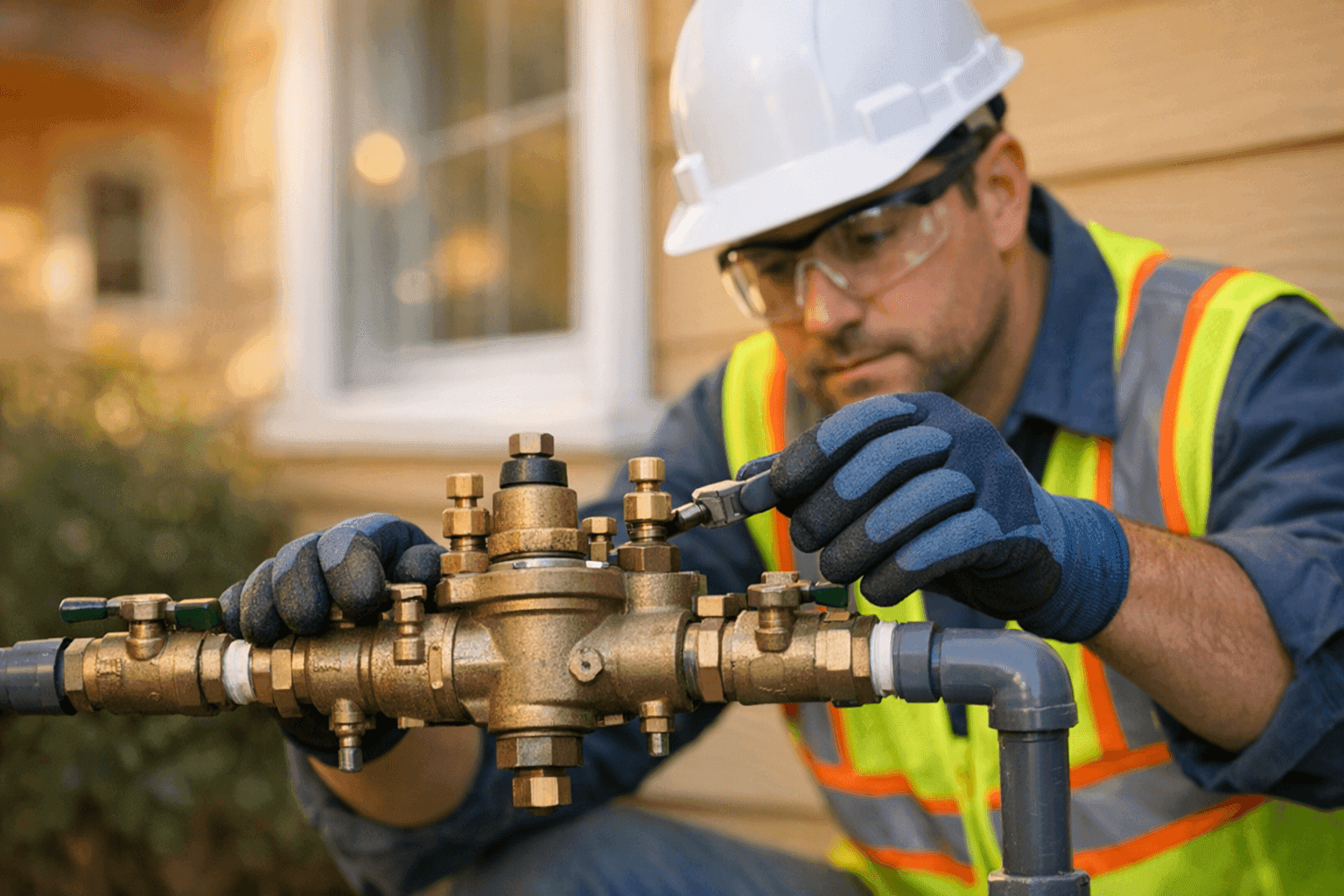
Is there anything worse than turning on the tap and worrying about what might come out? Backflow is one of those hidden plumbing issues that can sneak up on any home. If you’ve ever wondered how to keep your family’s water safe, you’re not alone. Every home’s plumbing system is vulnerable to backflow—especially when things go wrong.
At Julius La Rosa Plumbing, we know that understanding the risks and solutions is the first step in protecting your water and your home. Let’s break it down in plain language, so you know exactly what’s going on behind the walls.
What Causes Backflow?
Backflow is when water flows the wrong way in your plumbing system, bringing potentially contaminated water back into your clean supply. Imagine your garden hose as a straw. Sometimes, if the pressure drops or reverses, what’s outside the straw can get sucked back in. It’s a plumbing problem—one with serious health risks.
Common causes include:
- A sudden drop in water pressure (like when firefighters tap into the main line)
- Broken water mains in your neighborhood
- Faulty valves or connections in your plumbing system
- Cross-connections, such as a hose left submerged in a pool
A backflow event can introduce everything from dirt to bacteria into your water. That’s why it’s so important to pay attention to any sudden changes in water color, taste, or smell.
Backflow Prevention Devices 🛡️
There’s good news: Backflow can be stopped before it starts. Specialized devices, called backflow preventers, act like one-way doors for your plumbing.
Types of Backflow Preventers
- Atmospheric Vacuum Breakers (AVB): Simple and effective, these are often used for sprinkler systems.
- Pressure Vacuum Breakers (PVB): Common in home irrigation and easy to test.
- Double Check Valve Assemblies (DCVA): Used for low hazard situations, like residential homes.
- Reduced Pressure Zone (RPZ) Assemblies: The gold standard, especially where health hazards exist.
These devices are required by plumbing codes in many places (see the International Plumbing Code and local regulations). Their job is to keep everything flowing in the right direction—so you never have to worry.
If your home doesn’t have one, or you’re not sure what you have, it’s time for a plumbing checkup. And if you’re curious how these work in detail, our backflow prevention service page covers device options and installation in depth.
DIY Prevention Tips
You don’t need to be a plumbing pro to take small steps that help prevent backflow in your home.
- Never submerge hoses: Don’t leave garden hoses in buckets, pools, or ponds.
- Use hose bib vacuum breakers: These are inexpensive and screw onto outdoor faucets.
- Check for cross-connections: Make sure no device, like a hose or appliance, can siphon water back into your pipes.
- Inspect fixtures: Look for signs of wear or corrosion around faucets, toilets, and outdoor spigots.
- Keep drains clear: Slow drains can contribute to pressure changes. Regular drain cleaning helps maintain healthy flow.
Simple habits, like disconnecting hoses when not in use or watching for changes in water pressure, can make a big difference.
Regular Testing and Maintenance
No backflow prevention device is “set and forget.” Like a car’s brakes, these safety devices need routine checks.
Why Testing Matters
Over time, valves can fail, seals can crack, and devices can lose effectiveness—especially if your water has a lot of minerals or sediment. Annual professional testing is not just a recommendation; it’s often required by local and state codes to protect public water. The Environmental Protection Agency (EPA) and American Water Works Association (AWWA) both highlight the importance of regular inspection and testing.
Our backflow testing service ensures your devices are working and up to code.
Quick Safety Checklist 🚨
- Is your backflow preventer visible and accessible?
- Any signs of water pooling or leaks around the device?
- Have you scheduled your annual testing?
- Are hose bib vacuum breakers installed on all outdoor faucets?
- Noticed any sudden changes in water pressure or quality?
A “yes” to any of these is your cue to act.
Common Mistakes Homeowners Make
- Ignoring the need for annual testing
- DIY installation of complex devices without proper tools or permits
- Assuming a single device covers the whole house
- Leaving hoses submerged in pools or tanks
- Skipping routine plumbing maintenance
Steering clear of these pitfalls saves money and protects your family’s health.
Signs of Trouble: When to Pay Attention
Backflow isn’t always obvious. Watch for:
- Water that’s suddenly discolored, cloudy, or smells odd
- Low or fluctuating water pressure
- Gurgling sounds from faucets or toilets
- Unexpected moisture around plumbing fixtures
If you spot these warning signs, call a licensed plumber right away.
When to Call an Expert
Some things are best left to professionals. If your home’s plumbing setup is complicated, or you’re unsure about your backflow prevention status, it’s time to reach out. Our team handles everything from device installation to full-system inspections, so you don’t have to worry about surprise contamination.
And if you’re in the Berkshires, local residents can find service details on our Pittsfield plumbing support page.
Timeline and Disruption: What to Expect
Most backflow device installations or tests take less than an hour. There’s minimal disruption—think of it like a quick oil change for your plumbing. In rare cases, if your device is out of date or needs replacing, it could take a bit longer.
We always recommend scheduling maintenance at a time that works for you. No need to upend your whole day.
Costs and Value
The cost for backflow prevention and testing varies by device and home layout. While there’s an upfront investment, it’s minor compared to the risks of contaminated water or expensive plumbing repairs. Plus, most insurance policies (and local building codes) require documented annual testing.
Seasonal Considerations 🌦️
Spring and summer bring sprinkler use, gardening, and outdoor hose time—prime seasons for backflow risk. Before you crank up the irrigation, check all outdoor connections and vacuum breakers. Winter? Insulate your devices to prevent freezing and cracks.
Emergency Plumbing: When Backflow Is a Crisis
If you experience a sudden loss of water pressure, water coming out brown or smelling bad, or flooding near your backflow device, don’t wait. Shut off your main water supply (if safe) and call for emergency plumbing help. Avoid using any water until your system is checked.
What the Pros Do On Arrival
- Inspect the entire water system, starting with visible signs of backflow
- Test the function of your backflow prevention device
- Check for cross-connections and outdated plumbing parts
- Advise on repairs, replacements, or upgrades as needed
- Provide written documentation for insurance or code compliance
Preparing for Service
Clear the area around your main water line or exterior device. Have any previous inspection reports handy. Make a note of any recent plumbing changes or issues.
FAQ: Backflow in Home Plumbing
Q: Do I need a backflow preventer if I don’t have a sprinkler system?
Yes—other cross-connections, like boilers or pools, can also pose backflow risks.
Q: How often should backflow devices be tested?
At least once a year, or as required by your local code.
Q: Can I install a backflow device myself?
Some simple vacuum breakers can be DIY, but most installations require permits and professional certification.
Q: Is backflow only a problem in old homes?
No—any home can experience backflow under the right (or wrong) conditions.
Final Thoughts: Protecting Your Home’s Water
Backflow prevention isn’t just a plumbing chore—it’s about peace of mind. With the right devices, a few smart habits, and regular checks, you can keep your water clean and your system running smoothly.
Call Julius La Rosa Plumbing now — or reach us anytime at 855-598-5280 .