How to Prepare Your Plumbing for Storms and Floods
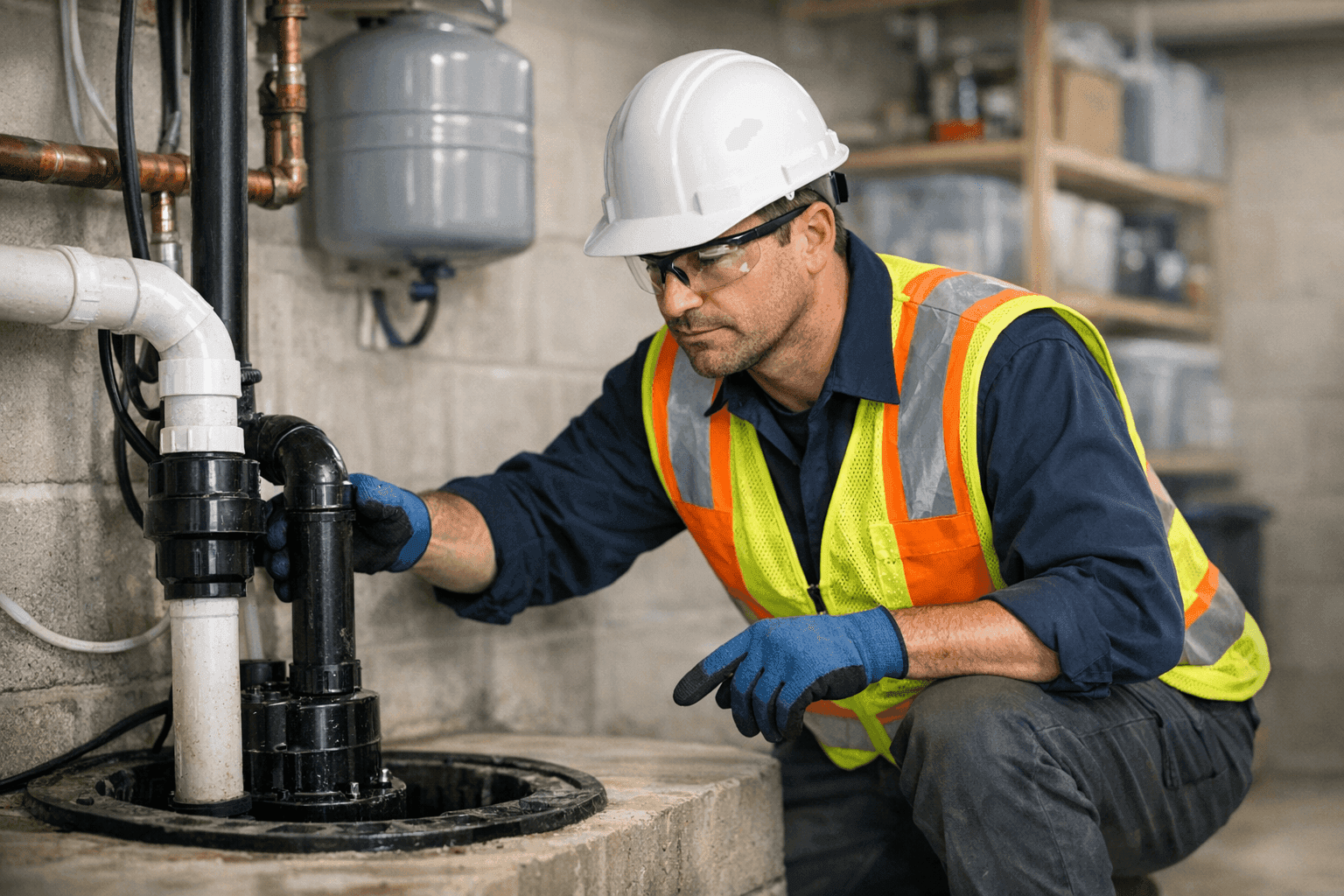
Storms and floods don’t knock politely before barging in. One moment, your home’s calm. The next, water’s everywhere—putting your plumbing to the ultimate test. At Julius La Rosa Plumbing, we know what it’s like to wake up to an unexpected leak, a sump pump sputtering, or a toilet that just won’t flush.
Plumbing isn’t just about pipes and drains—it’s about protecting your sanctuary. Storm prep can mean the difference between a minor inconvenience and a major disaster. Let’s break down what you need to know to shield your home when Mother Nature shows her power.
Why Storm Prep Is Critical 🌧️
When a big storm’s on the horizon, homeowners rush to board up windows and stock up on essentials. But what about your plumbing? Ignoring it can invite more than just puddles on the floor. Floodwater brings pressure and debris, overwhelming drains and pipes. Even the best plumbing systems can get caught off guard.
The National Flood Insurance Program reports that just one inch of floodwater can cause thousands in damage. Water finds every weakness—cracks, loose joints, old valves. Add in the sudden demand on sump pumps and sewer lines, and you’ve got a recipe for trouble.
Common Storm-Related Plumbing Risks
Storms can turn small plumbing issues into big headaches. Here’s what to watch for:
- Sump pump failure: Heavy rain overwhelms pumps, causing basement flooding.
- Sewer backups: City systems overflow, sending sewage up through your drains.
- Clogged drains: Debris and mud block pipes, leading to slow or standing water.
- Pipe bursts: Sudden changes in water pressure can split old or corroded pipes.
- Gas leaks: Floods can shift lines or damage fittings.
These problems aren’t just inconvenient—they’re dangerous. Contaminated water, mold, and property damage can follow quickly.
Steps to Protect Your Plumbing
A few simple steps can help keep your plumbing strong through the storm:
- Inspect sump pumps and backup power: Make sure your pump runs smoothly and consider a battery backup.
- Clear gutters and downspouts: Remove leaves and debris so water flows away from your home.
- Check for leaks: Tighten any loose fittings under sinks and around toilets.
- Install backflow prevention devices: These can stop sewage from backing up into your home.
- Test shutoff valves: You should be able to turn off the water quickly if needed.
- Elevate appliances: Move water heaters and laundry machines above potential flood lines if possible.
Don’t forget to secure outdoor taps, too. Disconnect hoses and insulate any exposed pipes.
Sump Pump Maintenance: Your Basement’s First Line of Defense
The sump pump is the unsung hero during a flood. It works quietly—until the rain comes, and then it’s your best friend. But it won’t do you any good if it’s clogged, broken, or powerless.
- Test your pump at least twice a year.
- Clear debris from the pit.
- Make sure the float switch moves freely.
- Consider installing a water alarm for early warnings.
- Have a professional check older pumps or if you notice strange noises or slow drainage.
If you’re not sure your sump pump is up to the task, see our sump pump repair guide for key warning signs and solutions.
Emergency Plumbing: When Fast Action Matters
Sometimes, prevention isn’t enough. Pipes burst, drains back up, and water spreads fast. That’s when every second counts. Shut off the main water valve at the first sign of trouble. Move valuables and electronics out of harm’s way.
Don’t try to handle contaminated water or sewage yourself—it’s a job for professional gear and know-how. If you’re in a situation where you need rapid, safe help, you can find local support in Rapid City and surrounding areas.
Know the Warning Signs Before It’s Too Late
Storms send signals before disaster strikes. Don’t ignore:
- Gurgling drains or toilets
- Slow-emptying sinks or tubs
- Water pooling in the basement
- Musty odors near drains
- Unusual noises from pipes or sump pumps
Acting early can save your plumbing—and your sanity.
What to Do After the Storm Clears
Once the skies brighten, your work isn’t over. Floodwater can leave hidden damage behind. Here’s what to inspect:
- Check all visible pipes for leaks or cracks.
- Look for water stains on walls and ceilings.
- Test every faucet and fixture for proper pressure.
- Inspect your sump pump and pit for debris.
- Flush toilets and run taps to clear sediment.
- Listen for odd sounds in your plumbing.
If you suspect gas leaks, leave your home and call authorities immediately. Never try to fix a gas issue yourself.
DIY or Call a Professional?
Some tasks are safe for a handy homeowner: clearing gutters, testing the sump pump, checking visible pipes for leaks. But when it comes to sewage, gas lines, or major leaks, it’s safer to let qualified plumbers handle it. According to the International Plumbing Code, certain repairs—like backflow prevention and gas safety checks—should only be performed by certified professionals.
Materials and Tools That Make a Difference
A few basic tools can help you weather most storms:
- Flashlight (with extra batteries)
- Adjustable wrench for shutoff valves
- Plunger and drain snake
- Heavy-duty gloves
- Wet/dry vacuum (for minor water cleanups)
For bigger jobs—pipe repairs, sewer line inspection, or water heater issues—always call in the right help.
Costs, Time, and What to Expect
Storm damage can be unpredictable. Minor fixes—like clearing a blocked drain—might take under an hour. Major repairs, such as repiping or sewer line replacement, could take a day or more. Costs vary widely depending on the issue and materials. Insurance may cover some storm-related damages, so keep records and photos of any problems for your claim.
Preventative Maintenance: Your Best Investment
The best time to act is before the storm hits. Schedule annual plumbing checkups and clean your drains regularly. Test sump pumps and make sure your backflow devices are up to code. Regular maintenance can be the difference between a quick mop-up and a flooded basement.
Seasonal Considerations and Local Factors
Storm patterns shift with the seasons. Spring and summer bring heavy rains, while winter can trigger frozen pipes and sudden thaws. Check local building codes and recommendations from organizations like the American Society of Plumbing Engineers for best practices in your region.
Homeowners in flood-prone neighborhoods should review FEMA and EPA guidelines on flood preparation and water safety. Even if you’re not in a high-risk area, unexpected storms can strike anywhere.
Common Mistakes to Avoid
- Waiting until the last minute to check your plumbing
- Ignoring small leaks or running toilets
- Forgetting to test the sump pump
- Failing to learn where your main water shutoff is
- Skipping annual inspections
A little preparation now goes a long way when nature turns wild.
Final Thoughts: Secure Your Plumbing, Protect Your Home
A storm doesn’t have to spell disaster for your home’s plumbing. With preparation, smart maintenance, and quick action, you can keep water where it belongs—and avoid unwelcome surprises.
Call Julius La Rosa Plumbing now — or reach us anytime at 855-598-5280 .