How to Prepare Your Plumbing for Spring Thaw
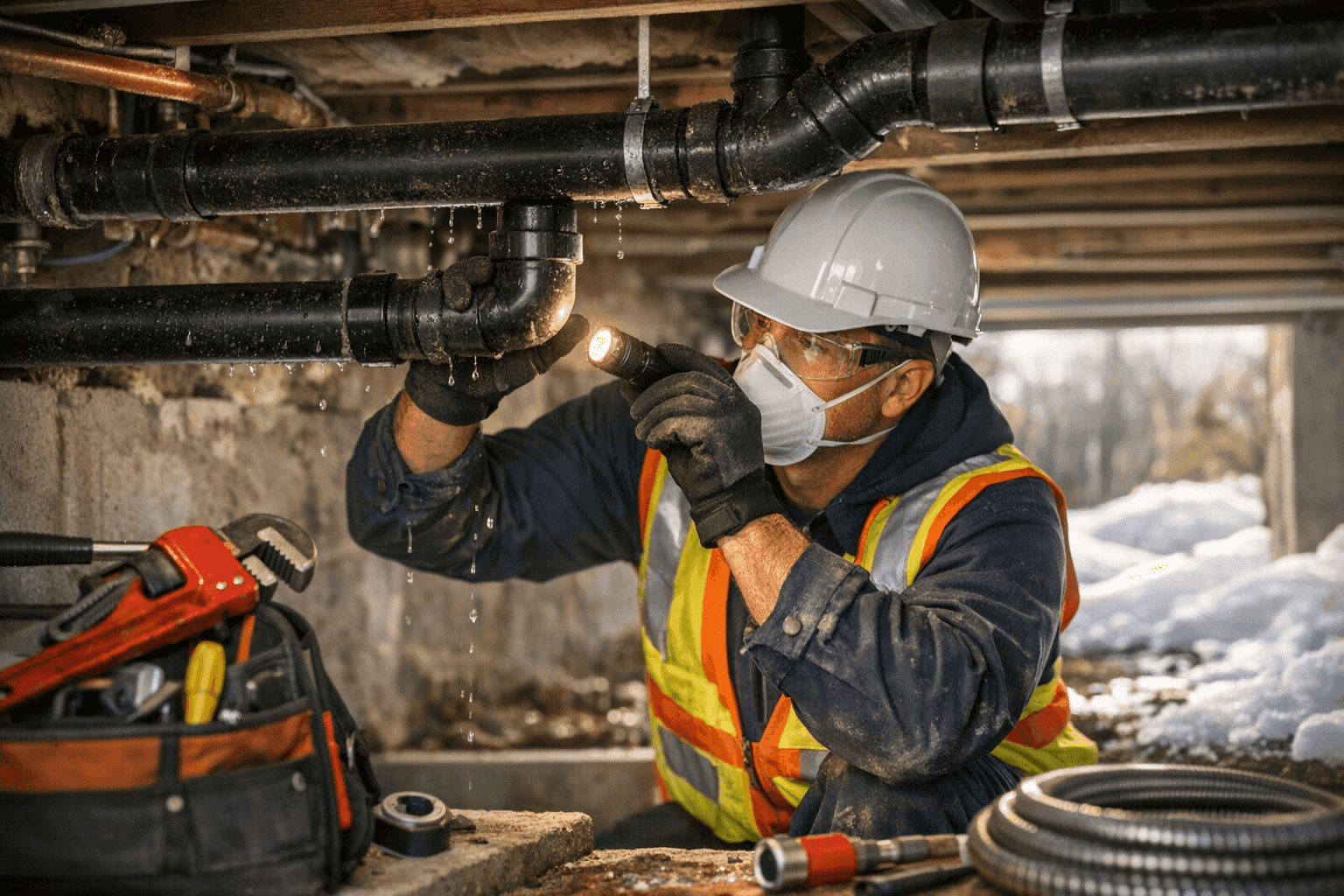
Every year, as winter loosens its grip and the ice melts away, homeowners face a new set of plumbing challenges. The spring thaw can be a silent troublemaker—causing leaks, bursts, and unexpected water damage just as you’re ready to enjoy warmer days.
At Julius La Rosa Plumbing, we understand the headaches that come with seasonal changes. Preparing your home’s plumbing for spring is about more than just avoiding soggy carpets or a chilly morning shower—it’s about protecting your investment and your peace of mind.
Why Spring Thaw Affects Plumbing 🧊
When the ground thaws, it’s like shaking a snow globe and watching everything settle in new places. Pipes that were frozen and brittle all winter suddenly face a rush of water as ice melts. This rapid change in temperature and pressure can reveal weak spots—like cracks or joints that held together by a thread.
Water from melting snow and rain can also seep into the soil, shifting foundations and putting added pressure on underground pipes. According to the International Plumbing Code, even small movements can lead to leaks or misalignments that might go unnoticed until bigger problems erupt.
Steps to Prepare Plumbing for Spring
A little preparation now can save a flood of trouble later. Here’s how to get your plumbing ready for the season:
- Inspect exposed pipes: Look for rust, bulges, or tiny leaks. These are warning signs that winter was tough on your plumbing.
- Check outdoor faucets: Turn them on slowly and watch for drips or weak flow, which could signal a cracked pipe.
- Clear gutters and downspouts: Blocked drains can force water back toward your home, putting extra stress on the plumbing.
- Test sump pumps: Pour a bucket of water into the pit to make sure the pump kicks on and drains properly.
- Flush and drain water heaters: Sediment builds up over winter, reducing efficiency and risking corrosion.
- Schedule preventative maintenance: A professional inspection can catch hidden issues before they become emergencies.
Signs of Winter Damage
Like footprints in fresh snow, the signs of winter damage can be subtle but telling. Watch for:
- Unusual water bills: A sudden spike may mean a hidden leak.
- Low water pressure: Often a sign of a cracked or clogged pipe.
- Stains or damp spots: Water marks on ceilings or walls can point to slow leaks.
- Noisy pipes: Banging or gurgling sounds sometimes mean air has entered the system through cracks.
- Persistent clogs: If drains are sluggish even after cleaning, the problem may be deeper in the line.
These clues are your home’s way of whispering for help. Catching them early is key.
Common Spring Plumbing Mistakes
It’s easy to overlook the little things when the weather finally warms up. But skipping these steps can lead to costly repairs:
- Ignoring small drips: Even a tiny leak can turn into a major headache.
- Delaying repairs: Waiting until summer can make problems worse—and more expensive.
- DIY gone wrong: Some fixes, like pipe patching, are best left to trained hands.
- Forgetting outdoor systems: Sprinklers and hose bibs need checks too, not just indoor pipes.
- Neglecting backflow prevention: Spring rains can overwhelm systems, causing contaminated water to flow backward into your home.
Quick Safety Checklist for Spring Plumbing
Before you fire up the garden hose or fill the bathtub, run through this safety checklist:
- Shut off the main water valve if you spot a leak.
- Use gloves and eye protection when inspecting pipes in crawl spaces or basements.
- Make sure all family members know where shutoff valves are located.
- Keep emergency numbers handy—including your trusted plumber.
- Never attempt gas line repairs yourself; always call a professional.
Prevention & Maintenance: Your Plumbing’s Spring Shield
Think of preventative maintenance as a raincoat for your home’s plumbing. It doesn’t stop the weather, but it keeps you dry when storms hit. Regular checkups help prevent plumbing issues from becoming full-blown disasters.
Scheduling seasonal pipe repair or maintenance can address small cracks, worn seals, or corroded joints before they fail. It’s a smart move, especially after a harsh winter.
DIY vs. Call a Pro
Some jobs are safe for a Saturday afternoon. Others need a practiced hand.
DIY:
- Replacing faucet washers
- Unclogging minor drains
- Insulating exposed pipes
Call a Pro:
- Fixing burst or cracked pipes
- Sewer line inspection
- Gas line work
- Major leak detection
If you’re ever unsure, err on the side of caution. Water and gas are not forgiving teachers.
What Pros Do On Arrival
When a Julius La Rosa Plumbing technician arrives, it’s not just about tools and wrenches. We listen to your concerns, examine the entire system, and follow local building codes for safety. Our team uses advanced leak detection equipment, inspects hidden pipes, and checks water pressure at multiple points.
We also look for signs of code violations or aging materials that could compromise your home’s safety. Our goal: leave your plumbing stronger than we found it.
Costs & Time Factors
Spring repairs can range from quick fixes to more involved projects. Simple leak repairs may take an hour, while replacing a section of pipe could take a day. Costs depend on the complexity and materials needed—copper, PEX, and PVC all have different price tags.
Preventative maintenance is usually less expensive than emergency repairs. Think of it as an investment—like changing the oil in your car.
When It’s an Emergency 🚨
Some plumbing problems can’t wait. Call immediately if you notice:
- Water gushing from pipes or fixtures
- The smell of gas near appliances
- Sewage backing up into sinks or tubs
- Flooding in the basement
Fast action can minimize damage and keep your family safe. If you’re in need of Cleveland Heights plumbing, help is available day or night.
Timeline & Disruption: What to Expect
Most spring plumbing prep can be done in a single visit. Major repairs—like replacing a burst pipe or installing a new water heater—may require more time. We’ll always let you know what to expect, so you can plan your day.
During repairs, water may need to be shut off for a short time. Our technicians work efficiently to minimize disruption.
Materials & Equipment
Modern plumbing uses a mix of materials—copper for durability, PEX for flexibility, PVC for drains. Each has its strengths and weaknesses. Professional plumbers carry specialized tools, from pipe cutters to inspection cameras, to handle any situation.
We also use EPA-recommended products for water filtration and backflow prevention, ensuring your home stays safe and up to code.
Seasonal Considerations: The Spring Plumbing Checklist
Every season brings its own challenges. In spring, focus on:
- Checking for freeze-thaw damage
- Testing sump pumps before heavy rains
- Inspecting sewer lines for blockages
- Cleaning out yard drains and gutters
- Scheduling annual plumbing maintenance
Staying ahead of the weather keeps your plumbing running smoothly all year long.
Frequently Asked Questions
Q: How do I know if my pipes froze over the winter?
A: Look for slow water flow, bulging pipes, or damp spots. If you suspect a problem, turn off the water and call a plumber.
Q: Is it safe to use chemical drain cleaners?
A: Most professionals recommend against them. They can damage pipes and harm the environment. Try a plunger or call for help.
Q: How often should I schedule plumbing maintenance?
A: At least once a year, ideally before spring or fall. Regular checks catch small problems early.
When to Call a Professional
Don’t wait for a drip to become a deluge. If you spot any warning signs or want peace of mind before spring, schedule a visit with Julius La Rosa Plumbing. Our team is trained to spot issues that others might miss, and we’re always ready to help with seasonal plumbing care.
If you’re looking to prevent plumbing issues, our preventative maintenance services are designed for homeowners who want to stay a step ahead of the weather.
Call Julius La Rosa Plumbing now — or reach us anytime at 855-598-5280 .