How to Maintain Your Water Heater for Maximum Efficiency
Is your shower running cold just when you need it most? Maybe your water heater is working overtime, but you’re still not getting that satisfying warmth. Every homeowner knows the sinking feeling that comes with unreliable hot water.
At Julius La Rosa Plumbing, we understand how vital a well-maintained water heater is for comfort, health, and peace of mind. A few simple habits can boost efficiency, lower energy bills, and extend your heater’s life—no headaches required.
Why Water Heater Maintenance Matters
Water heaters are like the heart of your home’s plumbing. Ignore them, and you risk more than a chilly shower. Sediment buildup, rust, or faulty parts can lead to leaks, wasted energy, or even dangerous situations. A little regular care means fewer surprises and a lot more reliable hot water.
Quick Safety Checklist Before You Start 🛑
- Always turn off power at the breaker for electric units, or set the gas to “pilot” for gas models.
- Wait for the tank to cool before touching valves or draining.
- Wear gloves and safety glasses—hot water and steam can cause burns.
- Make sure your tools are dry and in good condition.
- Keep kids and pets away from the work area.
Refer to your manufacturer’s instructions and local codes (such as the International Residential Code and ASME standards) whenever you’re in doubt.
Flushing the Tank: Out with the Old, In with the Efficient
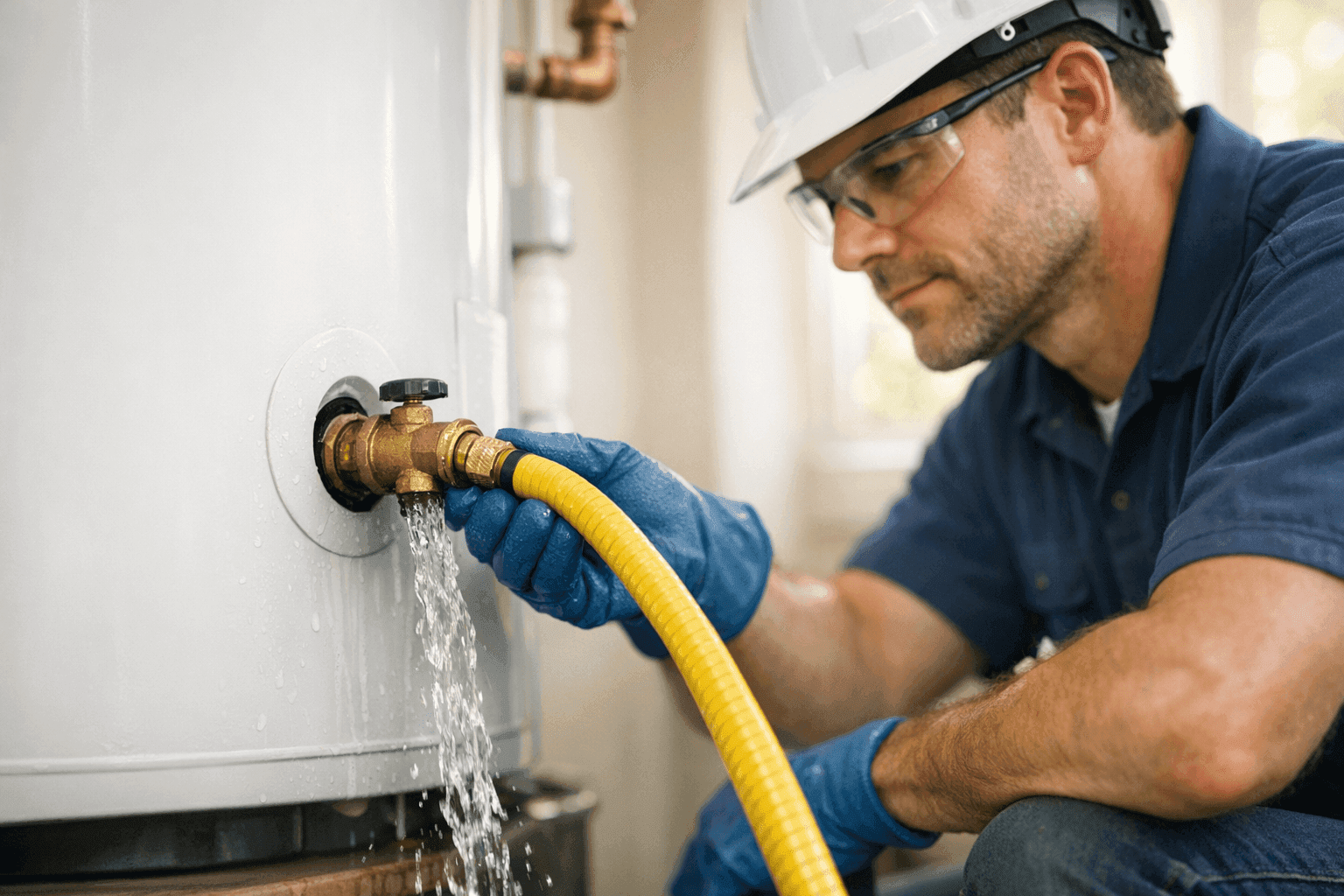
Sediment is the enemy of efficiency. Over time, minerals settle at the bottom of your tank, making your heater work harder and shortening its lifespan. Flushing gets rid of this gunk.
How to flush:
- Turn off power/gas and let the tank cool.
- Connect a garden hose to the drain valve at the bottom.
- Run the hose to a drain or outside.
- Open the drain valve and let water flow until clear.
- Close the valve, remove the hose, and refill the tank.
Do this once a year, or more often in areas with hard water. It’s a simple step that can mean the difference between lukewarm and luxurious showers.
Checking the Anode Rod: Your Tank’s Hidden Defender
Think of the anode rod as your heater’s sacrificial shield. It attracts corrosive minerals, protecting the tank from rust. But over time, it wears out.
Steps:
- Power off the heater and let it cool.
- Find the anode rod on top of the tank—usually a hex bolt.
- Unscrew it using a socket wrench.
- If the rod is less than ½ inch thick or coated in calcium, it’s time for a replacement.
Replace every 3–5 years, or sooner if your water is particularly hard. This small part can add years to your water heater’s life.
Inspecting Pressure Relief and Drain Valves
Safety valves prevent explosions and leaks. If they’re faulty, you could face serious trouble.
Pressure relief valve:
- Lift the lever gently. You should hear a short rush of air or see some water exit.
- If nothing happens, or water keeps flowing, replace the valve.
Drain valve:
- Check for leaks and ensure it opens/closes smoothly.
- Replace if it drips or is hard to turn.
Annual checks keep your system safe and your basement dry.
Setting a Safe and Efficient Temperature 🌡️
Too hot, and you risk scalding. Too cold, and bacteria like Legionella can grow. The sweet spot is usually 120°F (49°C), as recommended by the U.S. Department of Energy.
How to adjust:
- Find the thermostat dial (usually behind a panel).
- Use a flathead screwdriver to set the temperature to 120°F.
- Wait a few hours, then test at a faucet.
Proper temperature saves energy and keeps your family safe.
Leak Checks: Small Drips, Big Problems
A few drops can add up to gallons over time. Inspect around the base of your heater, pipes, and heating elements for signs of moisture or rust stains.
- Tighten loose fittings.
- Replace worn washers or seals.
- If you spot a steady leak, turn off the water and call for plumbing help.
Early leak detection can prevent water damage and costly repairs.
Signs Your Water Heater Needs Attention
Your water heater speaks up when it’s struggling. Listen for these warning signs:
- Rumbling or popping noises (sediment buildup)
- Rusty or cloudy water
- Water that doesn’t get as hot as it used to
- Frequent pilot light outages (gas units)
- Leaking around the tank base
If you notice any of these, act quickly. Sometimes a simple fix solves the problem. Other times, it’s a sign your unit is nearing the end of its life.
When It’s Time for Replacement
Water heaters don’t last forever. Most tank models last 8–12 years. If yours is older, breaks down often, or you see rust in your hot water, replacement is the smart move.
Upgrading to a new, energy-efficient model can lower utility bills and provide more consistent hot water. If you’re unsure, Julius La Rosa Plumbing can help assess your needs and recommend a solution.
DIY vs. Pro: When to Call in the Experts
While many homeowners can handle basic maintenance, some jobs—like gas line adjustments, internal tank repairs, or complex leaks—are best left to licensed plumbers.
- Gas leaks: Always a job for a professional.
- Major leaks or flooding: Shut off water and call immediately.
- Electrical issues: Don’t risk a shock.
For reliable, safe plumbing help—including Garbage Disposal Repair near you—make sure you work with a qualified team.
How the Pros Approach Water Heater Service
When you call a licensed plumber, here’s what to expect:
- Full inspection of the tank, valves, and connections
- Testing of the thermostat and heating elements
- Leak checks and water pressure evaluation
- Recommendations based on code, safety, and your home’s needs
Professional service keeps your system running efficiently and safely.
Preventative Maintenance: The Yearly Routine
Just like a car needs oil changes, your water heater needs a yearly checkup.
- Flush the tank
- Inspect the anode rod
- Test safety valves
- Check temperature settings
- Look for leaks and corrosion
A simple calendar reminder can save you stress and money down the road.
Common Mistakes Homeowners Make
- Forgetting to turn off power or gas before starting maintenance
- Ignoring the anode rod until it’s too late
- Setting the temperature too high (risking burns and higher bills)
- Skipping annual maintenance, leading to hidden problems
Avoiding these missteps means fewer surprises and longer-lasting equipment.
Costs, Time, and What to Expect
Most maintenance tasks take an hour or less and cost little more than time and a few basic tools. Replacement parts like anode rods or valves are affordable and available at most hardware stores.
Full tank replacement or major repairs are bigger projects—budget for a few hours and professional help.
Emergency? What to Do Next
If your water heater is leaking heavily, making alarming noises, or emitting a gas smell, act fast:
- Turn off water and power/gas.
- Clear the area.
- Call a plumber.
For those in the region, quick support is also available through our Casper service page.
Seasonal Tips and Considerations 🍂
- Before winter, check that pipes and the tank are insulated to prevent freezing.
- In spring, flush the tank to remove any buildup from winter use.
- If you’re heading out of town, set your heater to “vacation” mode to save energy.
Adjust your routine to the seasons for best results.
FAQ: Water Heater Maintenance Myths
Q: Will setting my heater hotter kill all germs?
A: 120°F is hot enough for most homes and avoids scalding risk.
Q: Does a noisy tank mean it’s failing?
A: Not always. Often it’s sediment. Try flushing before worrying.
Q: Should I replace my heater if it’s over 10 years old?
A: If it’s working well and not leaking, keep up the maintenance. If not, plan for replacement soon.
Final Thoughts: Reliable Hot Water Starts Here
Caring for your water heater is simple, but the benefits are big—hotter showers, fewer surprises, and real savings on energy bills. Regular maintenance means your plumbing works when you need it, without a second thought.
Call Julius La Rosa Plumbing now — or reach us anytime at 855-598-5280 .