How to Maintain and Repair Your Home’s Bathtub Plumbing
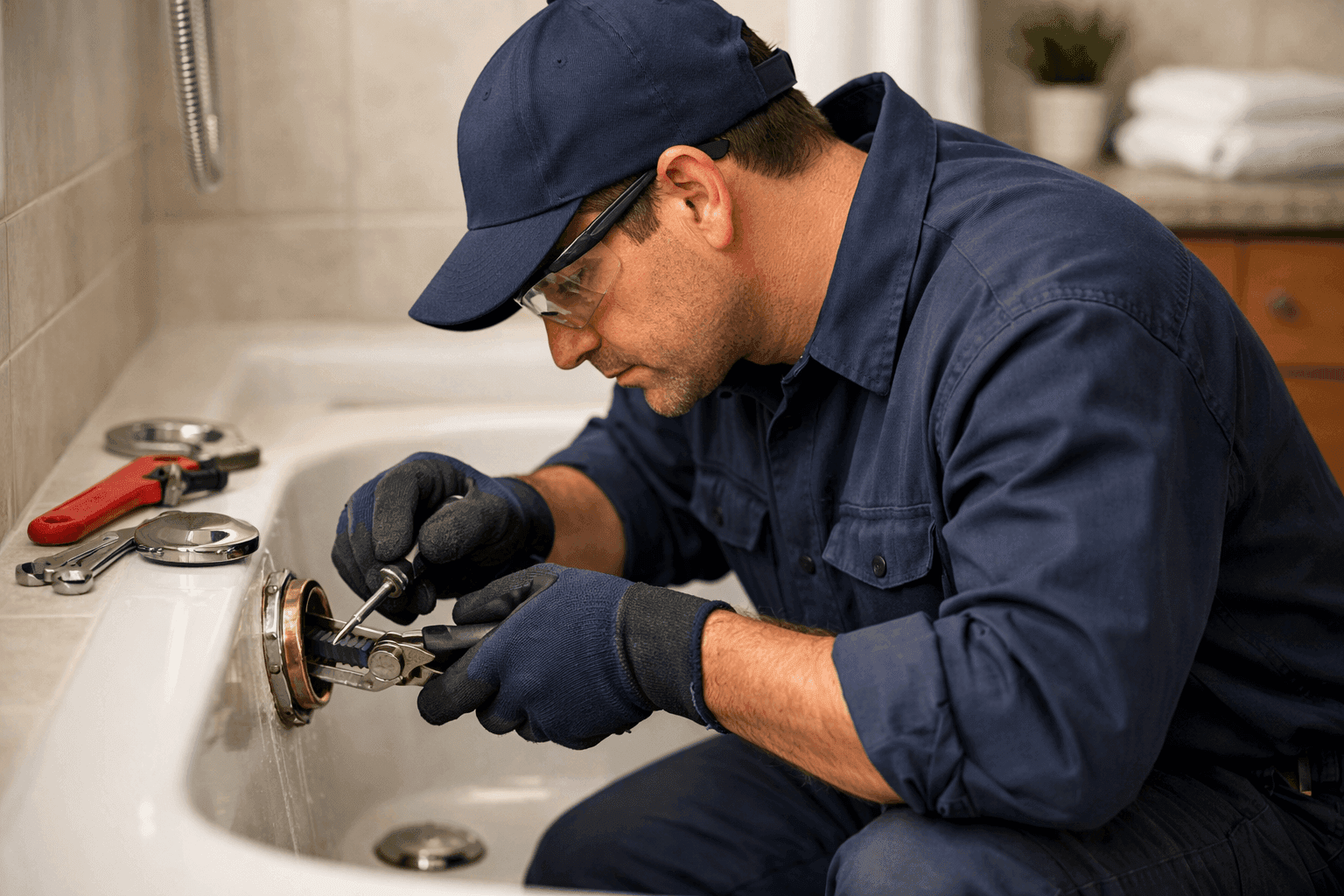
Bathtub plumbing is one of those things you rarely think about—until something goes wrong. A slow drain, a leaky faucet, or strange noises can turn your peaceful soak into a stressful scramble for towels and tools.
At Julius La Rosa Plumbing, we know that a well-functioning bathtub is essential for comfort and peace of mind. Whether you’re dealing with a pesky drip or a stubborn clog, understanding how your tub’s plumbing works can save you hassle, money, and maybe even your Saturday afternoon.
Why Tub Plumbing Needs Care 🛁
Your bathtub’s plumbing is like the silent engine beneath the hood. Out of sight, but always at work. Pipes, drains, and fixtures brave gallons of water, hair, soap, and more every single day. Over time, even a small issue can snowball—turning a drip into a flood or a slow drain into a full-blown backup.
Neglecting tub plumbing doesn’t just threaten your comfort. It can lead to water damage, mold, and rising repair costs. According to the International Association of Certified Home Inspectors (InterNACHI), unchecked leaks can add hundreds of dollars to your water bill and even compromise your home’s structure.
Bathtub Plumbing Maintenance Tips
A little attention goes a long way. Here are practical steps to keep your tub’s plumbing in top shape:
- Run hot water weekly: Flush your drain with hot (not boiling) water to loosen soap scum and buildup.
- Clean the stopper: Hair and lint love to hide here. Remove and rinse your stopper every month.
- Use a drain strainer: This inexpensive guard keeps hair and debris out of your pipes.
- Watch what goes down: Avoid pouring oils, paint, or chemicals into your tub or drain.
- Check caulking: Inspect the caulk around your tub for cracks or gaps every few months. Reseal as needed to prevent water from sneaking behind walls.
Simple habits like these can head off bigger headaches and extend the life of your plumbing.
DIY Repair for Leaks and Clogs
Some bathtub issues are within reach—no pro required.
Leaky Faucet
- Turn off the water: Look for the shutoff valve beneath the sink or near the tub.
- Remove the handle: Most handles pop off with a screwdriver.
- Replace the washer or cartridge: Worn washers are a common culprit. Bring the old one to the hardware store to match.
- Reassemble and test: Turn water back on and check for drips.
Slow or Clogged Drain
- Use a plunger: Add a little water to cover the plunger’s bell, then plunge with short, sharp thrusts.
- Try a zip tool: These flexible plastic tools are great for fishing out hair clogs.
- Avoid harsh chemicals: Liquid drain cleaners can corrode pipes over time.
If you’re battling frequent clogs, it may be time for professional drain cleaning—especially if the problem keeps coming back.
Signs of Trouble You Shouldn’t Ignore
- Water stains or dampness around the tub or floor
- Persistent dripping from the faucet or spout
- Slow draining even after clearing visible debris
- Unpleasant odors—a sign of hidden buildup or sewer gas
- Gurgling or bubbling noises from the drain
Small warning signs can point to bigger problems lurking behind walls or under floors.
How Bathtub Plumbing Works
Understanding the basics can help you spot problems early. Your tub’s plumbing includes:
- Supply lines: Bring hot and cold water to your faucet and shower.
- Drain system: Carries used water away, usually through a P-trap that blocks sewer gases.
- Overflow drain: Prevents water from filling too high and spilling onto your floor.
- Vent pipes: Allow air in, so water drains smoothly.
Faulty connections, cracked pipes, or worn seals in any of these places can cause leaks or backups.
What to Do When a Bathtub Leak Appears
The moment you spot a leak, act fast:
- Shut off the water at the source—or at the main, if needed.
- Contain the water with towels or a bucket.
- Document visible damage with photos for insurance.
- Check nearby rooms and ceilings for signs of water intrusion.
Early action can limit costly repairs and prevent mold from taking hold.
Common Mistakes to Avoid
- Overtightening connections: Can crack plastic fittings or strip threads.
- Ignoring small leaks: Even a tiny drip can escalate.
- Using chemical drain cleaners excessively: Leads to pipe corrosion.
- Trying to force fixtures: If something won’t come loose, stop and reassess.
Sometimes, patience and the right tool are better than brute strength.
Quick Safety Checklist for DIYers
- Turn off water supply before starting repairs.
- Unplug electrical devices nearby.
- Wear gloves to protect hands from sharp parts.
- Use a flashlight for better visibility under the tub.
- Consult your local plumbing code if you’re replacing pipes or fixtures. The Uniform Plumbing Code (UPC) is a good reference.
If you’re ever unsure, don’t hesitate to pause and seek advice from a professional.
When to Call for Help
Some jobs are best left to those with the right tools and training. Call a plumber if you notice:
- Leaks behind walls or under floors (may need pipe repair or repiping)
- Recurring clogs that resist plunging and snaking
- Signs of mold or mildew
- Water pressure problems affecting multiple fixtures
- Unusual noises or vibrations in pipes
If you’re looking for a one-stop solution for all your tub and bathroom plumbing needs, learn more at bathroom plumbing services.
What a Plumber Does When They Arrive
When you call in a pro, here’s what to expect:
- Inspection: A thorough check of pipes, drains, and fixtures.
- Leak detection: Using specialized tools, they’ll pinpoint hidden leaks.
- Testing: Ensuring all repairs meet safety and building codes.
- Cleanup: A reputable plumber leaves your bathroom as tidy as they found it.
The right approach saves you both time and stress.
Timeline, Costs, & Disruption
Minor repairs like replacing a washer or clearing a clog can take under an hour. More involved jobs—replacing pipes, fixing hidden leaks—may require a few hours or more. Costs vary depending on the complexity and parts needed.
Always ask for an estimate before work begins. If water has caused damage to floors or walls, be prepared for additional repairs.
Bathtub Plumbing and Water Quality
Your tub is only as good as the water flowing through it. If you notice discoloration, odors, or sediment, consider adding a water filtration system. These can extend the life of your plumbing and fixtures. Refer to guidance from the Environmental Protection Agency (EPA) for information on safe water standards.
Preventing Bathtub Plumbing Problems
A little prevention goes a long way. Here’s what works:
- Monthly drain checks: Remove hair or debris before it builds up.
- Annual inspection: Have a plumber check supply lines and drains each year for wear.
- Seasonal care: In cold climates, insulate pipes to prevent freezing and bursts.
Seasonal Considerations
Winter brings the risk of frozen pipes—especially in older homes or those with tubs on exterior walls. On cold nights, let a trickle of water run and keep bathroom cabinets open to let warm air in. Summer humidity, meanwhile, can encourage mold if leaks aren’t caught quickly.
For residents in northern regions, help is available—see local support options in Burlington and surrounding areas.
Bathtub Plumbing FAQ
Q: Can I use my tub if the faucet drips?
A: You can, but a drip wastes water and could signal a bigger issue. Schedule a repair soon.
Q: Are all tub clogs caused by hair?
A: Not always. Soap scum, mineral deposits, and debris all play a part.
Q: Is it safe to use boiling water to clear a drain?
A: No. Boiling water can damage pipes, especially PVC. Use hot tap water instead.
Q: How often should I check my tub for leaks?
A: Give your tub a quick look every month, especially after heavy use or if you notice a change in water pressure.
Final Thoughts
A well-maintained bathtub makes life easier—and your home healthier. With a few simple habits and a watchful eye, you can prevent most plumbing headaches. But if you run into trouble you can’t tackle alone, know that Julius La Rosa Plumbing is here to help.
Call Julius La Rosa Plumbing now — or reach us anytime at 855-598-5280 .