How to Maintain Your Home’s Sump Pump
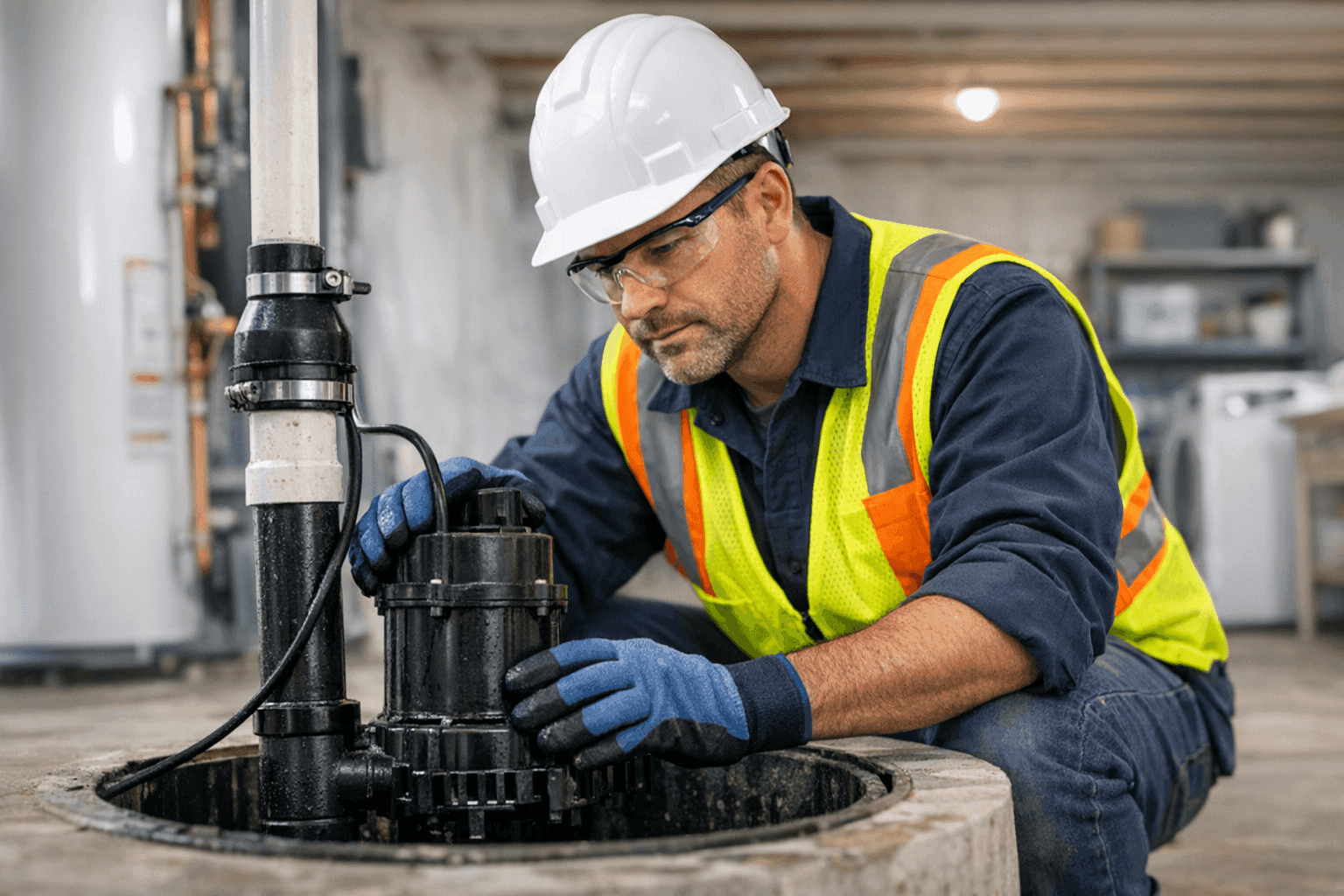
When heavy rain pounds down and water sneaks toward your basement, your sump pump is often the quiet hero standing between you and a costly flood. But like any hardworking machine, it needs routine care to stay reliable.
Neglecting sump pump maintenance can leave you vulnerable, especially during storm season. With the right steps and a little know-how, you can keep water out—and confidence in.
Why Sump Pump Maintenance Matters ⚡
Imagine your home as a ship in a storm. The sump pump is your bilge pump—constantly working to keep the lower decks (your basement) dry. If it fails, you’re not just facing a puddle. You’re risking water damage, mold, ruined keepsakes, and expensive repairs.
According to the International Association of Certified Home Inspectors, more than 60% of American homes experience below-ground wetness. Regular sump pump checks can mean the difference between a dry basement and a disaster.
What Can Go Wrong If You Skip Maintenance?
- Basement flooding
- Mold and mildew growth
- Structural damage to flooring or walls
- Damaged electrical systems
- Loss of valuable possessions
A little attention goes a long way. Let’s break down exactly how to give your sump pump the care it deserves.
Routine Sump Pump Checks
Routine checkups for your sump pump are like oil changes for your car: essential, quick, and often overlooked. Here’s what you can do:
- Monthly: Pour a bucket of water into the sump pit. The pump should activate promptly and drain the water. If not, it’s time to investigate.
- Quarterly: Unplug the pump and inspect for debris. Clear away any mud, gravel, or small objects in the pit.
- Annually: Remove the pump and clean the grate or screen at the bottom. Check the discharge line outside to ensure it’s clear and not frozen or clogged.
Always keep the area around your sump pit clean and dry. Don’t store boxes, paint cans, or tools nearby—these can fall in and cause jams.
Signs of Sump Pump Failure
Sometimes, a sump pump gives subtle hints when it’s struggling. Other times, it shouts. Watch for these signs:
- Strange noises: Grinding, rattling, or thumping sounds can signal worn or jammed parts.
- Runs nonstop: If your pump refuses to shut off, the float switch may be stuck or the unit is undersized for your needs.
- Short-cycling: Turning on and off rapidly usually means electrical or float switch issues.
- Visible rust or corrosion: This can damage moving parts and electrical connections.
- No power when needed: If it doesn’t turn on during a test, check the outlet and circuit, then call for help.
If you spot any of these, consider scheduling a professional sump pump repair to prevent small issues from becoming expensive headaches.
Quick Safety Checklist 🛠️
Before you roll up your sleeves, safety first:
- Unplug the pump before inspecting or cleaning.
- Wear gloves—standing water can hide sharp debris or bacteria.
- Never wade into water if you suspect electrical hazards.
- Confirm your pump is plugged into a GFCI-protected outlet (as recommended by OSHA and the National Electrical Code).
Small steps like these keep you and your home safe.
DIY vs. When to Call a Pro
Some tasks are safe for homeowners; others belong in the hands of a licensed plumber. Here’s a quick guide:
DIY-friendly:
- Testing the pump with water
- Cleaning debris from the pit
- Checking the outlet and circuit breaker
Call a professional if:
- The pump doesn’t run during tests
- There’s visible damage or corrosion
- You notice persistent odors (could signal bacteria or mold)
- The discharge line is blocked and you can’t clear it
If your sump pit smells musty or you see standing water after a rain, don’t risk it. Contact a plumber for a full inspection.
What Pros Do On Arrival
When you schedule a visit for sump pump issues, here’s what plumbers like Julius La Rosa Plumbing look for:
- Inspect the pump for mechanical wear or electrical problems
- Test the float switch and backup systems
- Check discharge and vent lines for blockages
- Ensure the check valve is working as intended
- Offer advice on upgrades or replacement if your pump is nearing its end
A professional inspection is thorough, efficient, and follows all local safety codes.
Prevention & Maintenance Tips
Want your sump pump to last longer? Treat it well:
- Install a backup battery or water-powered backup: Power outages and pump failures often go hand-in-hand during storms.
- Install a high-water alarm: Alerts you if the water in the pit rises too high.
- Keep the lid on: Prevents debris and pests from falling in.
- Add regular preventative maintenance to your home care routine.
Taking these small steps now can mean fewer surprises later.
Costs & Time Factors
Sump pump maintenance is a low-cost investment. A typical professional inspection or cleaning can be completed in under an hour. But waiting until failure can mean replacing flooring, drywall, or even foundation repairs—costing thousands.
Routine care is a bit like brushing your teeth. It’s fast and easy, but skipping it can lead to big problems.
When It’s an Emergency
If your sump pump fails during a storm and water is rising, act fast:
- Unplug electrical devices in the basement.
- Move valuable items off the floor.
- Call an emergency plumber immediately.
For those in the area, local support is available whenever you need help fast.
Seasonal Considerations 🌧️
Spring and fall bring heavy rains—and heavy use for your sump pump. Before the wet season:
- Test your pump
- Check for blockages in the discharge line
- Clear gutters and downspouts to divert water away from your foundation
Winter? Make sure discharge lines aren’t frozen or buried by snow.
Common Mistakes Homeowners Make
- Ignoring the sump pump until it fails
- Storing clutter near the sump pit
- Forgetting to test the pump after power outages
- Not installing a backup system
- Skipping annual cleaning
Avoiding these mistakes is half the battle.
Timeline & Disruption
Routine maintenance is quick. Most checks take under 30 minutes. If a repair is needed, plan for 1–2 hours. Replacement may take a half day. Skilled plumbers minimize disruption, keeping noise and mess to a minimum.
Materials & Equipment Needed
For basic checks, you’ll need:
- Gloves
- A bucket of water
- Flashlight
- Cleaning brush or rag
Pros bring specialized tools for diagnostics and repairs.
Frequently Asked Questions
How long does a sump pump last?
Most sump pumps last 7–10 years with proper maintenance.
Should I install a backup?
Yes, especially if your area is prone to storms or power outages.
Is maintenance required by code?
While not always mandated, the National Association of Home Builders and local plumbing codes recommend regular inspection.
Can I test my pump myself?
Absolutely. Pour in water and watch it work. If it fails, call a pro.
Final Thoughts: Protect Your Home From Water Damage
Your sump pump is a silent guardian. With just a few minutes each season, you can keep it in top shape and your basement dry. Don’t wait for a flood to learn the value of preventative plumbing care.
Call Julius La Rosa Plumbing now — or reach us anytime at 855-598-5280 .