How to Maintain Your Home’s Boiler for Peak Performance
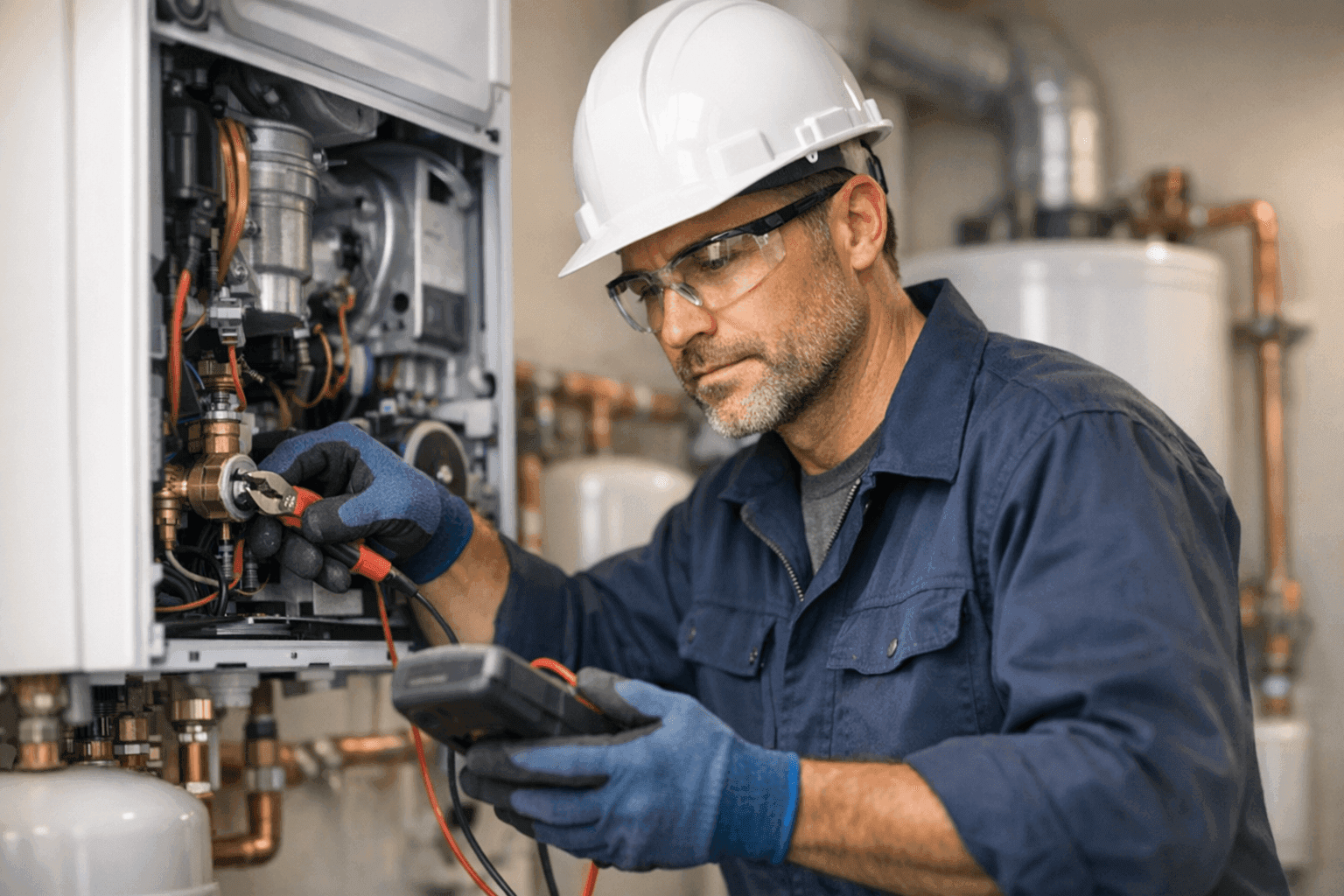
Boilers are the quiet workhorses of home comfort. When they’re running well, you hardly notice them. But the moment something goes wrong—cold showers, strange noises, or worse—your whole routine can grind to a halt. If you’ve ever bundled up in a sweater in your own living room, you know how urgent boiler troubles can feel.
At Julius La Rosa Plumbing, we know that a little care goes a long way. Simple steps now can save you expensive repairs and keep your home warm, safe, and sound. Let’s dive in.
Why Boiler Maintenance Matters 🛠️
Think of your boiler like the heart of your home’s heating. Just as a heart needs regular check-ups, so does your boiler. Without care, small issues—like mineral build-up or minor leaks—can sneak up and cause major breakdowns. The result? Higher energy bills, wasted water, and potential safety hazards.
Routine maintenance not only extends your boiler’s lifespan but also keeps it running efficiently. The U.S. Department of Energy notes that regular cleaning and inspection are key for energy savings and safety (source: energy.gov). Ignoring little problems often leads to big ones. And nobody wants a burst pipe in the dead of winter.
DIY Boiler Care Checklist
You don’t need to be a plumbing whiz to take care of your boiler. Here’s a handy checklist you can tackle once a month—or at the change of every season:
- Check the Pressure Gauge: Most home boilers work best between 1 and 2 bars. Too high or too low? Consult your manual.
- Inspect for Leaks: Look for water around the base or pipes. Any dampness should be checked right away.
- Listen for Odd Noises: Gurgling, banging, or whistling sounds aren’t normal. They often point to trapped air or mineral deposits.
- Bleed Your Radiators: If your radiators have cold spots, releasing trapped air can help. Use a radiator key and a cloth.
- Test the Thermostat: Make sure it’s working and accurately controlling the temperature.
- Clear the Area: Remove clutter around your boiler. Good airflow prevents overheating and fire hazards.
- Check Vents and Flues: Ensure nothing is blocking them—outside and inside.
If you spot anything unusual during these checks, it might be time to call for professional help.
Quick Safety Checklist
Safety always comes first. Before you do any boiler maintenance, remember:
- Turn off the power and let the boiler cool.
- Never remove protective panels unless your manual says it’s safe.
- If you smell gas or suspect a leak, leave the area immediately and call for emergency help.
For gas appliances, the National Fire Protection Association recommends annual inspections by a qualified technician to prevent carbon monoxide risks.
Signs Your Boiler Needs Attention
Don’t ignore these warning signs—they’re your boiler’s way of waving a red flag:
- Sudden drops in water pressure.
- Discolored pilot lights (orange or yellow instead of blue).
- Water pooling near the boiler.
- Repeated need to reset the system.
- Radiators not heating up.
If any of these show up, don’t wait. Small problems can snowball fast.
Common Mistakes Homeowners Make
Even with good intentions, mistakes happen. Here are some to avoid:
- Skipping annual servicing. Even if everything seems fine, hidden problems can lurk inside.
- Cranking up the pressure to “fix” heating issues—this can damage pipes and seals.
- Using chemical drain cleaners. These can corrode boiler components and pipes.
- Covering or boxing in your boiler. Restricted airflow is a recipe for overheating.
When in doubt, call a licensed plumbing professional.
When to Call for Professional Service
Some jobs are best left to those with the right training and tools. If you experience:
- Persistent leaks.
- Loss of heat or hot water.
- Unresponsive controls or error codes.
- Repeated tripped safety features.
It’s time to schedule a visit. A certified technician can safely tackle repairs and ensure your system meets local code. You can learn more about what’s involved by visiting our boiler repair service page.
What Pros Do When They Arrive
A plumbing technician brings more than a wrench. Expect a thorough inspection:
- Checking pressure and temperature settings.
- Examining the heat exchanger for corrosion or cracks.
- Flushing the system to remove debris and mineral scale.
- Testing safety valves, gas connections, and carbon monoxide levels.
- Reviewing the expansion tank and pump operation.
Professionals follow the guidelines set out by the International Association of Plumbing and Mechanical Officials (IAPMO) and local building codes for every visit.
Prevention: The Secret to Long Boiler Life
Routine care isn’t just about solving problems—it’s about preventing them. Annual professional servicing catches issues early, keeping your system efficient and safe. Consider enrolling in a preventative maintenance program to schedule these check-ups automatically.
Regular maintenance can lower your energy bills and reduce the risk of winter breakdowns. It’s peace of mind you can count on.
Costs and Time Factors
Worried about the cost? Regular maintenance is often much less expensive than major repairs or replacements. Most residential boiler tune-ups take less than two hours. Compare that to the disruption of a full system overhaul.
Small investments in upkeep can save hundreds—or even thousands—over the life of your boiler.
When It’s an Emergency
Some boiler problems can’t wait. If you lose heat in freezing weather, smell natural gas, or see water gushing from pipes, call for emergency plumbing help immediately.
If you’re nearby, our Goose Creek service area is always ready to respond quickly when urgent help is needed.
Seasonal Considerations
Before the first frost or heatwave hits, give your boiler a little extra attention:
- In fall, schedule a professional inspection to prepare for winter.
- In spring, check for signs of wear after heavy use.
- After storms, inspect for water or wind damage around outdoor vents.
A little prep helps avoid big surprises.
Timeline and Disruption: What to Expect
Most routine service visits are quick and minimally disruptive. Your technician may need access to your utility room, radiators, and thermostat. Plan for about 1-2 hours, depending on the system’s condition.
If repairs are needed, your plumber will explain the next steps and estimated time.
Materials and Equipment: What’s Used
Professionals use:
- Pressure gauges and thermometers.
- Flue gas analyzers.
- Cleaning brushes and flush systems.
- Replacement seals and valves.
- Safety gear—always.
Only certified parts are used to protect your warranty and safety.
Boiler Maintenance FAQ
How often should I service my boiler?
Once a year is the minimum, even if it seems to be running fine.
Is it safe to bleed radiators myself?
Yes—just follow the instructions in your boiler’s manual and use a radiator key.
What’s the lifespan of a typical home boiler?
With regular care, most last 10–15 years, sometimes longer.
Can I use my boiler for both heat and hot water?
Most modern systems do both, but check your manual or ask your installer.
Are there local codes I should know about?
Yes—your professional will ensure all work meets local and national plumbing codes.
Final Thoughts: Keep Your Boiler—and Your Home—Running Smoothly
No one wants to face a cold morning with a broken boiler. Staying on top of maintenance is the surest way to keep your home cozy, safe, and efficient. Simple steps, once a month. An annual tune-up. And knowing when to call in the pros. That’s all it takes.
If you ever need help with Garbage Disposal Repair near you or any other plumbing issue, Julius La Rosa Plumbing is here to help.
Call Julius La Rosa Plumbing now — or reach us anytime at 855-598-5280 .