How to Install a New Bathroom Sink: Homeowner’s Guide
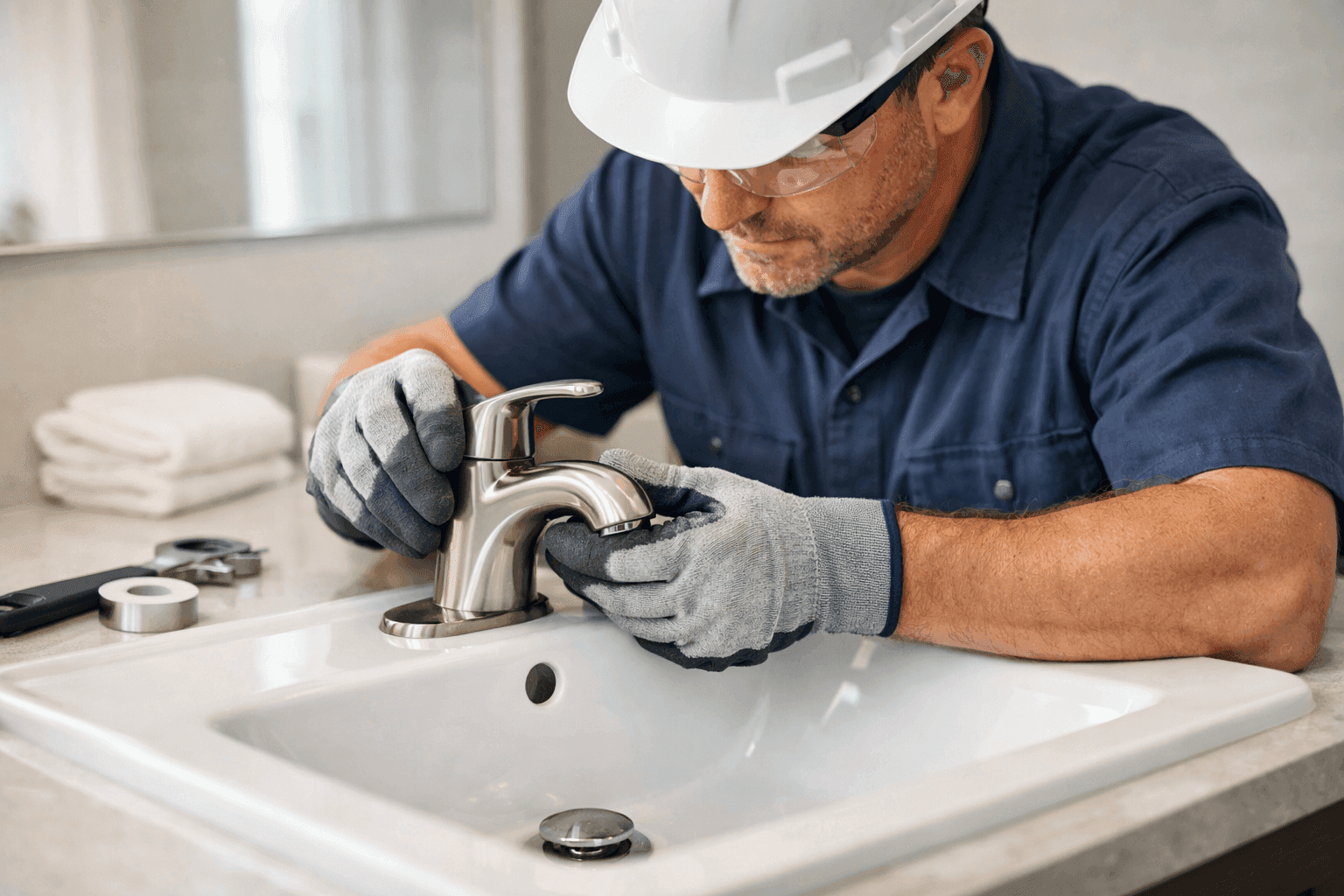
Thinking about giving your bathroom a facelift? Swapping out that old sink for a fresh one is one of the most satisfying upgrades you can tackle as a homeowner. But even the most confident DIYer can feel a bit overwhelmed once the wrenches and water lines get involved.
At Julius La Rosa Plumbing, we know that a little preparation—and a solid plan—can make all the difference. Below, we’ll walk you step by step through removing your old sink, installing a new one, and making sure there are no leaks left behind. If things get tricky, you’ll know exactly when to call in the pros.
Tools and Materials Needed 🛠️
Before you roll up your sleeves, gather your gear. The right tools can turn a sink install from a struggle into a smooth afternoon project.
You’ll need:
- Adjustable wrench
- Basin wrench
- Pipe wrench
- Flathead and Phillips screwdrivers
- Plumber’s putty or silicone caulk
- Teflon tape
- Bucket and towels (for spills)
- New sink and faucet (if replacing both)
- Supply lines and P-trap (if needed)
- Safety glasses and gloves
Double-check the manufacturer’s instructions for your new sink—sometimes they toss in specialty hardware or unique steps.
Quick Safety Checklist
Plumbing isn’t just about water. There’s electricity, sharp edges, and some chemicals involved. Take a minute to stay safe:
- Turn off the water supply at the shutoff valves under your sink.
- Unplug any nearby electrical outlets or devices.
- Wear gloves and safety glasses to protect from debris and sharp hardware.
- Check for signs of mold or water damage. If you spot anything that makes you uneasy, pause and consult a pro.
Removing the Old Sink
Out with the old! This step is a bit like pulling weeds—get the roots, and you’re set for what’s next.
- Clear the area: Empty the cabinet below and lay out towels.
- Shut off the water: Twist those supply valves closed and test by turning the faucet on. No water? Good.
- Disconnect supply lines: Use your wrench to loosen the nuts on the hot and cold lines. Keep your bucket handy—some water will spill out.
- Remove the P-trap: Loosen the nuts on the curved pipe under the sink. Tip it into your bucket.
- Cut the seal: Use a utility knife to slice the caulk or putty around the sink’s edge.
- Lift out the old sink: Some sinks pop right out; others need a little persuasion. Go gently to avoid damaging the countertop.
Dispose of the old sink responsibly—check with your local waste service for bulky-item rules.
Installing the New Sink
Here’s where the magic happens. Think of this as setting a new crown jewel into your bathroom.
Prepare the area: Clean the spot where your new sink will sit. Scrape away any old caulk and wipe it down.
Dry fit: Place the new sink in the opening to make sure it fits. Some sinks have clips or brackets—have those ready.
Seal: Run a bead of plumber’s putty or silicone caulk around the edge of the sink hole. This keeps water from sneaking into the cabinet below.
Set and secure: Lower the sink into place. Press gently to spread the sealant, and use any mounting hardware provided.
Pro tip: Double-check the sink is level before the sealant dries. A wonky sink is no one’s friend.
Connecting Plumbing and Seals
Now it’s time to hook everything back up. Like a puzzle, but with water as the reward.
- Faucet first: If your faucet isn’t pre-installed, mount it to the sink now. Follow the instructions—every faucet’s a little different.
- Supply lines: Attach the hot and cold lines to the faucet and shutoff valves. Wrap the threads with Teflon tape to guard against leaks.
- Drain assembly: Install the drain body and tailpiece. Use plumber’s putty under the flange to keep things watertight.
- P-trap: Connect the P-trap to the drain and wall pipe. Make sure the slip nuts are hand-tight, then give a gentle turn with your wrench.
Take your time here. Rushing can lead to leaks, which means double the work later.
Testing for Leaks 💧
Almost done! Before you pat yourself on the back, let’s make sure your new sink is watertight.
- Turn on the water: Slowly open the supply valves under the sink.
- Watch closely: Check all connections—supply lines, drain, and P-trap—for drips.
- Run the faucet: Let water flow through for a minute or two. Open and close the drain stopper to test for leaks below.
- Tighten if needed: If you spot a drip, gently tighten the connection. Don’t overdo it—too much force can crack hardware.
A dry cabinet means success. Still seeing drops? Don’t sweat. Sometimes a quick re-seat of the washer or a bit more Teflon tape does the trick.
When Should You Call a Plumbing Pro?
Some sink swaps are simple. Others are a maze of old pipes, stubborn hardware, or mysterious leaks that won’t quit. If you run into:
- Water that won’t shut off at the valve
- Old, corroded pipes that crumble at a touch
- Leaks you can’t trace or fix
- Unexpected odors or signs of mold
It’s time to call in a licensed plumber. They’ll spot hidden issues—like venting problems or improper slopes—that can lead to bigger headaches down the road. For complex or persistent issues, our bathroom plumbing team can help with repairs or upgrades.
DIY vs. Professional Sink Installation
Installing a bathroom sink yourself can save money and offer a sense of accomplishment. But there are limits. Plumbing codes (like the International Plumbing Code) set minimum standards for safety and functionality. If your project involves moving pipes, rerouting drains, or working with gas lines for a nearby fixture, bring in a qualified plumber.
Remember: A leak behind the wall or under the floor can cause thousands in damage. When in doubt, get professional advice.
Common Mistakes to Avoid
Even the best DIYers slip up. Here are a few frequent fumbles:
- Forgetting to turn off the water supply
- Over-tightening connections (which can crack fittings)
- Using the wrong sealant (caulk vs. putty)
- Missing a step in the drain assembly
- Not checking for leaks before closing up the cabinet
A little extra attention at each step saves time, money, and frustration later.
Timeline and Disruption
Most bathroom sink installations take 2–4 hours for a straightforward swap. Factor in extra time if your plumbing is older or you’re upgrading the faucet, too. Expect some noise, water shutoff, and the occasional splash. Clear out the area and keep pets and kids away from tools.
Costs and Budgeting
DIY sink installation costs mainly involve materials: the sink itself, new supply lines, and sealant. Professional installation adds labor but ensures code compliance and peace of mind. If you uncover larger plumbing issues—like corroded pipes or water pressure problems—budget for those repairs as well.
Preventative Maintenance Tips 🧰
Once your new sink is in, keep things running smoothly with a few habits:
- Check under the sink for moisture every few weeks
- Clean the drain regularly to prevent clogs
- Avoid harsh chemical drain cleaners—they can damage pipes
- Tighten loose connections if you notice leaks
Routine care can add years to your plumbing and fixtures.
Signs of Trouble After Installation
Keep an eye (and nose) out for:
- Persistent dampness or pooled water in the cabinet
- Slow-draining sink
- Dripping sounds when the faucet is off
- Musty odors (a sign of hidden leaks)
Early detection means easier fixes. If you notice these signs, don’t wait—a quick plumbing check can make all the difference.
What Pros Do On Arrival
If you do call in a plumber, expect them to:
- Inspect all connections for leaks and proper installation
- Check supply lines and shutoff valves for age and function
- Test drain assemblies for flow and tightness
- Offer guidance on fixture choices and future upgrades
They’ll follow local codes and best practices to ensure everything’s safe and efficient.
When It’s an Emergency
If you discover uncontrollable leaks, water gushing from pipes, or signs of electrical hazards, shut off the main water supply immediately. For urgent plumbing support, there’s always help available—especially for homeowners in Charleston, as local teams are ready for emergencies any time.
Seasonal Considerations
Cold snaps can freeze uninsulated pipes. If your bathroom sits on an exterior wall, check for drafts around pipes and add insulation as needed. In older homes, spring and fall are good times to inspect plumbing for leaks or corrosion.
FAQ: Bathroom Sink Installation
Q: Can I reuse my old faucet with a new sink? A: Often yes, if the holes and mounting match up. Double-check measurements before starting.
Q: Do I need a permit for sink replacement? A: Simple swaps usually don’t require a permit, but major plumbing changes might. Check with your local building department.
Q: What if my sink doesn’t fit the existing countertop cutout? A: Some trimming may be needed—or consider a new countertop for a perfect fit.
Final Thoughts
Upgrading your bathroom sink is a project within reach for most homeowners. With patience, the right tools, and a little confidence, you can transform your space and keep your plumbing in top shape. But remember—when the water starts flowing where it shouldn’t, the team at Julius La Rosa Plumbing is here to help, no matter the challenge.
Call Julius La Rosa Plumbing now — or reach us anytime at 855-598-5280 .