How to Deal with Plumbing Issues After a Storm
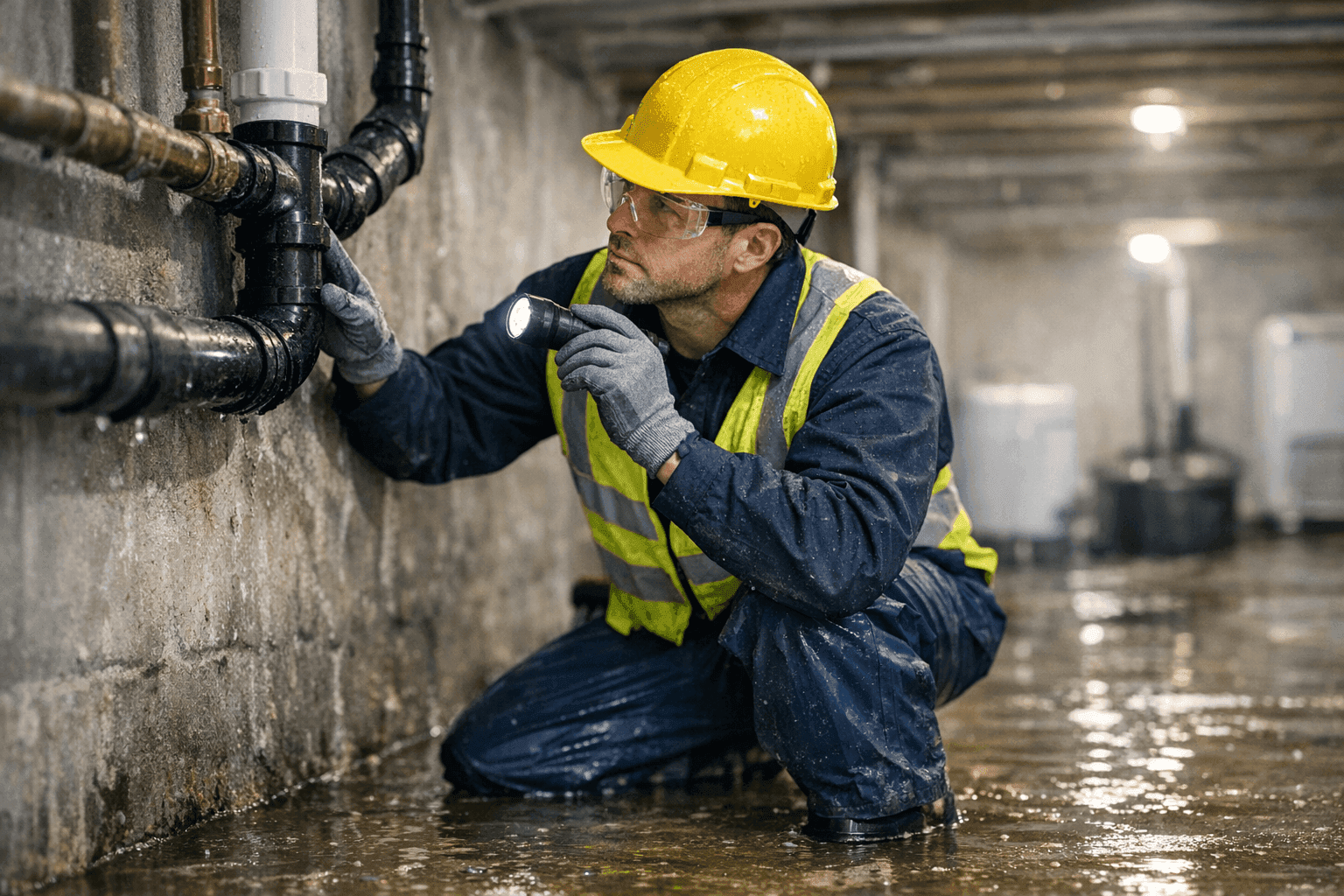
Storms can turn a peaceful home on its head overnight. Wind, rain, and rising water don’t just leave debris—they sneak into your plumbing, too. If you’ve ever stepped into a soggy basement or heard the angry gurgle of a toilet after a downpour, you know how fast trouble can strike.
At Julius La Rosa Plumbing, we’ve seen firsthand how storms can rattle pipes, knock out sump pumps, and send sewer lines into chaos. Knowing what to do right away can mean the difference between a quick fix and a long, expensive recovery.
Common Plumbing Problems After a Storm
Big storms bring more than puddles. They can flood basements, burst pipes, and clog drains with mud and leaves. Here’s what often goes wrong:
- Flooding in basements or crawl spaces
- Sewer backups that bring a foul surprise
- Broken pipes—especially if the ground shifts or tree roots move
- Sump pump failure, letting water rise unchecked
- Slow drains and toilets that gurgle or won’t flush
- Leaking fixtures or puddles under sinks
When the wind howls and the rain won’t quit, your home’s pipes become the unsung heroes—or, sometimes, the first casualties.
Immediate Safety Steps to Take First ⚠️
Safety first—always. Water and electricity are a dangerous mix. Here’s what to do before touching anything:
- Turn off electrical power to affected areas if water is present.
- Avoid standing water—it could be hiding live wires or sharp debris.
- Stop using plumbing fixtures (sinks, toilets, showers) if you suspect a sewer backup.
- Don’t use appliances like garbage disposals until a pro checks them.
If you smell gas, leave the house immediately and call emergency services.
How to Check for Storm Damage in Your Plumbing
After the storm clears, it’s time to play detective. Look for these signs:
- Water pooling in the basement or around the foundation
- Unusual odors coming from drains or toilets
- Slow drainage in sinks, tubs, or showers
- Water stains on walls, ceilings, or under sinks
- Unusual gurgling or bubbling sounds in pipes
Sometimes, the signs are subtle—a damp patch of carpet or a musty smell. Trust your senses. If something feels off, it probably is.
Prioritizing Repairs: What Needs Attention First
Not all plumbing problems are created equal. Some can wait; others need immediate action.
Tackle these first:
- Active flooding or standing water inside
- Sewer backups (especially if toilets or drains are overflowing)
- Pipe breaks or major leaks
- Sump pump not running when water is rising
Once the big threats are under control, move on to smaller leaks, slow drains, and preventive checks.
DIY Fixes vs. Calling a Plumber
It’s tempting to grab a wrench and dive in, but some storm damage goes deeper than you can see.
You can handle:
- Mopping up small puddles
- Resetting tripped breakers (once safe)
- Removing visible debris from drains
Leave to the pros:
- Sewer line inspection (special cameras required)
- Garbage Disposal Repair if it hums but won’t turn or smells like burnt rubber
- Pipe repairs under floors or behind walls
- Sump pump replacement or electrical fixes
Remember, some repairs must meet local plumbing codes. The International Plumbing Code (IPC) sets standards for safety and installation.
The Professional Arrival: What to Expect
When a plumber arrives, they’ll:
- Inspect all affected areas, including hidden pipes
- Use specialized tools (like sewer cameras and moisture meters)
- Test sump pumps and check backup power sources
- Check fixtures for signs of backflow or cross-contamination
- Recommend urgent repairs and outline next steps
Professional assessment spots problems you can’t see and helps prevent future surprises.
Flooded Basements: Handling the Aftermath
A wet basement feels overwhelming. Start by:
- Removing water with a wet/dry vacuum or pump
- Drying out the space with fans and dehumidifiers
- Tossing soaked carpets or insulation (they can grow mold fast)
- Checking for warped wood or bubbling paint
If the sump pump failed, have it inspected before the next storm rolls in.
Sewer Backups: The Silent Saboteur
A sewer backup is more than a mess—it’s a health risk. Watch for:
- Multiple drains clogging at once
- Sewage odors indoors
- Water backing up in tubs when you flush
Sewer problems often require professional sewer line repair and inspection.
Dealing with Pipe Breaks and Leaks
Storms can shift soil and crack buried pipes. Look for:
- Sudden drops in water pressure
- Unexpectedly high water bills
- Wet spots in the yard, even when it’s sunny
Shut off the main water valve if you spot a major leak. Then call for repairs.
Sump Pump Failure: The Hidden Risk
Sump pumps keep your basement dry, but storms can overwhelm them. Warning signs:
- Pump not running when water is rising
- Strange noises or vibrations
- Frequent tripping of the circuit breaker
Regular testing and backup batteries can save you a headache down the line.
Preventing Future Storm Damage
- Install a battery backup for your sump pump
- Clear gutters and downspouts before storm season
- Schedule annual drain cleaning to keep things flowing
- Insulate pipes if freezing weather follows storms
Preventative maintenance goes a long way toward keeping your home dry and your plumbing humming.
What Counts as a Plumbing Emergency?
Sometimes, waiting isn’t an option. Call for immediate help if:
- Water is flooding living areas
- You smell gas or suspect a gas line issue
- Sewage is backing up into the house
If you’re in the area, local plumbing help is available in Little Rock for urgent storm-related emergencies.
Seasonal Considerations: Not Just Hurricanes
Spring rains, summer storms, even fast-melting snow can threaten your plumbing. Each season brings its own risks:
- Spring: Melting snow and rain can flood basements
- Summer: Heavy downpours tax sump pumps and storm drains
- Fall: Leaves clog gutters and downspouts
- Winter: Frozen pipes can burst when temperatures drop
Stay ahead by checking vulnerable areas before the weather turns.
Common Mistakes Homeowners Make
- Turning on appliances before water damage is checked
- Ignoring minor leaks (“It’s just a drip” can turn into a flood)
- Pouring harsh chemicals down drains (can worsen clogs or damage pipes)
- Delaying repairs or relying on temporary fixes
If in doubt, consult a licensed plumber—small problems grow fast after a storm.
FAQs: Quick Answers to Common Concerns
How soon should I call for help after a storm?
As soon as you spot water, sewage, or suspect a gas leak.
Will my insurance cover storm-related plumbing repairs?
Check your policy—coverage varies. Water damage from outside flooding is often excluded from standard policies.
Is it safe to use my kitchen sink after a flood?
Not until a plumber checks for backflow or contamination.
Preparing for Service: What You Can Do
- Take photos of damage for insurance
- Move valuables out of wet areas
- Make a list of affected fixtures and appliances
- Be ready to explain what you’ve noticed (strange noises, smells, etc.)
A little prep helps the plumber solve your problem faster.
Next Steps: Restoring Your Home’s Comfort
Storms test every part of your home—including the pipes you rarely see. With quick action, a careful eye, and help from a licensed plumber, you can get things flowing smoothly again.
Call Julius La Rosa Plumbing now — or reach us anytime at 855-598-5280 .