How to Choose the Right Plumber: What Homeowners Must Know
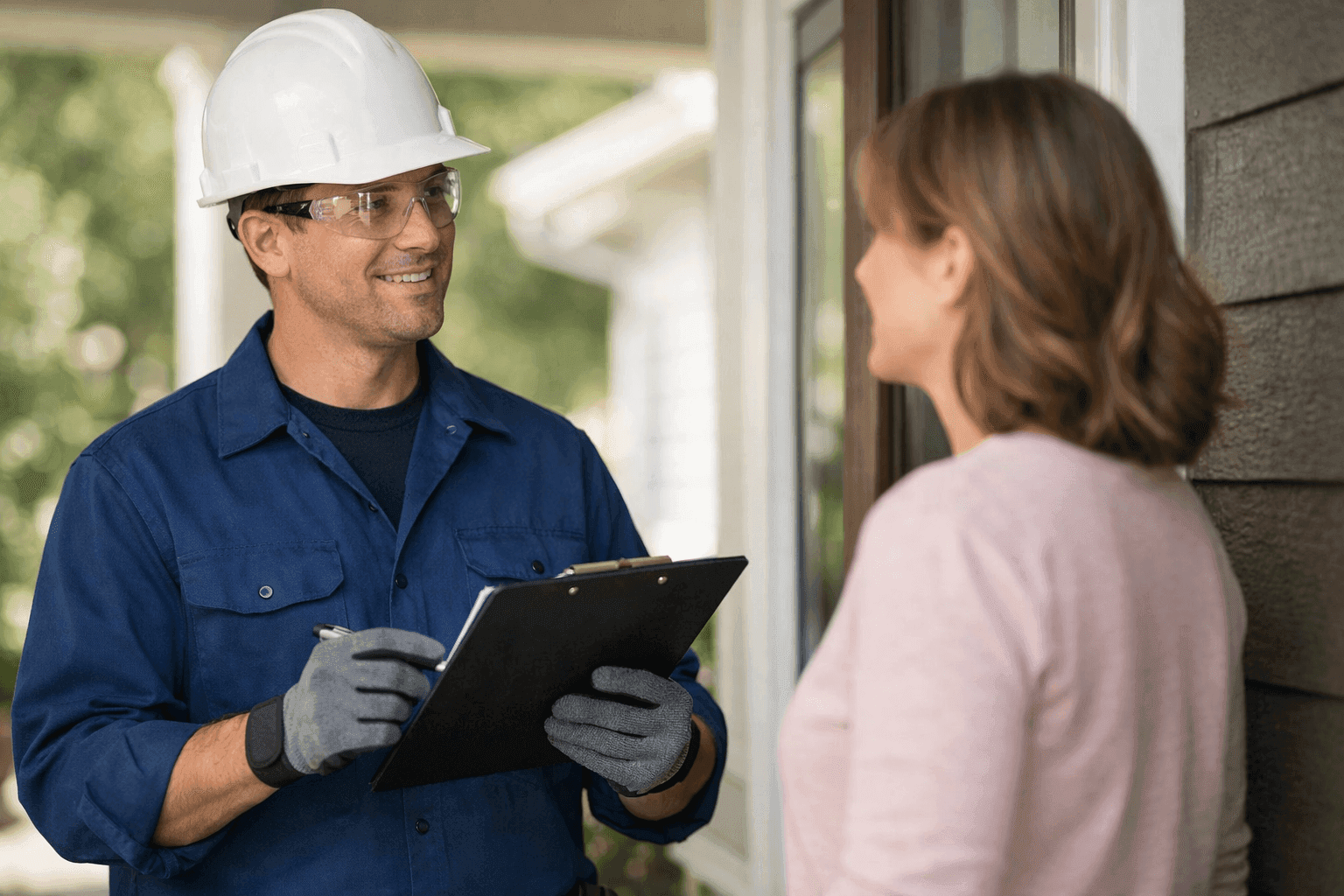
Every homeowner faces it eventually—a leaky pipe, a stubborn clog, or a water heater that just won’t cooperate. The urge to fix it fast is real. But rushing to hire the first plumber you find can turn a small drip into a flood of headaches.
At Julius La Rosa Plumbing, we know your home is your haven. Choosing the right professional isn’t just about stopping today’s leak—it’s about protecting your investment and your peace of mind for years to come.
Why Hiring Right Matters 🛠️
Think of hiring a plumber like choosing a mechanic for your car. You wouldn’t hand over your keys to just anyone, right? Your home’s plumbing is just as critical. A poorly done repair can lead to expensive water damage, mold, or even health risks from contaminated water.
Beyond the immediate fix, quality plumbing work keeps your home safe. It ensures your family’s water is clean, your appliances last longer, and your property value stays strong. The right plumber doesn’t just patch things up—they help you avoid bigger problems down the road.
Credentials and Qualifications
Before you let anyone under your sink or behind your walls, check their credentials. A licensed plumber has passed state exams and knows local plumbing codes. This isn’t just paperwork—it’s proof they’re trained to handle complex systems safely.
Always ask if they’re insured. Accidents can happen, even to the best. Insurance protects you if something goes wrong on the job. And don’t forget to ask about ongoing training. Plumbing technology changes, and a pro who keeps learning is more likely to spot issues early.
You can look up licensing requirements through your state’s Department of Labor or Consumer Affairs. The Uniform Plumbing Code (UPC) and International Plumbing Code (IPC) are two widely recognized standards in the United States. Reputable plumbers follow these guidelines to the letter.
Essential Questions to Ask
Don’t be shy—this is your home on the line. Here are some questions worth asking before you hire:
- Are you licensed and insured?
- How long have you been in business?
- Can you provide references from recent residential jobs?
- What’s your experience with my specific issue (like Garbage Disposal Repair or leak detection)?
- Do you provide written estimates?
- Who will actually do the work—are they employees or subcontractors?
- What’s your process for unexpected issues or costs?
These questions help you gauge not just skill, but transparency. A trustworthy plumber welcomes them.
Red Flags to Avoid 🚩
Some warning signs should make you pause, or even run the other way:
- Vague or evasive answers about licensing, insurance, or experience.
- Pressure to make a quick decision or pay up front in full.
- No physical address or company website.
- Unmarked vehicles or lack of uniforms.
- Reluctance to provide a written estimate.
- Reviews that mention shoddy work, missed appointments, or surprise charges.
Trust your gut. If something feels off, it probably is.
Getting Accurate Estimates
An estimate shouldn’t feel like a riddle. A reputable plumber will break down costs for parts, labor, and any potential extras. Beware of ballpark figures over the phone for complex jobs—most pros need to see the problem in person.
Ask if the estimate includes cleanup, permits, and disposal of old materials. Compare at least two quotes if you can. The cheapest isn’t always best. Look for clear, detailed explanations instead of vague promises.
DIY vs. Calling a Pro
Some plumbing fixes are safe for a handy homeowner—think tightening a loose faucet or unclogging a slow drain with a plunger. But when water’s pooling on the floor, pipes are hissing, or you smell gas, it’s time to step back.
Jobs like sewer line inspection, gas line installation, or anything involving your main water supply should always be left to a licensed plumber. The risks are too high for guesswork.
What Pros Do on Arrival
A professional plumber doesn’t just jump in with a wrench. First, they’ll ask questions, assess the situation, and explain what they’re looking for. They may use specialized tools—like video cameras for sewer line inspection or leak detection equipment—to get a clear picture.
They’ll protect your home with drop cloths or shoe covers. And before any work begins, you’ll get a clear explanation of what’s needed and why. No surprises, just solid communication.
Quick Safety Checklist 📝
Before any plumbing work starts, run through this quick checklist:
- Confirm the plumber’s license and insurance details.
- Ask where your main water shutoff valve is (and learn how to use it).
- Clear the work area of valuables and pets.
- Make sure you can easily reach the plumber if questions come up.
Following these steps helps ensure a smooth, safe repair.
When It’s an Emergency
Burst pipes, overflowing toilets, or a broken water heater in winter—these aren’t jobs to put off. In urgent moments, you need someone who can respond fast and fix the problem right the first time.
If you’re facing a crisis, it’s smart to look for emergency plumbing solutions that can handle repairs day or night. Not every plumber offers this level of responsiveness, so ask about availability before you’re in a pinch.
Seasonal Considerations
Plumbing problems don’t care about the calendar, but some issues are more common at certain times of year. Frozen pipes in winter, heavy rains overwhelming sump pumps in spring, or clogged drains after holiday gatherings—each season brings its own challenges.
If you’re searching for plumbers in Minneapolis, it helps to find a team familiar with local weather patterns and seasonal plumbing quirks.
Prevention & Maintenance
The best plumbing repair is the one you never need. Regular maintenance—like annual drain cleaning, leak checks, and water heater inspections—can catch small issues before they turn into big, expensive messes.
Ask your plumber about a preventative maintenance plan tailored to your home’s needs. A little attention now can save a lot of stress later.
Costs & Time Factors
No one likes surprise bills. A good plumber will outline not just the cost, but also how long the job will take and what kind of disruption to expect. For bigger jobs—like repiping, boiler repair, or fixture installation—ask if you can stay home during the work or if you’ll need to make other arrangements.
Always get a written estimate, and keep a copy for your records. If something changes mid-job, expect a clear explanation before any extra work starts.
Common Mistakes Homeowners Make
- Ignoring small leaks or slow drains, hoping they’ll go away.
- Hiring based solely on price, without checking credentials.
- Attempting complex repairs without the right tools or knowledge.
- Forgetting to ask about insurance or permits.
Avoid these pitfalls and you’ll save yourself money—and headaches—down the line.
Timeline & Disruption
No two plumbing jobs are exactly alike. Some fixes, like unclogging a toilet, might take less than an hour. Others, like sewer line installation or repiping, can stretch over several days.
A professional will explain what to expect, from noise and water shutoffs to how they’ll protect your floors and furniture. Don’t be afraid to ask for a daily update if it’s a big job.
Materials & Equipment
Quality matters. Ask what brands or materials your plumber recommends, and why. For example, copper and PEX are both popular choices for repiping, but each has pros and cons. The right materials can mean fewer repairs and better water quality over time.
A well-equipped plumber brings the right tools for the job—no last-minute runs to the hardware store.
Signs of Trouble
Some warning signs mean it’s time to call a professional:
- Water stains on ceilings or walls
- Unexplained spikes in your water bill
- Persistent clogs or slow drains
- Low water pressure throughout the house
- Strange noises from pipes or water heater
Don’t wait until a small problem becomes a big one.
Preparing for Service
Help your plumber help you. Clear a path to the work area, move fragile items, and jot down any questions or concerns. If you have pets, secure them in another room. The more prepared you are, the smoother (and faster) the repair will go.
FAQ: Picking the Right Plumber
Q: How do I verify a plumber’s license?
A: Most states let you check online through their Department of Labor or licensing board.
Q: Should I get multiple estimates?
A: Yes, especially for bigger jobs. Compare not just price, but also the level of detail and professionalism.
Q: What if I’m not happy with the work?
A: Discuss concerns right away. A reputable plumber will work with you to resolve issues.
Final Thoughts
Choosing a plumber isn’t just about fixing a leak—it’s about protecting your home and family from future headaches. Take your time, ask questions, and trust your instincts.
Call Julius La Rosa Plumbing now — or reach us anytime at 855-598-5280 .