How to Choose the Right Bathroom Fixtures
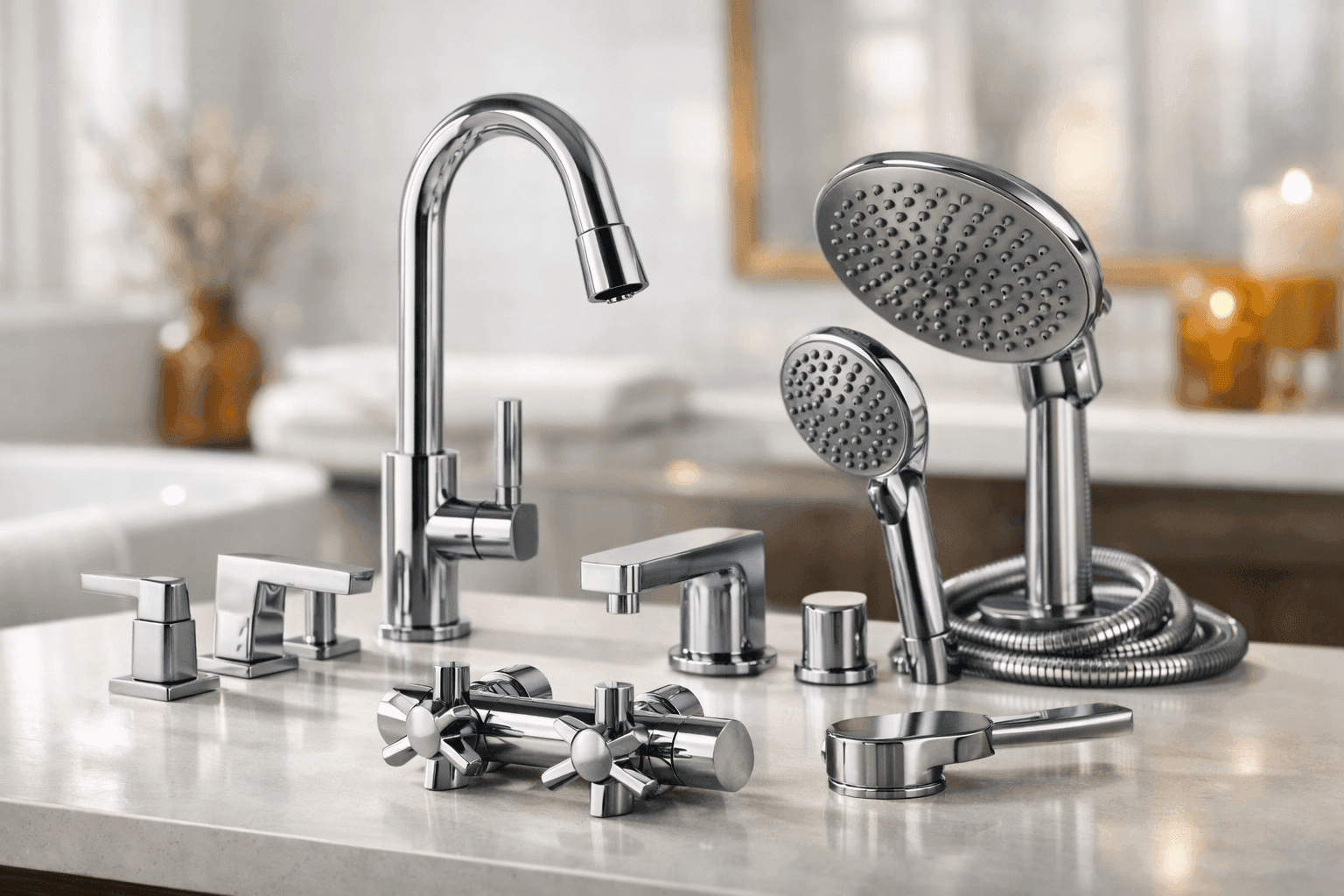
Every bathroom tells a story. The right fixtures shape that story—sometimes for years. But picking the right faucet, showerhead, or toilet isn’t always as simple as flipping through a catalog. If you’ve ever stared at options and felt overwhelmed, you’re not alone.
At Julius La Rosa Plumbing, we know that fixtures are about more than looks. They’re the hands-on heroes of your daily routine, and they need to perform—every time. Let’s walk through what matters most when choosing bathroom fixtures, and how smart decisions now can save headaches down the road.
Why Fixtures Matter in Bathrooms 🛁
Bathroom fixtures are the beating heart of your bathroom’s function. Think of them like the tires on a car—how well they work affects everything else. Leaky faucets, weak showerheads, or poorly chosen toilets can waste water, hike utility bills, and leave you frustrated.
Well-made fixtures also protect your plumbing. According to the International Association of Plumbing and Mechanical Officials (IAPMO), fixtures that meet or exceed code requirements help prevent backflow, leaks, and water damage. And let’s not forget: the right choices boost your home’s value and comfort.
Types of Bathroom Fixtures
Browsing the aisles or scrolling online, you’ll spot a dizzying range of options. Here are the main types you’ll encounter:
- Faucets: Sink, tub, and shower faucets come in a variety of styles and finishes, from sleek chrome to matte black.
- Showerheads: Fixed, handheld, rain, or massage. Water-saving models offer strong flow with less waste.
- Toilets: Standard, comfort-height, dual-flush, and even smart toilets with bidet functions.
- Sinks: Pedestal, vessel, undermount, and drop-in—all with unique shapes and materials.
- Bathtubs: Soaking, whirlpool, alcove, and freestanding tubs for every taste and space.
- Accessories: Towel bars, hooks, soap dispensers, and toilet paper holders keep things organized.
Each fixture brings its own set of choices. The trick is to match style, utility, and your home’s plumbing needs.
What to Consider When Choosing
Choosing fixtures isn’t just about color or shape. Here’s what to keep in mind:
1. Material and Build Quality
Fixtures made from brass, stainless steel, or solid metal last longer and resist corrosion. Cheaper plastic models may save a few dollars upfront, but often need replacing sooner. Look for WaterSense-labeled products—they save water and usually meet higher quality standards.
2. Water Pressure and Flow
Before buying, check your home’s water pressure. Some high-end rain showers need more pressure than your system delivers. A quick test with a gauge can prevent disappointment or the need for costly upgrades.
3. Compatibility With Plumbing
Will your new fixture fit the existing pipes and space? Standard sizes help, but older homes can throw curveballs. A professional inspection can spot potential problems before you order.
4. Style and Finish
Yes, style matters. Brushed nickel, oil-rubbed bronze, and chrome are popular for a reason—they wear well and hide fingerprints. Try to keep finishes consistent throughout the room for a pulled-together look.
5. Ease of Use and Cleaning
Lever handles are easier for kids and older adults. One-piece toilets or wall-mounted sinks make cleaning a breeze. Think about who uses the bathroom and how much effort you want to put into maintenance.
Common Fixture Mistakes to Avoid
- Buying on looks alone: That trendy faucet may not work with your plumbing—or last as long as you hope.
- Ignoring water-saving features: Modern fixtures can cut utility bills without sacrificing comfort.
- Mismatched finishes: Mixing metals can work, but too much variety can make the room feel chaotic.
- DIY installation without know-how: A poor install can mean leaks, wasted water, or even water damage.
Quick Safety Checklist
Before changing any fixture:
- Shut off the water supply at the nearest valve.
- Use the correct tools—no improvising with pliers if a wrench is needed.
- Double-check electrical connections for illuminated mirrors or smart toilets.
- Follow local building codes. The Uniform Plumbing Code (UPC) sets minimum safety standards for plumbing installations.
If in doubt, ask a licensed plumber. Mistakes can lead to costly repairs or failed inspections.
Should You DIY or Call a Pro?
Some homeowners can handle swapping out a faucet or showerhead. But when it comes to toilets, tubs, or anything involving piping changes, the risks go up. Cross-threaded connections and improper seals can cause leaks that show up weeks later—sometimes behind walls or under floors.
For hassle-free results (and to protect your investment), consider professional fixture installation. Plumbers spot hidden issues, ensure code compliance, and guarantee that everything works as intended.
What Pros Do on Arrival
A plumber’s first step is more than just unboxing your new fixture. We:
- Inspect shut-off valves and supply lines for wear or corrosion.
- Check clearances behind walls and under sinks.
- Test for proper water pressure and drainage.
- Install with the right torque, thread sealant, and alignments.
- Run the fixture to check for leaks and smooth operation.
Professional installation extends the life of your fixtures and minimizes future repairs.
Timeline & Disruption: What to Expect
Most basic fixture swaps take a couple of hours. But unexpected snags—like corroded pipes or outdated shut-offs—can add time. For larger projects (like a new tub or moving plumbing), plan for a day or more, with water shut-off for part of the time.
A good plumber will explain the process, keep the workspace tidy, and minimize disruption.
Signs Your Fixtures Need Replacing
Not sure if it’s time for new fixtures? Watch for:
- Persistent leaks or drips, even after repairs
- Rust, mineral buildup, or flaking finishes
- Weak water pressure at one or more taps
- Handles that stick or don’t turn smoothly
- Toilets that run or clog often
Replacing worn fixtures can save water and prevent hidden damage.
Preventative Maintenance Tips 🧰
- Clean aerators and showerheads every few months to prevent clogs.
- Check for leaks under sinks and around toilets regularly.
- Avoid harsh cleaners that damage finishes—stick to soft cloths and mild soap.
- Inspect shut-off valves yearly to make sure they still work.
Regular care keeps fixtures working and saves money on repairs.
Costs & Budget Factors
Fixture prices run from budget-friendly to high-end luxury. But remember: installation quality matters as much as the fixture itself. Skimping on materials or labor can mean paying double later.
Ask your plumber for recommendations based on your budget and needs. Sometimes a mid-range fixture, installed correctly, outperforms a pricier model.
When It’s an Emergency
Leaks that won’t stop. Flooded floors. A broken shut-off or a toilet that’s overflowing. These are true plumbing emergencies—don’t wait. If you’re in the area, reliable help is available in Kannapolis and nearby communities around the clock. Fast action can minimize water damage and keep repairs manageable.
Seasonal Considerations
Winter can be tough on pipes and fixtures—freezing temps lead to bursts or leaks. Summer brings its own challenges with increased water use. Schedule annual plumbing check-ups before the seasons change to catch small issues early.
FAQ: Bathroom Fixtures & Plumbing
Q: Are all fixtures compatible with my existing plumbing?
A: Not always. Size, water pressure, and pipe layout matter. Check specs or call a professional to avoid costly surprises.
Q: How can I tell if my home has hard water?
A: Look for white crusty buildup on faucets and showerheads. Hard water can shorten the life of fixtures—consider water filtration if you notice these signs.
Q: Can one plumber handle everything from fixture installation to toilet repair?
A: Yes, a full-service plumber skilled in bathroom plumbing can tackle everything from leaks to upgrades.
Preparing for Service
Before your plumber arrives, clear out under-sink storage, remove personal items from around the work area, and let everyone in the house know when water will be off. This helps the installation go quickly and smoothly.
Building Value: Why Quality & Pro Install Matter
A bathroom fixture isn’t just a purchase. It’s an investment in your home’s comfort, safety, and efficiency. Quality fixtures, installed with care, last longer and perform better. They also help avoid unexpected repairs and water bills that climb for no reason.
Call Julius La Rosa Plumbing now — or reach us anytime at 855-598-5280 .