How to Choose the Best Water Filtration System for Your Home
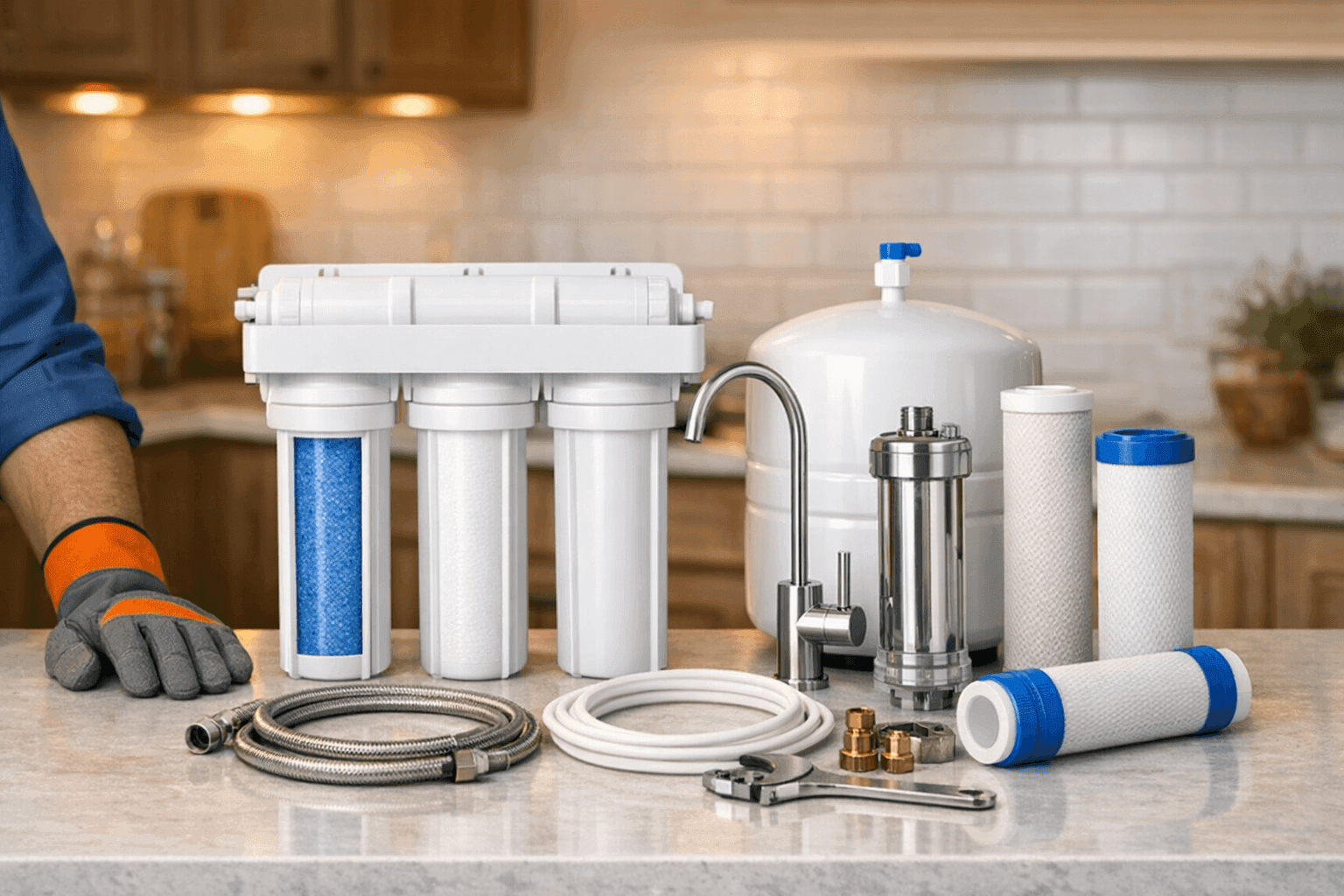
Are you tired of water that tastes odd, leaves spots on glasses, or makes you wonder what’s really coming out of your tap? You’re not alone. Clean, safe water is a basic need, and picking the right filtration system for your family can feel overwhelming—like staring at a crowded spice rack and not knowing where to start.
At Julius La Rosa Plumbing, we’ve helped countless households sift through the noise and find solutions that truly fit their needs. In this guide, we’ll cut through the confusion, walk you through every option, and give you the tools to make a choice you’ll feel confident about for years to come.
Spotting the Signs: Do You Need a Water Filtration System? 🚰
Sometimes, the need for water filtration is obvious. Other times, it’s subtle. Here are a few signs your home could benefit from better filtration:
- Water tastes or smells like chlorine or rotten eggs
- Cloudy appearance, visible particles, or rust stains
- Family members complain of dry skin or dull hair
- Hard water spots on dishes and fixtures
- Old pipes, or a home built before 1986 (when lead pipes were more common)
If you’re seeing any of these, it’s time to start thinking about your water’s journey from the street to your sink.
Understanding Your Water Quality: The First Step
Before you buy, get familiar with what’s actually in your water. You wouldn’t buy a lock without knowing your door’s size, right?
- Check your annual water quality report (often mailed by your utility or available online).
- At-home testing kits are available at hardware stores—these can measure chlorine, lead, pH, iron, and more.
- If you’re on a private well, annual testing is a must. The EPA recommends checking for bacteria, nitrates, and local contaminants.
Knowing what you’re up against—chlorine, sediment, lead, bacteria, or something else—will tell you what type of filter makes sense.
Types of Water Filtration Systems: A Closer Look
There’s no one-size-fits-all answer. Let’s break down the main types, their strengths, and where they shine.
Whole-House Filtration
Imagine putting a superhero at your front door, stopping unwanted guests before they even step inside. That’s what a whole-house system does—every faucet, every shower, every appliance gets filtered water.
- Best for: Homes with hard water, iron, sediment, or odors throughout.
- Common filters: Sediment, carbon, sometimes water softeners.
- Contaminants removed: Sediment, chlorine, iron, sulfur, some pesticides.
Under-Sink Filtration
Think of under-sink systems as a security guard stationed at your kitchen for drinking and cooking water. They tackle the water used most for health.
- Best for: Targeting one tap—usually the kitchen.
- Common filters: Carbon block, reverse osmosis, specialty cartridges.
- Contaminants removed: Chlorine, lead, heavy metals, pesticides, microplastics.
Faucet-Mounted Filters
Like a removable screen on your window, these filters attach directly to the faucet. They’re a quick fix for kitchens or bathrooms.
- Best for: Renters, apartments, or anyone wanting easy installation.
- Common filters: Activated carbon.
- Contaminants removed: Chlorine, taste, odor, some lead.
Pitcher Filters
Drop a filter in a pitcher and pour. Simple as making lemonade. Portable and affordable, but with limited capacity and speed.
- Best for: Small households or occasional use.
- Common filters: Activated carbon.
- Contaminants removed: Chlorine, taste, odor.
Matching Filter to Contaminant: What Each System Targets
Each filter is built to catch different “bad guys.” Here’s how the main technologies work:
- Activated Carbon: Great at removing chlorine, taste, and odor. Some can reduce lead and pesticides.
- Reverse Osmosis: A fine-mesh net that catches lead, arsenic, nitrates, and even some viruses. Often paired with carbon for taste.
- Water Softeners: Tackle hard water minerals (calcium, magnesium) that cause scale and spots, but don’t remove most chemicals.
- UV Filters: Zap bacteria and viruses, making water safer for families with immune concerns.
Before choosing, match your system to what your water needs most.
Counting the Costs: What to Expect Upfront and Over Time
Think of water filtration as an investment in your home’s health. Costs run the gamut:
- Whole-house systems: $800–$3,000+ installed. Filters can last 6–12 months.
- Under-sink units: $150–$600 for the unit, plus installation. Filter changes every 6–12 months.
- Faucet-mount filters: $20–$60. Cartridges last 2–3 months.
- Pitcher filters: $15–$60. Cartridges last 1–2 months.
Don’t forget the hidden costs: replacement filters, the occasional maintenance check, and if you’re not handy, professional installation.
Maintenance: What’s Required to Keep Water Safe
Every filter has a “lifespan”—ignore it, and the system can become a breeding ground for bacteria or let contaminants slip through. Here’s what to expect:
- Cartridge changes: Mark your calendar. Most need replacing every 2–12 months, depending on usage.
- Whole-house tanks: May need a pro to swap out media every few years.
- Sanitizing: Some systems, like reverse osmosis, need periodic cleaning.
- Watch for drops in water pressure: This often signals a clogged filter.
Regular maintenance is like keeping fresh batteries in your smoke alarm—it’s not glamorous, but it matters.
When to Call a Pro: DIY vs. Professional Installation 🛠
Some systems you can install with basic tools and a free afternoon. Others—especially whole-house or reverse osmosis—are best left to certified plumbers. Here’s why:
- Complexity: Drilling, pipe cutting, and ensuring leak-free connections require experience.
- Local code requirements: Some areas require licensed installers for major plumbing work.
- Warranty: Many manufacturers require professional installation to honor the warranty.
For homeowners in West Jordan, local codes often shape what you can and can’t do yourself. When in doubt, ask before drilling that first hole.
Industry Standards: What Certifications Matter?
Not all filters are created equal. Look for products certified by:
- NSF International: Ensures the filter does what it claims—removing lead, chlorine, or other contaminants.
- Water Quality Association (WQA): Another reputable mark for effective water treatment.
- EPA recommendations: Especially important for well owners and those with specific contaminants.
These marks are like seatbelts for your water—simple, but essential.
Plumbing Considerations: Will It Work With My Home?
Some homes, especially older ones, have quirky pipes or tight spaces under the sink. Before buying, measure clearances and check your pipe material (copper, PEX, PVC, or galvanized steel).
- Whole-house units: Need space near your main water line and sometimes require power.
- Under-sink: Check for space and easy access to cold water lines.
- Water pressure: Some filters reduce flow—important for shower and kitchen use.
If you’ve tackled Garbage Disposal Repair near you with us before, you know that plumbing projects are rarely “one-size-fits-all.”
Matching Your Family’s Needs to the Right System
Every family is different. Think about:
- Household size: Bigger families = more water = bigger filters.
- Health concerns: Babies, elderly, or those with health conditions may need extra protection.
- Lifestyle: Frequent cooking, gardening, or homebrewing? That influences your needs.
Talk it over with everyone who uses the water. What matters most—taste, safety, or convenience?
Common Mistakes to Avoid
Even smart homeowners can slip up. Watch for these pitfalls:
- Ignoring regular filter changes: Even the best system is useless with a clogged filter.
- Buying the wrong size: Too small, and you’ll be swapping filters every week.
- Not testing water first: Don’t guess at the problem—test it.
- Overlooking certifications: If it’s not NSF or WQA certified, think twice.
- DIYing complex installs: If you’re unsure, a professional can save time (and leaks).
How Plumbing Pros Can Help
A licensed plumber isn’t just someone with a wrench—they’re trained in safety codes, leak prevention, and matching systems to your unique home. At Julius La Rosa Plumbing, we’re happy to help with installation, annual maintenance, or even a second opinion on the system you’re eyeing.
Seasonal Considerations: When to Install or Upgrade
Winter can bring frozen pipes; summer, higher water use. The best times for installation are spring and fall, when demand is lower and you avoid weather-related plumbing headaches.
If you’re planning a remodel or already need repairs (like a new sump pump or water heater), it’s a smart time to add or upgrade filtration.
Safety and Code: Following the Rules
Every community has different plumbing codes. Always check your local guidelines or ask your plumber. The Uniform Plumbing Code (UPC) and International Plumbing Code (IPC) both set minimum standards for safe installation. For gas line or boiler work, additional requirements may apply.
Frequently Asked Questions
How often do I need to change my filter?
It depends on the type and use—check the manufacturer’s guide, but mark your calendar for every 2–12 months.
Will a filter remove “everything”?
No filter removes every single contaminant. That’s why it’s essential to test your water and choose a system matched to those results.
Can I install a system myself?
Pitcher and faucet filters, usually yes. Whole-house and under-sink systems, often best left to a professional.
Are there options for renters?
Yes! Faucet-mount and pitcher filters are easy to install and remove.
Empowering Your Choice
Choosing a water filtration system isn’t just about today—it’s about protecting your family’s health for years to come. Take the time to test your water, compare your options, and ask questions. When it’s time for installation or maintenance, partnering with a qualified plumbing team can make all the difference.
Call Julius La Rosa Plumbing now — or reach us anytime at 855-598-5280 .