How to Choose the Best Kitchen Sink for Your Home
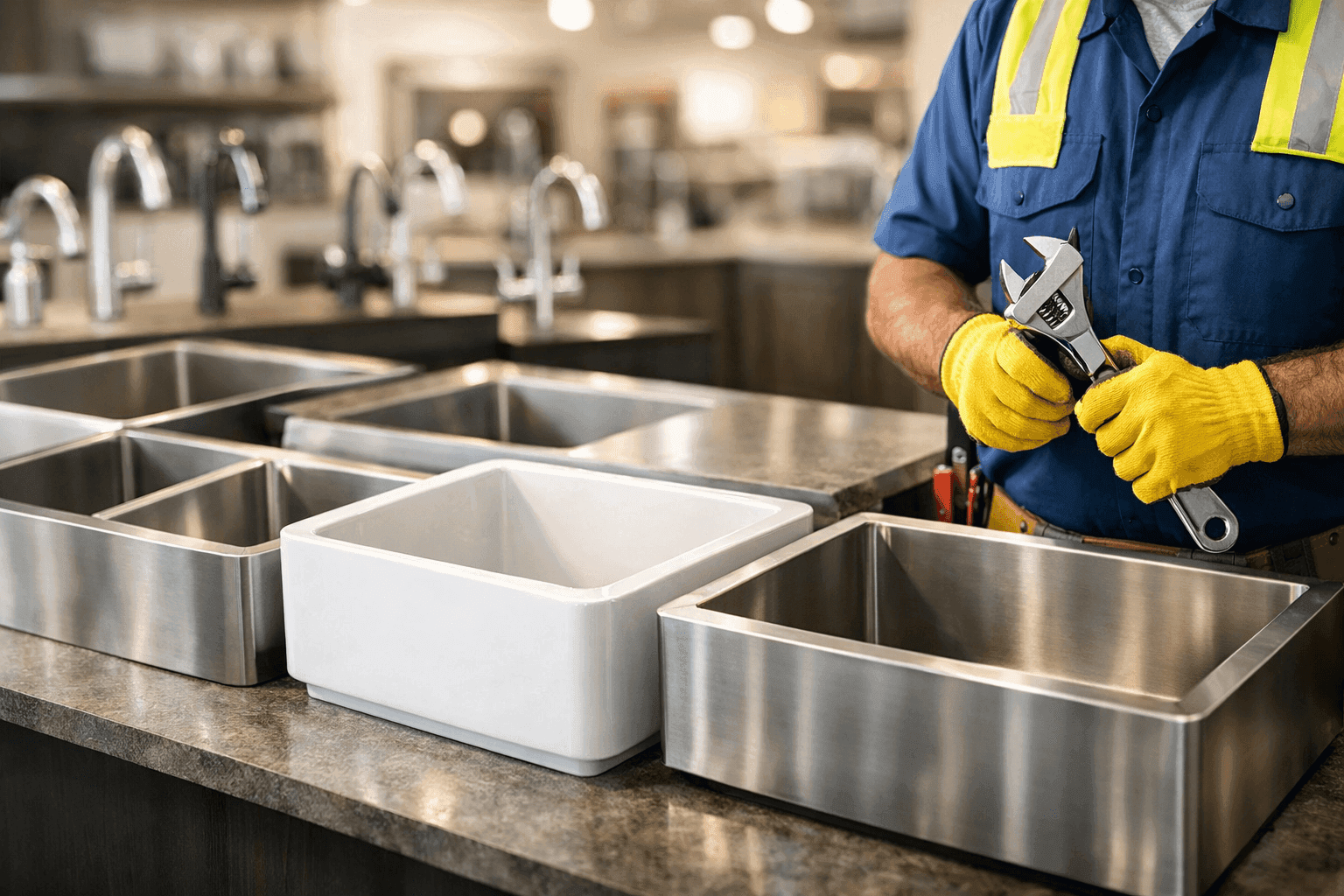
The kitchen sink is more than just a spot for rinsing plates. It’s the heart of your kitchen’s daily rhythm—where meals begin and cleanup ends. Choosing the right one isn’t just about looks. It’s about how your kitchen feels, functions, and lasts.
A new sink can transform your space, but with so many options, it’s easy to feel overwhelmed. At Julius La Rosa Plumbing, we help homeowners cut through the noise and make choices that stand the test of time.
Why Sink Choice Matters 🛠️
Your sink takes the brunt of kitchen life. From scrubbing pans to prepping veggies, it’s in constant use. The wrong choice can mean frustration—awkward fits, constant leaks, or surfaces that scratch at the first sign of a steel wool pad.
A well-chosen sink, on the other hand, becomes a reliable partner. It supports your routine, stands up to daily wear, and looks good doing it. Think of it like the shoes you wear every day: the right fit makes all the difference.
Types of Kitchen Sinks
There’s no one-size-fits-all. Here are the most popular styles:
- Top-Mount (Drop-In): The rim sits on top of the counter. Easy to install and replace.
- Undermount: Attached beneath the countertop for a seamless look. Cleaning crumbs is a breeze.
- Farmhouse (Apron-Front): Deep and wide, with a front panel that juts out. Perfect for big pots and a classic look.
- Double Bowl: Two separate sections for multitasking.
- Single Bowl: One large basin—great for washing large items.
- Bar/Prep Sinks: Small, secondary sinks for added convenience.
Each style has its own strengths. What matters most is how it fits your space and habits.
What to Consider When Choosing
Picking a sink isn’t just about picking a shape. Here’s what to weigh:
1. Size and Depth
- Counter Space: Measure twice—countertop cutouts are unforgiving.
- Basin Depth: Deeper sinks handle more dishes but can be tough on your back if too deep.
- Cabinet Size: Your base cabinet must have enough room for the sink and plumbing.
2. Material Matters
- Stainless Steel: Durable, easy to clean, and works with most kitchen styles.
- Porcelain/Cast Iron: Classic, but can chip if heavy pans are dropped.
- Granite Composite: Tough, stylish, and resists scratches and stains.
- Fireclay: Elegant and strong, but heavier and pricier.
Think about noise, too. Thicker materials or sound-deadening pads cut down on clatter.
3. Number of Bowls
- Single Bowl: Spacious, simple, and great for big cookware.
- Double Bowl: Lets you soak and rinse at the same time. Some prefer a 60/40 split for flexibility.
4. Faucet and Fixture Compatibility
Not all sinks fit all faucets. If you’re upgrading fixtures too, check the number and placement of holes.
5. Functionality Features
- Integrated Drainboards: Handy for drying dishes.
- Accessories: Cutting boards, colanders, and racks can make prep easier.
- Garbage Disposal Compatibility: Make sure your sink setup can handle it.
6. Style and Finish
Your sink should match your kitchen’s vibe—modern, farmhouse, traditional, or industrial.
Installation Tips for a Smooth Upgrade 🧰
Installing a kitchen sink is like fitting a puzzle piece. One wrong move and you’re left with leaks or gaps.
- Check Local Codes: Plumbing codes (referenced by the International Association of Plumbing and Mechanical Officials) may dictate drain placement, venting, and backflow requirements.
- Turn Off Water: Always shut off supply lines before starting.
- Seal Properly: Use plumber’s putty or silicone where needed to prevent leaks.
- Test for Leaks: Run water and check all connections before finalizing.
- Support Heavy Sinks: Farmhouse and stone sinks need sturdy cabinets and sometimes extra bracing.
If you’re not comfortable with saws, pipes, or water lines, don’t risk it. Many homeowners choose professional kitchen plumbing services for peace of mind and lasting results.
Common Mistakes to Avoid
- Guessing on Measurements: Even half an inch off can mean a world of trouble.
- Ignoring Cabinet Size: Not all cabinets fit all sinks.
- Skipping Fixture Planning: Faucet holes don’t always line up.
- Overlooking Weight: Heavy sinks need strong support.
- DIY Overreach: Plumbing mishaps can lead to water damage or mold.
Quick Safety Checklist
- Turn off water at the shutoff valves.
- Unplug garbage disposals and dishwashers before disconnecting.
- Wear gloves—sink edges can be sharp.
- If you spot corrosion or mold, pause and consult a pro.
Materials and Durability
Think long-term. Stainless steel resists rust. Granite composite shrugs off scratches. Porcelain offers timeless beauty, but needs gentle care. The right material can mean decades of reliable use.
When to Call an Expert
If you run into stubborn leaks, notice unusual odors, or find water pooling under the cabinet, it’s time to call in help. For urgent needs—like sudden flooding or no water flow—you can find responsive Catonsville plumbing services with just a quick call.
DIY vs. Professional Installation
Some homeowners love a hands-on challenge. But even the best YouTube tutorial can’t replace years of plumbing know-how. Mistakes can lead to leaks, water damage, or code violations. A professional install ensures your sink is watertight, compliant, and built to last.
Signs of Trouble After Installation
- Drips or puddles under the cabinet.
- Slow drains or gurgling sounds.
- Loose or shifting sink basin.
- Odd smells from the drain.
Catch these early and you’ll avoid major headaches down the road.
Costs and Time Factors
Sink costs range from budget basics to high-end statement pieces. Factor in installation, fixture upgrades, and possible plumbing adjustments. A straightforward swap can take a few hours; more complex projects may stretch longer.
Timeline & Disruption
Replacing a sink isn’t usually a week-long ordeal. Most jobs wrap up in a day, but surprises (like old pipes or hidden leaks) can add time. Clear out under the sink and prep your space for smoother work.
Prevention & Maintenance
- Wipe down your sink after heavy use.
- Avoid harsh chemicals that can damage finishes or pipes.
- Clean drains regularly to prevent clogs.
- Schedule annual plumbing checkups for peace of mind.
Seasonal Considerations
Cold weather can make pipes brittle, while summer humidity may reveal slow leaks. Regular checks help avoid seasonal surprises. If you’re planning a remodel or upgrade, consider timing it when your schedule is less hectic.
FAQ
Q: Can I install a garbage disposal with any sink?
A: Most modern sinks are compatible, but always check the drain opening size and cabinet clearance.
Q: What’s the best sink material for families?
A: Stainless steel and granite composite handle heavy use and resist stains, making them family favorites.
Q: How do I keep my new sink looking great?
A: Use gentle cleaners, avoid abrasive pads, and dry the sink after use to prevent water spots.
Preparing for Service
Before your plumber arrives, clear the area under the sink, remove cleaning supplies, and make sure pets are safely out of the way. This helps the work go faster and keeps everyone safe. If you’re scheduling with local plumbing in Catonsville, a little prep can make the whole process smoother.
Final Thoughts
Your kitchen sink should be a reliable workhorse—not a source of stress. With careful planning and professional installation, you’ll enjoy years of trouble-free use and a kitchen that works as hard as you do.
Call Julius La Rosa Plumbing now — or reach us anytime at 855-598-5280 .