How to Avoid Plumbing Scams: Red Flags and Safe Hiring Tips
Plumbing problems never wait for a convenient time. One moment, you’re making coffee—the next, your kitchen sink gurgles and the garbage disposal jams. You reach out for help, but how do you know if the plumber you hire is honest?
At Julius La Rosa Plumbing, we’ve seen too many homeowners fall victim to slick scams and empty promises. It’s time to shine a light on the red flags, so you can protect your home and your wallet.
Common Plumbing Scams: What Homeowners Should Watch For
When you’re stressed about a leak or a clog, it’s easy to overlook warning signs. But some scams pop up again and again:
- Lowball Bids: A price so low it sounds like a steal? It probably is. Often, these bids balloon once work begins.
- Unnecessary Repairs: Some plumbers claim you need urgent work—like a new sewer line—when a simple fix would do.
- No Written Contract: If there’s nothing in writing, there’s nothing to hold the plumber accountable.
- Upfront Cash Demands: Be wary if someone asks for full payment before the job even starts.
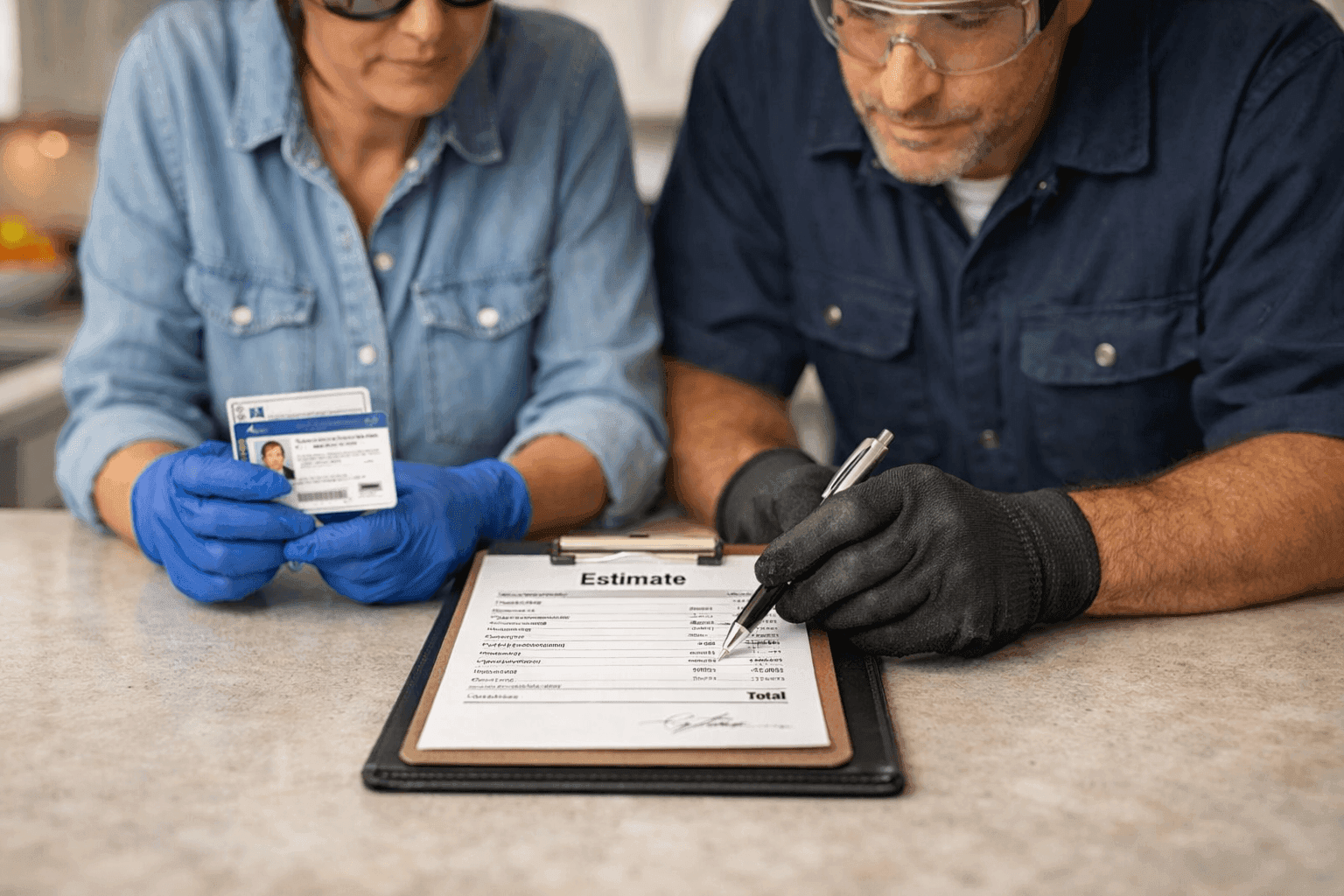
- No Identification or Company Branding: Legitimate pros don’t show up in unmarked vans or without ID.
Red Flags That Signal a Plumbing Scam 🚩
Think of these warning signs like a flickering check engine light. Ignore them, and things can get expensive fast.
- Pressure Tactics: “This deal is only good today!” Real professionals let you make decisions at your own pace.
- Vague Estimates: If you can’t get a clear, itemized estimate, something’s off.
- Reluctance to Show Credentials: Every plumber should carry a license and proof of insurance.
- Refusal to Provide References: If past customers can’t vouch for them, ask yourself why.
How to Check a Plumber’s Credentials
You wouldn’t let a stranger babysit your houseplants without some proof of experience. The same goes for your pipes.
- Ask for a License Number: Most states require plumbers to be licensed. You can check this with your local building department.
- Verify Insurance: Liability and workers’ compensation insurance protect you if something goes wrong.
- Request References: A reputable plumber will have satisfied customers who are happy to talk.
- Look for Industry Memberships: Groups like the Plumbing-Heating-Cooling Contractors Association (PHCC) set standards for professionalism.
Safe Hiring Practices for Homeowners
Hiring a plumber shouldn’t feel like rolling dice. Follow these steps to stack the odds in your favor:
- Get Multiple Quotes: Don’t settle for the first offer. Compare prices and approaches.
- Insist on Written Estimates: Details matter. Make sure every part of the job is spelled out.
- Check Reviews Carefully: Read both positive and negative reviews—look for patterns, not just star ratings.
- Never Pay the Full Amount Upfront: A small deposit is normal, but the bulk of payment should come after the job is done.
- Keep Communication in Writing: If there’s a dispute, having a record helps.
The Importance of Written Contracts
A handshake isn’t enough when it comes to your home’s plumbing. Written contracts protect both you and the plumber.
- Scope of Work: What exactly will be done?
- Materials Used: Are they using quality parts?
- Timeline: When will work start and finish?
- Payment Schedule: How and when will you pay?
If a plumber won’t put it in writing, it’s time to walk away.
DIY vs. Hiring a Pro: Know When to Call
Some plumbing fixes—like unclogging a minor drain—are safe for a Saturday DIY. But when it comes to complex repairs, gas lines, or water heater issues, it’s best to call a professional.
If you’re searching for Garbage Disposal Repair near you, make sure you’re choosing a technician with real credentials and transparent practices. Don’t risk your home’s safety to save a few bucks.
What to Expect When a Pro Arrives
A trustworthy plumber will:
- Arrive on time, in a marked vehicle
- Wear a uniform or ID badge
- Inspect the issue thoroughly before quoting
- Explain the problem in plain language
- Offer a clear estimate and answer your questions
You should never feel rushed or pressured.
Preventative Maintenance: Avoiding Scams Before They Start
Regular plumbing maintenance helps you spot issues early—before they become emergencies. Schedule annual inspections, especially for older homes. This not only keeps your system healthy but also helps you build a relationship with a trusted plumber.
A plumber who knows your home is less likely to recommend unnecessary repairs.
Costs and Time Factors: What’s Normal?
Plumbing costs can vary, but beware of prices that are way out of line. According to the International Association of Certified Home Inspectors, average plumbing repairs should fall within a reasonable range for your area and the complexity of the job.
If a bid seems suspiciously low or high, ask for a breakdown. Honest plumbers will explain their pricing.
When It’s an Emergency: Don’t Panic—Be Smart
Emergencies make us vulnerable. A burst pipe or sewer backup can push anyone into panic mode. But even in a crisis, don’t skip the basics:
- Ask for ID and credentials, even if the plumber arrives fast.
- Don’t agree to major repairs without a written estimate.
- If you’re overwhelmed, ask a friend or neighbor to help review the paperwork.
Residents looking for reliable plumbing in Lincoln can find local professionals who follow these safe hiring practices.
Seasonal Considerations: Scams After Storms and Freezes
Storms, cold snaps, and floods can bring out scam artists. They know homeowners are desperate to fix pipes, sump pumps, and water heaters. If you get a knock on the door after a storm, check credentials before letting anyone in.
Remember: real plumbers don’t use scare tactics or pressure you into immediate, expensive repairs.
Common Mistakes Homeowners Make
- Not Checking Licenses: Always verify before work begins.
- Ignoring Gut Feelings: If something feels wrong, trust your instincts.
- Skipping the Contract: Don’t rely on verbal agreements.
- Paying in Cash Only: Use a check or credit card for a paper trail.
Signs of Trouble: When to Get a Second Opinion
- The plumber keeps finding “new” problems.
- Prices change dramatically mid-job.
- You feel pressured to commit on the spot.
Getting a second opinion can save you from unnecessary repairs and costs.
Materials and Equipment: Ask Questions
Don’t be afraid to ask what parts or brands your plumber plans to use. Quality materials matter—especially for jobs like garbage disposal repair. If the answer is vague, it’s a red flag.
Timeline and Disruption: What’s Reasonable?
A typical plumbing job should have a clear timeline. If a plumber says a simple leak repair will take a week, ask why. Delays happen, but you deserve honest communication.
Building Trust: Transparency Matters
The best plumbers keep you in the loop. They explain what they’re doing, why it matters, and how you can prevent future problems. They answer your questions without getting defensive.
At Julius La Rosa Plumbing, we believe in transparency—because your home deserves respect.
FAQ: Quick Answers to Common Questions
Q: Should I always get more than one quote?
A: Yes, especially for major jobs. It helps you spot outliers and understand your options.
Q: Is a written contract really necessary for small jobs?
A: Even for minor repairs, a simple written agreement protects both parties.
Q: What if I suspect a scam after work has started?
A: Stop the work and seek a second opinion immediately. Report any suspicious behavior to your local consumer protection agency.
Final Thoughts: Protecting Your Home from Plumbing Scams
A little caution goes a long way. By knowing the red flags, checking credentials, and insisting on transparency, you can keep your home—and your wallet—safe from plumbing scams.
Call Julius La Rosa Plumbing now — or reach us anytime at 855-598-5280 .