The Homeowner’s Ultimate Guide to Drain Cleaning
You’re brushing your teeth, and the water in the sink creeps higher. Or maybe the kitchen drain gurgles after a big family dinner. It’s frustrating, sometimes embarrassing, and—if ignored—can turn a simple day into a plumbing emergency.
At Julius La Rosa Plumbing, we know that clogs don’t care if you’re busy, tired, or expecting guests. That’s why understanding the basics of drain cleaning is a must for every homeowner. Here’s how you can keep things flowing and spot trouble before it spirals.
Why Drains Clog: The Usual Suspects
Clogged drains aren’t just bad luck—they’re usually the result of what goes down the pipes. Picture your home’s plumbing as a set of arteries. Over time, grease, hair, soap, and even tiny bits of food act like cholesterol, sticking to the inside walls and narrowing the flow.
- Kitchen drains: Cooking oils, starchy leftovers, and coffee grounds are common culprits.
- Bathroom sinks and tubs: Hair, toothpaste, and soap scum build up like a slow-moving traffic jam.
- Toilets: Flushing wipes, paper towels, or too much toilet paper is like sending boulders down a stream.
Seasonal changes add their own risks. During holidays, drains work overtime with extra cooking and guests. After storms, tree roots may seek out cracks in sewer lines, causing blockages that creep up on you.
Quick Safety Checklist Before You Start 🛑
Before you reach for the plunger or pour anything down the drain, take a moment:
- Turn off water to the affected area if possible.
- Wear gloves—drain gunk isn’t just gross, it can harbor bacteria.
- Ventilate the area, especially if you’re using hot water or cleaning solutions.
- Never mix chemicals; combining cleaners can create dangerous fumes.
- Keep kids and pets away while you work.
If you ever smell gas or notice water near electrical outlets, stop immediately and call for professional help.
DIY Cleaning Methods: Simple Fixes That Work
Not every clog needs a pro. Sometimes, a little patience and the right approach can clear things up.
The Baking Soda & Boiling Water Trick
Think of this as the gentle nudge—safe for pipes and surprisingly effective:
- Pour a kettle of boiling water down the drain.
- Add half a cup of baking soda.
- Wait five minutes, then follow with a cup of vinegar.
- Cover the drain and let it fizz for 10 minutes.
- Flush again with boiling water.
This method can break up greasy buildup and minor hair clogs. It’s safe for most modern plumbing and won’t damage your pipes.
Plungers and Drain Snakes
A plunger isn’t just for toilets. Use a cup plunger for sinks and tubs. Create a tight seal and use firm, even pressure. If that fails, a handheld drain snake (also called an auger) can reach deeper clogs—just feed it gently to avoid scraping the pipes.
Professional Tools and Techniques: What the Pros Bring
Some clogs laugh off home remedies. That’s when it’s time for tools built for the job:
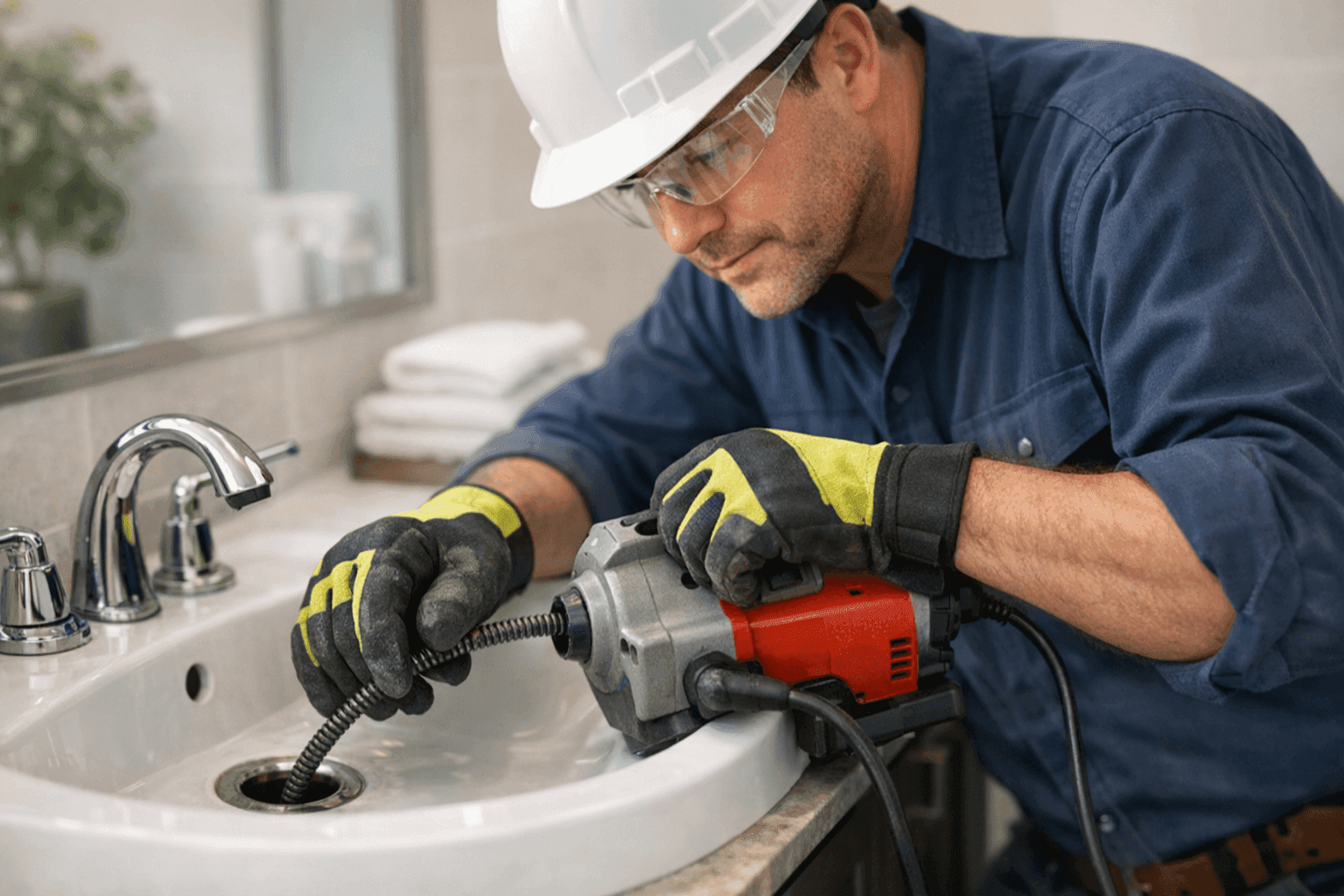
- Motorized drain augers: These power through stubborn blockages.
- Hydro-jetting: Imagine a pressure washer for your pipes—blasting away years of buildup without chemicals.
- Video inspections: Tiny cameras snake through your drains, revealing hidden problems like tree roots or collapsed pipes.
When you need drain cleaning services, professionals use these techniques to clear drains safely and spot underlying issues you might never see.
Avoiding Chemical Drain Openers: Why They’re Not Worth the Risk ⚠️
It’s tempting to grab a bottle of drain cleaner from the store. But here’s the catch: most chemical drain openers use harsh acids or lye. They might clear a clog, but they also eat away at your pipes—especially older metal or PVC. Over time, this can lead to leaks or even burst pipes.
Plus, chemical fumes can be harmful to breathe, especially in small bathrooms or kitchens. The Environmental Protection Agency (EPA) and the National Institute for Occupational Safety and Health (NIOSH) both warn against frequent use of caustic chemicals in home plumbing.
Signs of Bigger Problems: When a Clog Isn’t Just a Clog
Sometimes, a slow drain is a symptom—not the disease. Watch for these red flags:
- Multiple drains clogging at once
- Water backing up in tubs or showers when you flush the toilet
- Gurgling sounds or foul odors from drains
- Wet spots or mold near pipes or walls
These can signal issues deeper in your sewer line or even a hidden leak. In such cases, a simple fix won’t cut it. You may need a full inspection to prevent water damage or health hazards.
Seasonal Risks: Holidays, Storms, and Heavy Use 🎉
Clogs love company. During holidays, your kitchen and bathroom drains face more use than usual. Cooking big meals? Grease and food scraps build up fast. Hosting overnight guests? Showers and toilets get a workout.
After heavy storms, tree roots can shift or grow into underground pipes, causing sudden backups. If your home is older or surrounded by mature trees, this risk is even higher.
In these seasons, stay alert for slow drains and act fast. Local support is available—Orland Park plumbing services can respond quickly if you’re in need during a crunch.
Preventative Steps: Keep Clogs at Bay
Like brushing your teeth to avoid cavities, a little routine care goes a long way:
- Use drain screens to catch hair and food scraps.
- Never pour grease or oil down the drain. Wipe pans with a paper towel before washing.
- Flush drains with hot water weekly.
- Schedule preventative maintenance plans to spot issues before they cause trouble.
Regular attention helps avoid emergencies and keeps your plumbing healthy year-round.
When to Call an Expert: Knowing Your Limits
If you’ve tried everything and water still won’t drain, don’t force it. Persistent clogs, recurring backups, or odd smells are signs you need a seasoned hand. Sometimes, what looks like a simple clog is actually a cracked pipe or a failing sewer line.
Don’t risk damaging your home or making the problem worse. Call a licensed plumber who can diagnose and fix the issue safely.
Emergency Situations: Act Fast, Stay Safe
If a drain overflows and water is spreading, shut off your home’s main water supply if you can. Move valuables out of the way and avoid using electrical outlets near standing water. Quick action limits damage and keeps your family safe.
For gas leaks, sewer smells, or any plumbing emergency, step outside and call for help immediately. Safety comes first—always.
Common Mistakes to Avoid
- Overusing chemical cleaners
- Ignoring slow drains (they rarely fix themselves)
- Flushing non-flushable items (wipes, cotton swabs, dental floss)
- Using makeshift tools that can damage pipes
Stick to proven methods and don’t hesitate to ask for help when you’re unsure.
How Long Does Drain Cleaning Take?
Most DIY fixes take 30 minutes or less. Professional jobs can range from a quick visit to a few hours, especially if video inspection or hydro-jetting is needed. Persistent or complex clogs may require more time, but the peace of mind is worth it.
What to Expect During a Service Visit
A plumber will assess the problem, explain your options, and use specialized tools to clear the blockage. They’ll also check for signs of bigger issues, so you’re not left guessing. Disruption is usually minimal, and most homes are back to normal the same day.
FAQs: Your Drain Cleaning Questions Answered
Is it safe to use baking soda and vinegar for all pipes?
Yes, for most modern plumbing. Avoid if you have old, fragile pipes—ask a plumber if unsure.
How often should I clean my drains?
Monthly flushing with hot water and using screens is a good routine. Schedule annual maintenance for peace of mind.
Can tree roots really cause clogs?
Absolutely. Roots seek out moisture and can invade even tiny cracks in underground pipes.
Stay Ahead of Clogs with Julius La Rosa Plumbing
A smooth-running home starts with healthy drains. With a little knowledge and regular attention, you can prevent most clogs, handle minor issues, and know when to call in the pros. When you need a hand, Julius La Rosa Plumbing is here for you—day or night.
Call Julius La Rosa Plumbing now — or reach us anytime at 855-598-5280 .