A Homeowner’s Guide to Preventing Clogged Drains
Is there anything more frustrating than a slow-draining sink or a toilet that just won’t flush right? Clogged drains aren’t just a nuisance—they can turn a peaceful evening into a plumbing scramble. At Julius La Rosa Plumbing, we know how quickly a small blockage can snowball into bigger headaches.
Every homeowner deals with a clogged drain at some point. The good news? Most clogs can be avoided with a few simple habits and a little know-how. Let’s break down the causes, prevention, and what to do when things get out of hand.
Why Drains Get Clogged 🌀
Drains work hard behind the scenes. Day in, day out, they carry away everything from soapy water to stray bits of food. But they aren’t invincible.
Common Causes in Kitchens and Bathrooms
Kitchen Drains:
- Grease and oils. They go down as liquids, then cool and stick like glue.
- Food scraps, especially starchy or stringy bits—think potato peels or celery.
- Coffee grounds, eggshells, and pasta can clump together and block pipes.
Bathroom Drains:
- Hair. Even short strands can tangle and form stubborn clogs.
- Soap scum. Over time, it binds with hair and dirt, shrinking pipe openings.
- Flushed wipes, cotton balls, and dental floss. These don’t break down and can snag inside pipes.
It’s a bit like arteries clogging up over time—a little build-up here, a little there, until water can’t flow freely.
Everyday Habits to Prevent Clogs
Prevention starts with what you do (and don’t do) every day. Small changes make a big difference.
Do’s and Don’ts for Homeowners
Do:
- Use drain strainers in sinks, tubs, and showers to catch hair and debris.
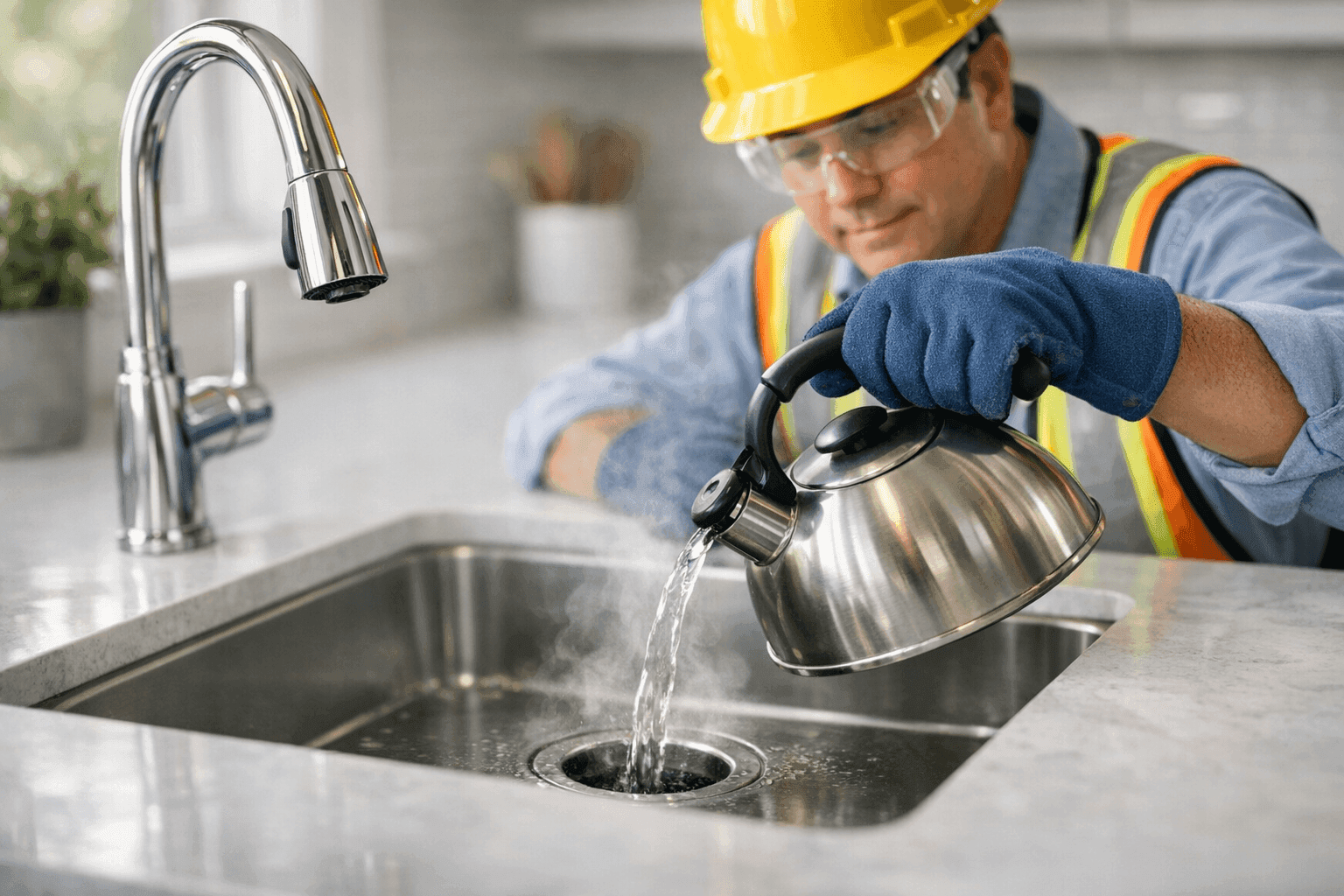
- Pour boiling water down kitchen drains weekly to help dissolve grease.
- Scrape food scraps into the trash or compost—don’t rely on your garbage disposal for everything.
- Run cold water when using the garbage disposal to help move waste along.
- Clean stoppers and strainers regularly.
Don’t:
- Don’t pour grease, fat, or oil down any drain—wipe pans with a paper towel first.
- Don’t flush anything except toilet paper.
- Don’t use chemical drain cleaners too often; they can corrode pipes and harm plumbing systems.
- Don’t ignore slow drains—address them before they become full blockages.
These habits are like brushing your teeth for your plumbing. Consistency is key.
Seasonal Drain Maintenance
Drains face different challenges as the seasons change. Holidays, cold snaps, and big gatherings can put extra pressure on your pipes.
Preparing for Holidays and Heavy Use 🎉
- Before guests arrive, check all sinks, tubs, and toilets for slow drainage.
- Avoid overloading your garbage disposal with large amounts of food at once.
- Remind visitors (especially kids) what shouldn’t go down the drain or toilet.
- In winter, keep an eye on basement or garage drains—cold weather can cause pipes to contract and slow flow.
- After big events, flush drains with hot water and baking soda to freshen them up.
If you’re in an area that sees freezing temperatures, insulate exposed pipes to prevent cracks and leaks. The International Association of Plumbing and Mechanical Officials (IAPMO) recommends regular inspection of your plumbing system before winter sets in.
Signs of a Clogged Drain
Spotting trouble early can save you from bigger repairs. Watch for:
- Water pooling around drains or backing up.
- Gurgling noises from pipes.
- Unpleasant odors coming from sinks or tubs.
- Slow drainage, especially after heavy use.
If you notice any of these, don’t wait. Early action is cheaper and easier than an emergency fix.
DIY vs. Calling a Pro
Some clogs can be handled with a plunger or a drain snake. But sometimes, it’s best to leave it to a professional.
DIY is usually fine for:
- Minor sink or tub clogs.
- Clearing hair from visible stoppers.
- Using a plunger on a slow toilet.
Call a plumber if:
- Multiple drains are slow at once (could mean a main line issue).
- Water backs up into tubs or showers when you flush the toilet.
- You hear bubbling or see wet spots around the home.
- DIY fixes aren’t working.
Trying to force a stubborn clog can damage pipes or push the blockage deeper.
When to Schedule Professional Cleaning
Regular drain cleaning isn’t just for emergencies. It’s like getting your oil changed—routine maintenance keeps everything running smoothly.
If you’ve never had your drains professionally cleared, or if you experience recurring slowdowns, consider scheduling annual drain cleaning services. This helps remove buildup you can’t reach with home tools and can extend the life of your plumbing.
Preventative Maintenance: The Secret Weapon
Think of preventative maintenance as insurance for your pipes. A visit from a licensed plumber can include:
- Video camera inspection of sewer lines.
- Checking for small leaks or corrosion.
- Testing water pressure.
- Advice on upgrades, like water filtration or backflow prevention.
The Uniform Plumbing Code recommends annual inspections for older homes or properties with mature trees (roots can invade sewer lines).
What Pros Do On Arrival
When a plumber arrives, they’ll:
- Ask about your plumbing history and recent issues.
- Use specialized tools—like augers, hydro-jetters, or cameras—to find and clear blockages.
- Inspect for underlying problems, such as cracked pipes or improper installation.
Professional equipment can break up years of buildup in minutes, restoring flow and preventing future clogs.
Costs & Time Factors
Most residential drain cleanings are quick—often under an hour. Costs vary depending on severity, location, and whether emergencies are involved. Investing in maintenance now can avoid expensive repairs later.
When It’s an Emergency 🚨
Overflowing toilets, sewage backups, or water flooding from a drain? That’s an emergency. Shut off water to affected fixtures (if possible) and call for help immediately.
If you’re in need of Murray plumbing services, reliable help is just around the corner for those urgent situations.
Common Mistakes Homeowners Make
- Using harsh chemicals that erode pipes.
- Ignoring small leaks, which can signal bigger issues.
- Pouring “flushable” wipes or feminine hygiene products down the toilet.
- Waiting too long to address slow drains.
A little attention now can mean a lot less stress later.
Materials and Equipment for DIYers
- Plunger (cup for sinks, flange for toilets)
- Hand-crank drain snake
- Rubber gloves
- Baking soda and vinegar (for mild clogs)
- Bucket and towels (for cleanup)
Always follow manufacturer guidelines and local plumbing codes. If in doubt, call a professional.
Timeline & Disruption
Most minor clogs can be handled in under an hour. Larger issues—like main line blockages—may take longer and could require temporary water shut-off. A reputable plumber will explain the process and keep disruptions to a minimum.
FAQ: Drain Clog Edition
Q: How often should I clean my drains?
A: Monthly for strainers and stoppers; annually for professional cleaning.
Q: Are chemical drain cleaners safe?
A: Use sparingly, if at all. They can damage pipes and harm the environment.
Q: What about “flushable” wipes?
A: Despite the label, they don’t break down and can clog pipes.
Final Thoughts: Protect Your Home’s Plumbing
Clogged drains don’t have to be a recurring nightmare. With a few simple habits, some seasonal attention, and the right maintenance schedule, you can keep water flowing smoothly all year.
Call Julius La Rosa Plumbing now — or reach us anytime at 855-598-5280 .