Gas Safety Checks: How to Protect Your Home and Family
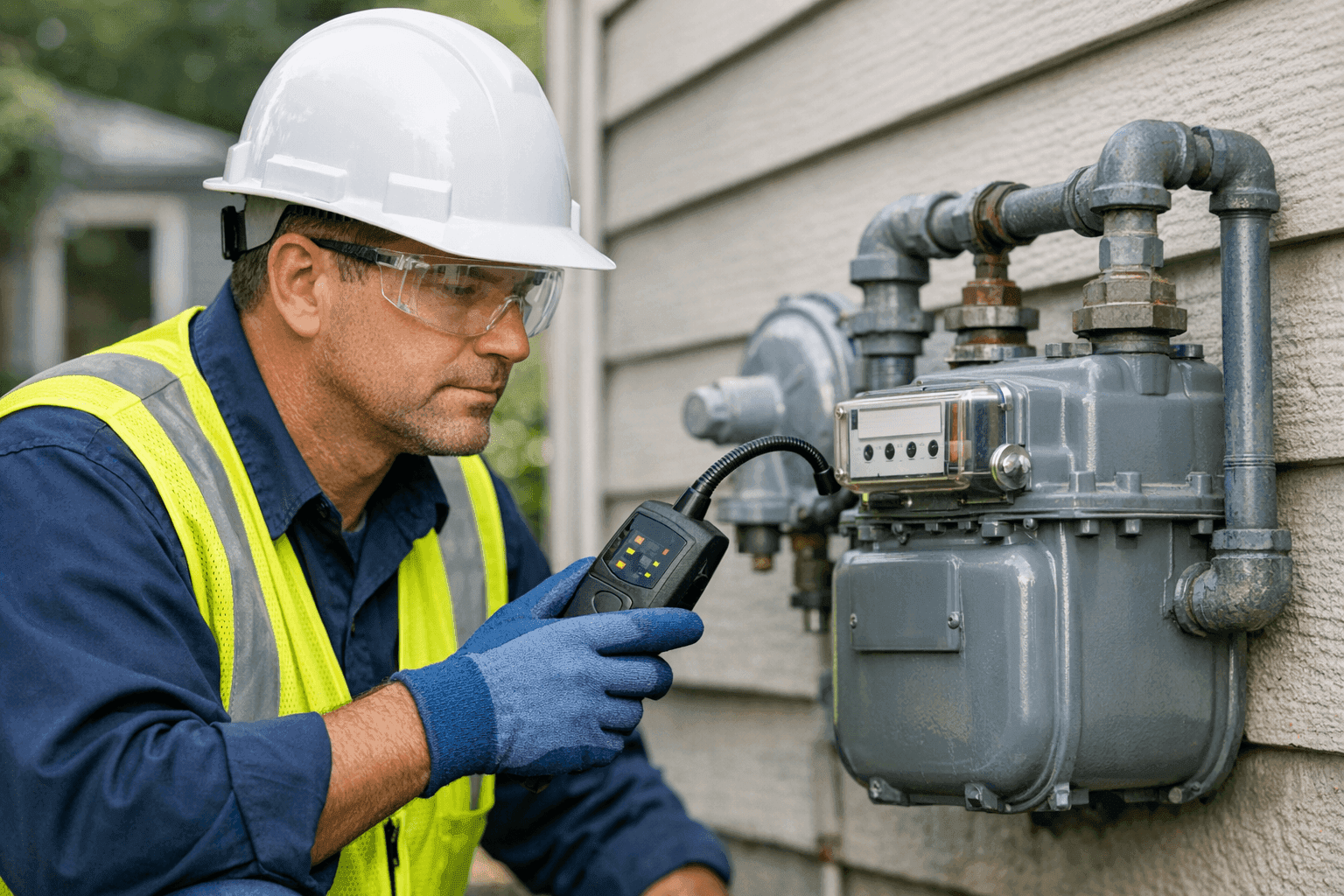
Gas powers our stoves and warms our showers, but it’s not something to take for granted. One tiny leak can turn a peaceful evening into a rush of worry—or much worse. At Julius La Rosa Plumbing, we’ve seen firsthand how hidden gas issues can jeopardize safety, health, and peace of mind.
Most homeowners rarely think about their gas lines until there’s a problem. Yet, regular gas safety checks are as essential as locking your doors at night. Let’s break down why these inspections matter and how you can protect your loved ones.
Why Gas Safety Matters 🔥
Gas is invisible, but its dangers aren’t. When a leak occurs, it’s like an invisible wild animal loose in your home—unpredictable and potentially deadly. Natural gas leaks can cause:
- Health risks: Headaches, dizziness, nausea, and, in severe cases, asphyxiation.
- Fire or explosions: Gas + spark = disaster. Even a phone call can ignite leaking gas.
- Property damage: Fires and explosions can destroy what you value most.
Local and national codes (like those from the International Fuel Gas Code and National Fire Protection Association) require safe gas installations and regular checks. Skipping inspections is like ignoring that “check engine” light—only the stakes are much higher.
Recognizing the Signs of Gas Leaks
Knowing the warning signs can help you act before things get out of hand. Watch for:
- Rotten egg smell: Utility companies add mercaptan to gas, giving it a distinct odor.
- Hissing or whistling near pipes.
- Dead houseplants: Gas leaks can suffocate roots.
- Unusual bubbles in ponds or moist ground.
- Physical symptoms: Unexplained headaches, fatigue, or nausea.
If you notice any of these, treat it seriously. Trust your senses—if something feels off, it probably is.
Health Risks: More Than Just a Headache
Breathing in natural gas can be like slowly shutting a window on fresh air. Mild exposure causes dizziness and nausea, but long-term or high-level exposure can result in:
- Memory problems
- Difficulty breathing
- Unconsciousness
- Death (in worst-case scenarios)
Young children, seniors, and pets are especially at risk. The Centers for Disease Control and Prevention (CDC) stresses the importance of immediate action at any sign of exposure.
Fire Hazards: Why Speed Matters
Gas doesn’t wait for a convenient time to cause trouble. All it takes is a spark—a light switch, static electricity, or even your cell phone. That’s why, if you suspect a leak, never use electrical devices or create sparks.
According to the National Fire Protection Association, gas leaks are one of the leading causes of residential fires. Quick action saves lives.
Professional Gas Line Inspections: What to Expect
An inspection is more than a quick sniff and glance. Certified technicians from Julius La Rosa Plumbing use specialized equipment—like gas detectors and pressure gauges—to check every connection, joint, and appliance.
Here’s how a typical visit goes:
- Visual inspection of all exposed gas lines and connections.
- Pressure testing to ensure there are no hidden leaks.
- Appliance checks for proper venting and safe operation.
- Review of valves and shut-offs to ensure you can act fast in an emergency.
Annual checks are best. If you’ve never had one, now’s the time. Learn more about our gas safety checks process.
Why You Need a Certified Technician
Just as you wouldn’t let an untrained pilot fly your family, you shouldn’t let an uncertified person handle your gas lines. Our team meets all local licensing requirements and follows code standards for gas work. This isn’t just about compliance—it’s about your safety.
Choosing a certified technician means:
- The right tools for the job
- Up-to-date training on codes and safety
- Insurance coverage if something goes wrong
The peace of mind is worth every penny.
Carbon Monoxide Alarms: Your Silent Guardian 🚨
Carbon monoxide (CO) is another invisible threat. Unlike gas leaks, CO has no smell and no color. It’s produced when gas appliances malfunction or vent improperly.
Install CO alarms near sleeping areas, in every bedroom, and outside common rooms. Test them monthly. Replace batteries twice a year—when you change your clocks, change your CO alarm batteries too.
The U.S. Consumer Product Safety Commission recommends CO detectors for every home with gas appliances.
Quick Safety Checklist for Homeowners
- Install CO alarms and test monthly.
- Know where your gas shutoff valve is located.
- Keep the emergency plumbing number handy.
- Have your gas lines inspected annually.
- Never ignore odd smells or hissing sounds.
A few simple habits can make all the difference.
When It’s an Emergency: What to Do Now
Imagine you smell rotten eggs or hear a hiss. What now? Don’t panic—but don’t hesitate.
- Evacuate everyone, including pets.
- Don’t use lights, phones, or anything that could spark.
- Open windows and doors on your way out, if safe.
- Call your utility company and emergency services from outside.
- Call a licensed plumber once the utility company has secured the area.
Local support is available—if you’re in the area, our Portland availability means you’re never left waiting in an emergency.
DIY vs. Calling a Pro: Know Your Limits
Tightening a loose faucet is one thing. Gas lines? Entirely different. DIY repairs can lead to hidden leaks and long-term risks. If you suspect an issue, leave it to certified professionals. Don’t gamble with your family’s safety.
Prevention and Maintenance: Small Steps, Big Impact
Preventative checks are like brushing your teeth—a little effort now saves major headaches later. Schedule:
- Annual professional inspections
- Routine testing of appliances
- Regular cleaning and vent maintenance
If you’re considering upgrades, our gas line installation team can ensure everything is up to code and safe for years to come.
Common Mistakes Homeowners Make
- Ignoring warning signs (smells, sounds, or symptoms)
- Skipping annual inspections
- Using faulty or outdated appliances
- Attempting DIY gas repairs
Avoid these pitfalls to keep your home safe.
How Long Does a Gas Safety Inspection Take?
Most residential inspections take 1-2 hours, depending on the size of your home and number of appliances. Minimal disruption, maximum security.
Seasonal Considerations: Don’t Wait for Winter
Gas use spikes in winter—heating, hot water, and festive cooking all mean more demand. Schedule checks before the cold sets in to avoid untimely surprises.
FAQ: Answers to Common Gas Safety Questions
How often should I have my gas lines checked?
Annually is best—or anytime you notice changes in appliance performance or smells.
Are gas safety checks required by law?
Local codes often mandate inspections for new installations, home sales, or after major repairs. Check your local regulations.
Will an inspection disrupt my routine?
Most checks are quick and non-invasive. You’ll have peace of mind, fast.
Final Thoughts: Protect What Matters Most
A gas line is a lifeline—and a potential hazard if neglected. With regular checks, the right alarms, and professional guidance, you can keep your home’s invisible risks under control.
If you ever have questions about gas safety, plumbing, or even need “Garbage Disposal Repair near you,” Julius La Rosa Plumbing is ready to help.
Call Julius La Rosa Plumbing now — or reach us anytime at 855-598-5280 .