Gas Line Safety for Homeowners: What You Need to Know
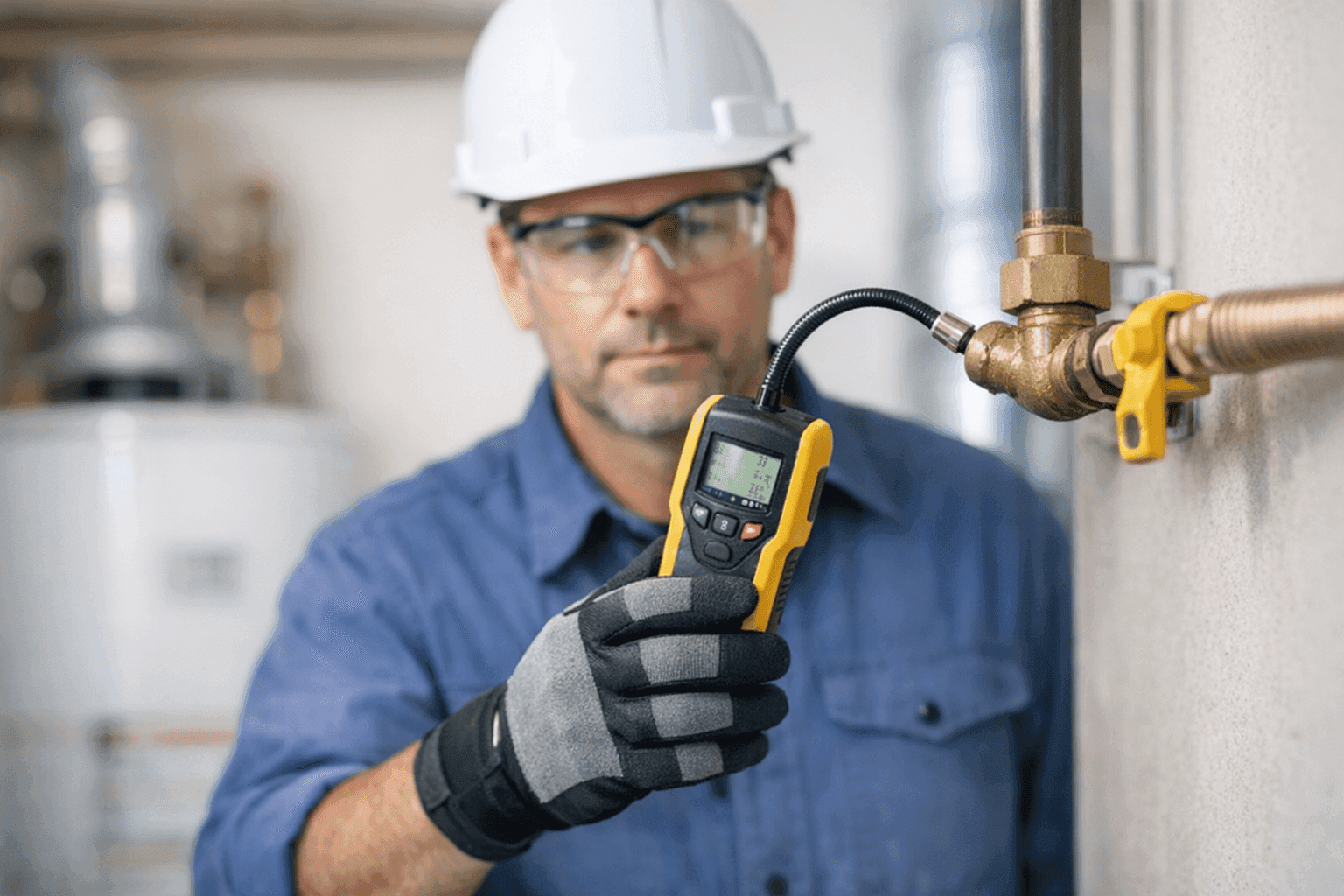
If you’ve ever smelled that sharp, sulfuric odor in your kitchen or basement, you know how unsettling it can be. Gas lines keep our homes warm, our meals cooked, and our water hot—but when something goes wrong, the risks become immediate. At Julius La Rosa Plumbing, we understand how stressful gas issues feel, and we’re here to help you keep your family and home safe.
Gas safety isn’t just a box to check. It’s a daily reality for homeowners, woven into the fabric of every warm shower and home-cooked meal. Let’s break down what you need to know—without the jargon, just real guidance you can use.
Why Gas Line Safety Matters 🛑
Natural gas powers so much in our homes, but it’s invisible and, when leaking, incredibly dangerous. A gas leak is like an invisible snake—silent, hard to spot, but potentially deadly if ignored. The consequences range from health problems to fires or explosions.
- Health risks: Breathing in gas can cause headaches, dizziness, or worse.
- Fire hazards: Gas is highly flammable. Even a small spark can set off a disaster.
- Property damage: Explosions or fires can destroy homes in seconds.
The U.S. Consumer Product Safety Commission and National Fire Protection Association both stress the importance of routine gas line safety inspections. Regular checks help catch small issues before they become big emergencies.
Signs of Gas Leaks
Gas leaks rarely announce themselves with a trumpet. Instead, they whisper—through subtle signs that are easy to miss if you’re not paying attention.
Watch for:
- Rotten egg smell: Utilities add this scent to help you detect leaks.
- Hissing or whistling sounds: Especially near gas appliances or pipes.
- Dead houseplants: Gas can suffocate roots, causing plants to wilt unexpectedly.
- Bubbles in standing water: Indicates gas escaping underground.
- Physical symptoms: Headaches, nausea, dizziness, or nosebleeds when indoors.
If you spot any of these, don’t wait. Take action immediately.
Emergency Steps for Gas Issues 🚨
A gas leak isn’t the time for hesitation. Think of it like a fire drill—quick, clear steps can keep everyone safe.
- Get out fast. Don’t try to find the leak. Leave doors open as you exit.
- Don’t use electronics. No lights, phones, or anything that could spark.
- Call for help. From outside, dial 911 and your gas company.
- Keep others away. Warn neighbors if you’re in a multi-unit building.
If you’re in an area that offers Bridgeport gas line services, local professionals can respond quickly and know the codes specific to your community.
Quick Safety Checklist
Staying safe starts with simple habits. Run through this list monthly:
- Inspect visible gas lines for rust or corrosion.
- Make sure appliance connections are tight.
- Know where your gas shutoff valve is and how to use it.
- Keep the area around gas meters clear.
- Schedule regular gas safety checks to catch hidden problems.
DIY vs. Call a Pro
Some home fixes are weekend projects. Gas lines are not. Trying to patch a gas line with tape or sealant is like using a bandage on a leaky dam—dangerous and temporary.
- DIY: Tightening a loose stove connection (if you’re 100% certain it’s safe) or relighting a pilot light (only if manufacturer instructions say it’s safe).
- Call a professional: For anything involving pipe repairs, new lines, or unexplained odors.
Licensed plumbers use specialized tools to test for leaks and pressure loss. They also know local codes, which protect your home and insurance coverage.
What Pros Do on Arrival
When a professional arrives, they don’t just eyeball the problem. Here’s what you can expect:
- Use of gas detectors to locate leaks.
- Pressure testing the system for hidden issues.
- Inspection of all connections, joints, and shutoff valves.
- Recommendations for repair or replacement.
- Ensuring compliance with building codes and safety standards.
If you’re thinking about upgrades or renovations, consider gas line installation by certified professionals. Proper setup prevents future problems and keeps your appliances running efficiently.
Prevention & Maintenance
Like oiling a squeaky hinge, small acts of prevention save big headaches later. Here’s how to keep your gas system in top shape:
- Schedule annual inspections.
- Replace old, corroded pipes.
- Don’t store flammable items near gas lines.
- Install carbon monoxide detectors in key areas.
- Upgrade aging appliances before they become safety risks.
The International Fuel Gas Code recommends inspections whenever you buy a new home, remodel, or notice unusual appliance behavior.
Costs & Time Factors
Gas line repairs aren’t one-size-fits-all. Costs depend on the age of your pipes, the complexity of your system, and how quickly you catch the problem.
- Minor repairs: Can often be completed in a few hours.
- Major replacements: May take a day or more, especially if walls or floors need to be accessed.
- Preventative maintenance: Typically quick and affordable—much less than emergency repairs.
Remember, investing in safety is always less expensive than dealing with the aftermath of an accident.
When It’s an Emergency
Not all plumbing problems can wait, and gas issues top the list. If you ever feel unsure—leave and call for help. Local support is available for gas line safety in Bridgeport and surrounding areas, ensuring you’re never alone in a crisis.
Common Mistakes Homeowners Make ⚠️
Mistakes happen, but with gas lines, they can be costly or even deadly. Here are a few to avoid:
- Ignoring that faint gas smell.
- Covering up or painting over gas pipes.
- Blocking access to shutoff valves.
- Using flexible connectors not rated for gas.
- Attempting DIY repairs without training.
If you’re ever in doubt, err on the side of caution and call a licensed plumber.
Timeline & Disruption: What to Expect
Worried about the mess and hassle? Most gas line checks or repairs cause minimal disruption. Experienced plumbers work quickly and cleanly, often finishing the job with little trace left behind—except peace of mind.
- Simple checks: Usually under an hour.
- Repairs: A few hours to a day, depending on access and pipe condition.
- Appliance upgrades: Can often be coordinated with other plumbing tasks, like Garbage Disposal Repair near you.
Seasonal Considerations
Cold snaps and heat waves both put extra strain on gas lines. In winter, pipes can contract and crack. In summer, shifting soil can stress underground lines.
- Schedule pre-season inspections.
- Watch for changes in appliance performance after extreme weather.
- Keep vents and flues clear of snow, leaves, or debris.
FAQ: Gas Line Safety
Q: How often should I have my gas lines checked?
A: At least once a year, or immediately if you notice signs of trouble.
Q: Can I use a gas leak detector from the hardware store?
A: Store-bought detectors can help, but professional gas safety checks catch issues you might miss.
Q: Is it safe to turn the gas back on myself after a leak?
A: Never. Only a licensed technician should restore service after a leak.
Materials & Equipment Used by Pros
Plumbers use more than just wrenches. Gas-safe piping, pressure gauges, leak detection fluid, and approved connectors all play a role. Everything must meet standards set by the American Gas Association and local building codes.
Preparing for Service
Before your appointment:
- Clear the area around gas meters and appliances.
- Write down any symptoms or signs you’ve noticed.
- Make sure someone 18 or older is home.
This helps the plumber work efficiently and spot issues faster.
The Value of Certified Gas Line Services
Your family’s safety is priceless. Certified professionals bring experience, proper tools, and up-to-date knowledge of codes and best practices. They don’t just fix problems—they prevent them.
If you’re due for an inspection or planning a remodel, schedule gas safety checks as part of your home’s regular maintenance routine.
Call Julius La Rosa Plumbing now — or reach us anytime at 855-598-5280 .