Gas Line Installation: What Homeowners Must Know
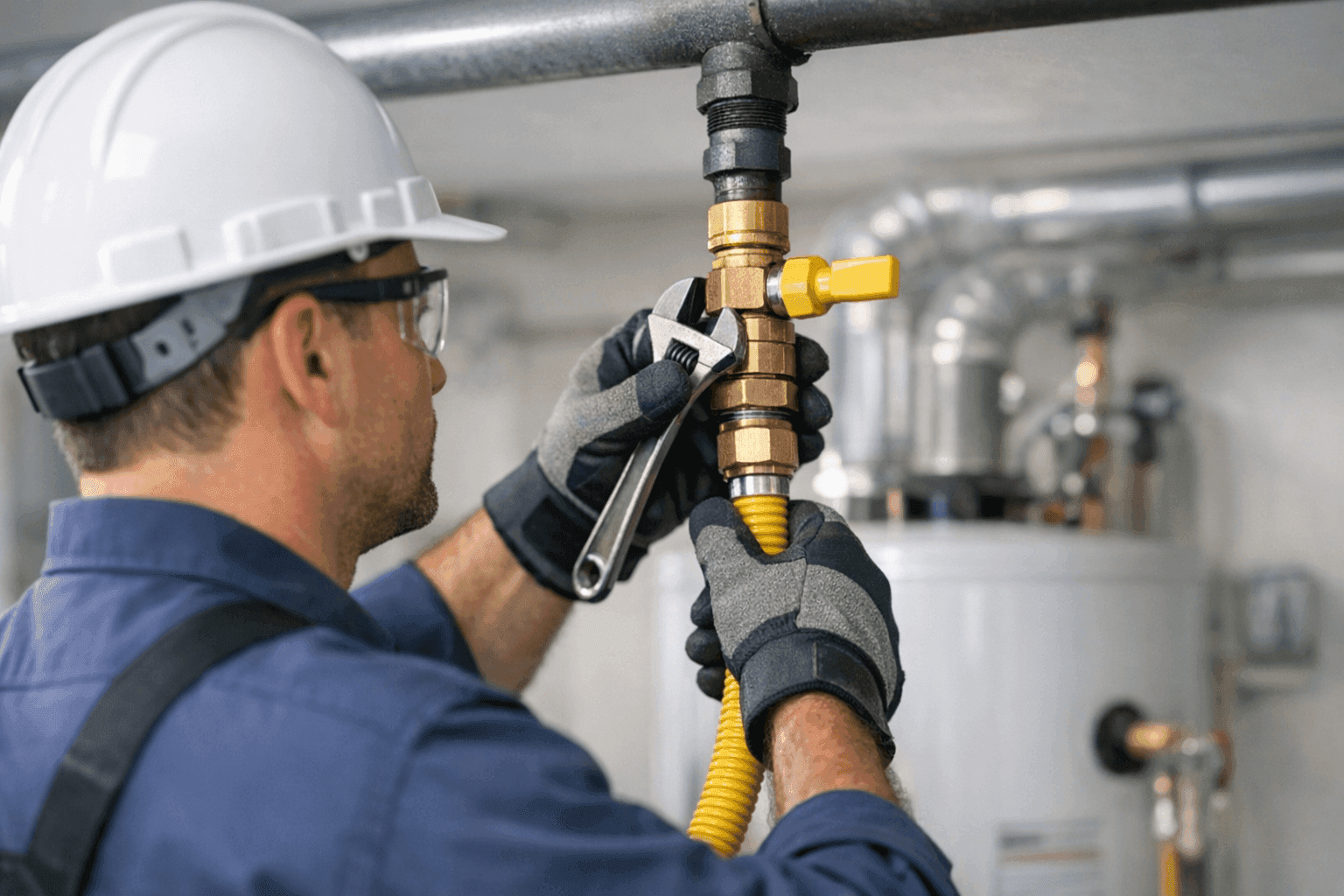
Gas lines are the lifeblood of many homes, fueling everything from stoves to water heaters. But with that power comes a responsibility: ensuring every pipe, joint, and connection is installed with safety as the top priority. The risks are real, but so are the rewards of a well-run system.
At Julius La Rosa Plumbing, we know that a safe gas line is more than just a job—it’s peace of mind for your family. Whether you’re planning a remodel or just want to understand your home’s plumbing, this guide will walk you through the essentials of gas line installation.
When You Need a New Gas Line
Gas lines aren’t something you think about until you have to. Maybe you’re upgrading to a gas stove, adding a new furnace, or extending service to an outdoor grill. These moments demand careful planning.
- New appliances: Switching from electric to gas? You’ll need a new line.
- Home additions: Expanding your kitchen or finishing a basement often requires rerouting or adding gas lines.
- Aging infrastructure: Old, corroded pipes can be a ticking clock. Replacement is safer than waiting for failure.
If you’re unsure whether your project requires gas line installation, it’s always best to ask a licensed plumber before you begin.
Spotting the Signs: When Your Gas Lines Need Attention
Gas lines don’t last forever. Like an old garden hose, they can crack, leak, or rust out. Watch for these warning signs:
- The smell of rotten eggs (added odorant for safety)
- Hissing or whistling near pipes
- Unexplained spikes in your gas bill
- Dead plants or grass above buried lines
- Visible corrosion or damage
Don’t ignore these red flags. Gas leaks are serious and should never be handled alone.
The Installation Process Overview 🛠️
So, what actually happens when you schedule a gas line installation? Here’s how the process typically unfolds:
- Assessment: A licensed plumber inspects your home’s layout, appliance needs, and existing infrastructure.
- Planning: Precise measurements and pipe routing plans are drawn. Safety and code compliance are non-negotiable.
- Permits: Before any work begins, required permits are obtained from your local authority.
- Installation: Pipes are cut, fitted, and sealed. Connections are made with approved materials.
- Testing: The system is pressure-tested for leaks before being put into service.
- Inspection: Local inspectors review the work for compliance.
Expect some disruption—walls or floors may need to be accessed. But a professional will always leave your home safe and tidy.
Safety Codes and Permits: What You Must Know
Every gas line job falls under strict building codes. The National Fuel Gas Code (NFPA 54) sets the standard, and your municipality may have extra rules. Permits aren’t just paperwork—they ensure your installation is reviewed and safe.
- Why it matters: Unpermitted work can void insurance and put your family at risk.
- Inspection: City inspectors check for proper materials, correct pipe sizing, and safe installation.
- Documentation: Keep records of permits and inspections for future home sales or insurance claims.
Cutting corners here is like skipping the seatbelt on a road trip. Don’t do it.
The Dangers of DIY Gas Work
Gas lines are not a weekend project. Even a tiny leak can lead to fire, explosion, or carbon monoxide poisoning. Unlike a leaky faucet, you can’t just tighten things up and hope for the best.
- No shortcuts: Proper installation requires specialized tools and training.
- Insurance: DIY work can void your homeowner’s policy.
- Legal: Unlicensed work is illegal in most states.
Always call a licensed plumber. Your safety—and your neighbors’—depends on it.
Choosing Qualified Installers: What to Look For 🧰
Not all plumbers are created equal. When hiring for gas line work, ask:
- Are you licensed and insured for gas line installation?
- What codes do you follow?
- Can you provide references or proof of recent, similar jobs?
- Do you arrange for permits and inspections?
A reputable company will answer these questions without hesitation. At Julius La Rosa Plumbing, our team is trained to handle every step, from permits to final inspection.
Quick Safety Checklist for Homeowners
Before, during, and after installation, keep these safety basics in mind:
- Only use licensed professionals.
- Never try to repair or move gas lines yourself.
- Know where your main gas shutoff valve is located.
- Install carbon monoxide detectors near sleeping areas.
- Schedule regular gas safety checks.
A little preparation goes a long way in preventing dangerous situations.
What to Expect on Installation Day
When the big day arrives, you’ll want to be ready:
- Clear the work area of furniture and valuables.
- Secure pets and children away from the workspace.
- Expect some noise—cutting and fitting pipes isn’t quiet.
- The plumber may need to shut off gas temporarily.
After installation, you’ll get a walkthrough of the new setup, including how to safely operate shutoff valves.
Understanding Costs and Timelines
No two jobs are the same. Factors that affect cost and timing include:
- Length and complexity of the line
- Type of piping material (steel, copper, CSST, etc.)
- Permitting fees
- Accessibility (finished basements or tight crawlspaces take longer)
A straightforward job can take a few hours. More complex projects may stretch over several days, especially if inspections are required.
Common Mistakes and How to Avoid Them
Some pitfalls are all too common:
- Skipping permits to save time
- Using the wrong pipe material
- Improper sealing of joints
- Failing to pressure-test the system
Trust the process. Each step is there for your safety.
Post-Installation Checks: Staying Safe Over Time 🔍
Gas lines need more than a one-time installation. Regular maintenance is your best defense against leaks or failures. Here’s what to do:
- Schedule annual inspections with a licensed plumber.
- Test carbon monoxide detectors monthly.
- Watch for any signs of trouble—smells, sounds, or unexplained appliance issues.
- Keep the area around your gas meter clear and visible.
Routine care is like changing the oil in your car—simple, but essential.
When It’s an Emergency: What to Do
If you ever suspect a gas leak:
- Leave the house immediately—don’t use lights, phones, or anything electrical.
- Call your gas utility from a safe distance.
- Contact a licensed plumber for emergency repairs.
For homeowners seeking Marlborough gas line services, prompt response is available for urgent situations.
Prevention & Maintenance: Long-Term Peace of Mind
Gas lines aren’t “set it and forget it.” Schedule regular maintenance, especially if your home is older or you’ve recently had work done. The Gas Appliance Manufacturers Association and the National Fire Protection Association both recommend yearly checkups.
Ask your plumber about adding shutoff valves, seismic protection, or upgrading old pipes for extra safety.
Seasonal Considerations: Why Timing Matters
Extreme weather can stress gas lines. Freezing and thawing cycles, heavy rains, or shifting soil all affect buried pipes. If you’re planning a project, spring and fall are often the best times—before winter’s chill or summer’s heat.
Frequently Asked Questions
Can I install a gas line myself?
No. Licensed professionals are required by law and for insurance.
How often should my gas lines be checked?
Annually, or anytime you notice an issue.
Are flexible gas lines safe?
When installed and inspected properly, yes. Always follow manufacturer and code requirements.
What about older homes?
Older pipes may need to be replaced or upgraded to meet current codes.
Final Thoughts: Safe, Reliable Gas for Your Home
A safe gas line is invisible, but its benefits touch every room. From hot showers to home-cooked meals, reliable gas service is a pillar of comfort. Don’t leave it to chance—choose licensed professionals, follow the rules, and stay proactive about safety.
If you’re considering installing a gas line or need routine gas safety checks, Julius La Rosa Plumbing is here to help.
Call Julius La Rosa Plumbing now — or reach us anytime at 855-598-5280 .