The Complete Guide to Fixture Installation for Homeowners
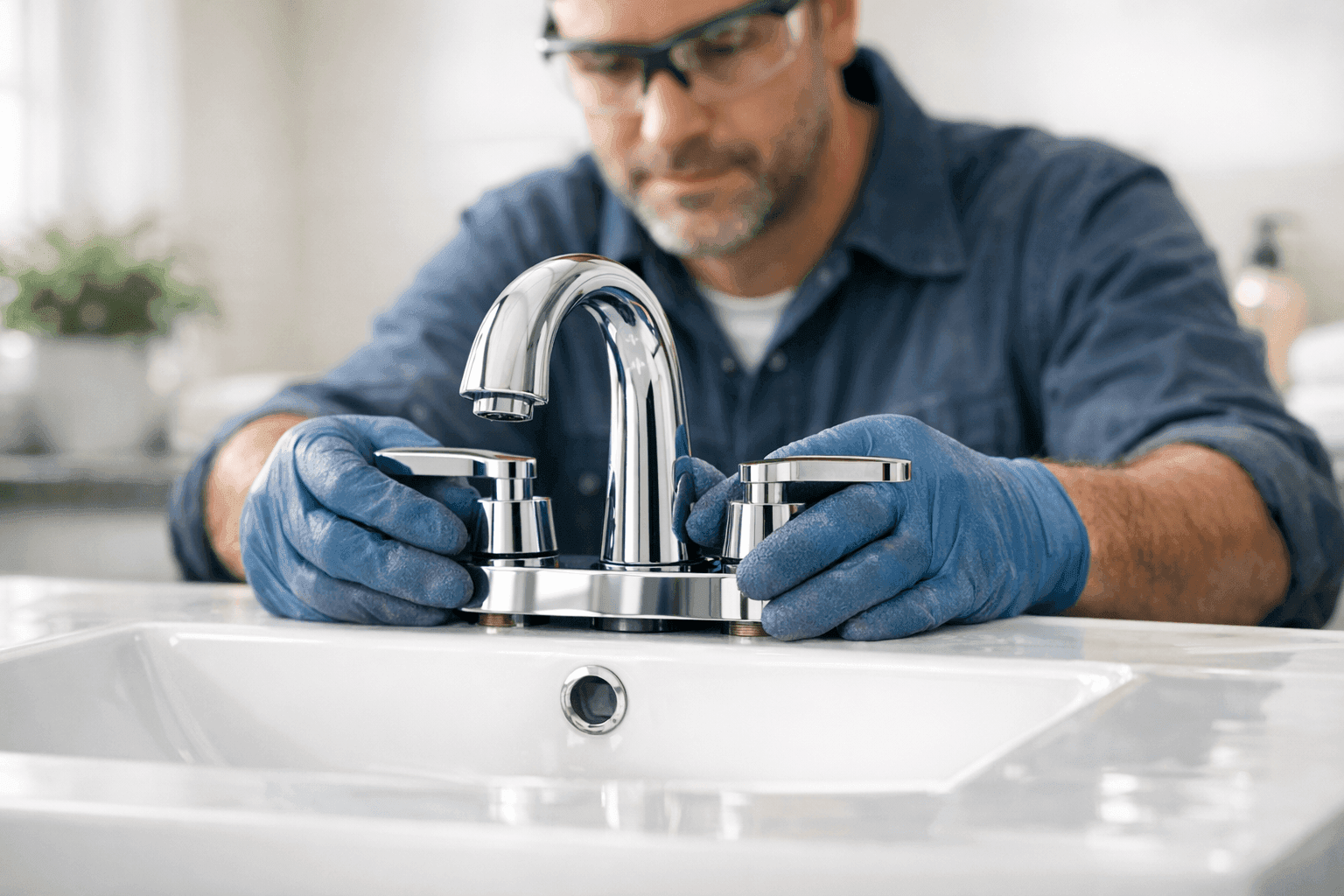
Homeowners know the feeling: a dripping faucet, a loose showerhead, or a toilet that just doesn’t flush right. Sometimes it’s about style, other times it’s about function. Either way, updating your home’s plumbing fixtures can make a world of difference—if you get the installation right.
At Julius La Rosa Plumbing, we see it all. From quick fixes gone wrong to upgrades that transform a bathroom or kitchen, fixture installation is a journey. This guide walks you through the basics, helps you dodge the usual pitfalls, and shows when it’s best to call in a professional.
Types of Fixtures: What’s on Your Upgrade List?
Plumbing fixtures are the touchpoints of your home’s water system. They’re the gears and levers you use every day. Here are the most common ones homeowners tackle:
- Faucets: Kitchen, bathroom, laundry—each with its own quirks.
- Showerheads: From simple sprayers to rain shower luxury.
- Toilets: Low-flow, dual-flush, or classic gravity-fed.
- Sinks: Drop-in, undermount, or pedestal.
- Bathtubs: Freestanding or alcove, sometimes with jets.
- Other essentials: Utility sinks, outdoor spigots, and bidets.
Each fixture comes with its own challenges. Faucets might seem simple, but one wrong twist can mean a slow drip for months. Toilets? Miss a step and you could be mopping up more than water.
Tools and Materials Needed 🛠️
Before you dive in, gather the right tools. Like a chef with the wrong knife, you don’t want to be halfway through and missing a wrench.
Basic Tools:
- Adjustable wrench
- Basin wrench (for hard-to-reach nuts)
- Screwdrivers (Phillips and flat-head)
- Plumber’s tape (Teflon tape)
- Pipe wrench (for older pipes)
- Utility knife
Materials:
- Replacement fixture (faucet, toilet, etc.)
- Supply lines (often sold separately)
- Wax ring (for toilets)
- Plumber’s putty or silicone
- Bucket and towels (for spills)
- Shut-off valves (if old ones are worn)
Safety Gear:
- Gloves (to protect your hands)
- Safety goggles (especially if cutting or drilling)
- Knee pads (for bathroom work)
Having the right gear is half the battle. The rest is patience—and a few pro tips.
Installation Steps: Start to Finish
Every fixture is different, but the basic process follows a rhythm. Here’s a high-level roadmap:
1. Shut Off Water and Power
Always start here. Find the nearest shut-off valve and turn it clockwise. For electric fixtures (like some modern toilets or bidets), switch off the breaker. Never skip this. Water under pressure can turn a small mistake into a geyser.
2. Remove the Old Fixture
- Loosen nuts and bolts carefully.
- Catch drips with a towel or bucket.
- For toilets, sponge out remaining water from the tank and bowl.
- For faucets, disconnect supply lines gently to avoid bending pipes.
3. Prep the Surface
- Clean away old caulk, putty, or debris.
- Inspect for corrosion or damage.
- Make sure mounting surfaces are dry and smooth.
4. Install the New Fixture
- Follow the manufacturer’s instructions—every model is a bit different.
- Use plumber’s tape on threaded connections to prevent leaks.
- Tighten fittings securely, but don’t overdo it. Think “firm handshake,” not “bear hug.”
5. Connect Supply Lines
- Attach new or cleaned supply hoses.
- Double-check for cross-threading.
- Use two wrenches to avoid twisting pipes.
6. Turn Water (and Power) Back On
- Open valves slowly.
- Watch for leaks around every joint.
- For toilets, flush several times to test.
- For faucets, run both hot and cold.
7. Seal and Test
- Apply caulk or putty as needed.
- Wipe away excess.
- Test for leaks again after a few hours.
If you’re installing fixtures for the first time, consider reading up on local plumbing codes. The International Association of Plumbing and Mechanical Officials (IAPMO) and your municipal building department are good resources.
Avoiding Leaks: The Invisible Enemy
A drip may seem harmless, but over time, it can erode pipes, ruin cabinets, and spike your water bill. Here’s how to keep leaks at bay:
- Use plumber’s tape on every threaded fitting.
- Check washers and gaskets—replace if worn.
- Don’t overtighten—crushed washers can leak.
- Test under pressure—run water for several minutes.
Leaks can hide, so check under sinks and behind toilets for dampness or musty smells. If you notice persistent moisture, it’s time for a closer look.
Common Pitfalls and How to Dodge Them
Fixture installation seems straightforward—until it isn’t. Watch out for these tripwires:
- Skipping the shut-off: Water everywhere.
- Forgetting to level: Crooked faucets and wobbly toilets.
- Reusing old supply lines: They can crack and leak.
- Mismatched parts: Not all fixtures fit every setup.
- Ignoring manufacturer instructions: They’re there for a reason.
If you’re unsure, take a photo before disassembly. It’s a simple trick that saves headaches later.
Quick Safety Checklist Before You Begin
- Confirm water and power are off.
- Ventilate the area, especially if working with gas lines.
- Use gloves and goggles.
- Keep children and pets away from the work zone.
- Know where your main shut-off valve is—just in case.
Gas connections add another layer of risk. If you smell gas or feel unsure, stop immediately and contact a licensed plumber. The National Fire Protection Association (NFPA) provides guidelines on safe gas appliance installation.
Water and Gas Connections: Handle With Care
Water is forgiving—a towel usually fixes the mess. Gas is not. Gas leaks are invisible and dangerous. Only attempt gas fixture installation if you have proper training and permits.
- Use approved flexible gas connectors.
- Apply gas-rated thread sealant, not plumber’s tape.
- Test for leaks with a soapy water solution—bubbles mean trouble.
If in doubt, leave gas work to professionals. Safety isn’t just a guideline—it’s the rule.
DIY vs. When to Call a Pro
Some fixtures are great for DIY. Others? Not so much. Here’s a quick breakdown:
DIY-Friendly:
- Replacing showerheads
- Swapping out faucets (if supply lines are in good shape)
- Installing new sink aerators
Better Left to Pros:
- Toilet installation (especially on upper floors)
- Gas appliance hookups
- Complex under-sink assemblies
- Major leak repairs
If you want a seamless, stress-free upgrade, consider fixture installation services from licensed professionals.
How Long Does Fixture Installation Take?
A simple faucet swap might take an hour. A toilet? Two to three, especially if you run into old bolts or corroded pipes. Allow for extra time if you’re learning as you go. Rushing leads to mistakes—and mistakes can mean water damage.
Expect some disruption, especially if you’re working in a busy kitchen or only bathroom. Plan ahead so you’re not left without water when you need it most.
Signs It’s Time for an Upgrade
- Persistent leaks, even after repairs
- Rust or mineral buildup
- Loose handles or wobbly bases
- Outdated style or poor water efficiency
- Strange noises when turning on taps
Modern fixtures can save water, reduce utility bills, and add a fresh look to your space.
Preventative Maintenance: Keeping Fixtures Fresh
Once your new fixture is in, a little care goes a long way:
- Clean aerators and showerheads to prevent clogs.
- Check supply lines every few months for signs of wear.
- Tighten loose handles or mounting bolts.
- Use gentle cleaners—harsh chemicals can damage finishes.
Preventative maintenance beats emergency repairs every time.
When It’s an Emergency: Don’t Wait
Some situations can’t wait. Burst pipes, major leaks, or gas smells require immediate action. If you’re in need of urgent help, Clifton plumbing services are available for local homeowners.
If water is flooding or you suspect a gas leak, shut off the main valves and call for help right away.
Warranty Notes and Professional Standards
Many fixture manufacturers require professional installation to keep warranties valid. Save your receipts and document the process. Licensed plumbers follow local codes, use approved materials, and carry insurance—giving you peace of mind that DIY can’t match.
Frequently Asked Questions
Do I need a permit to install a new toilet or faucet?
In most areas, minor fixture replacements don’t require permits, but major changes or gas work often do. Check with your local building department.
Can I reuse my old supply lines?
It’s safer to use new ones. Old lines can crack or leak after being disturbed.
What if I find mold or water damage?
Stop and assess. Mold indicates a long-term leak. You may need remediation before installing the new fixture.
How do I dispose of the old fixture?
Many municipalities offer recycling or bulk pickup. Don’t toss it in the regular trash—check local guidelines.
Final Thoughts: Upgrade With Confidence
Installing new fixtures can be rewarding, but it’s not without challenges. Take your time, follow safety steps, and don’t hesitate to call in the pros for tricky jobs. Whether you’re refreshing a bathroom, updating a kitchen, or tackling a nagging leak, the right approach makes all the difference.
Call Julius La Rosa Plumbing now — or reach us anytime at 855-598-5280 .