Everything You Need to Know About Water Pressure Regulators
Is your shower a gentle drizzle one day and a firehose the next? Maybe you’ve heard pipes knocking or noticed faucets sputtering. These are classic signs your home’s water pressure isn’t playing nice. At Julius La Rosa Plumbing, we know how confusing—and sometimes urgent—these problems can feel.
Water pressure regulators are the unsung heroes of residential plumbing. They keep your pipes, fixtures, and appliances safe from damage caused by pressure that’s too high or too low. Let’s break down what you need to know, so your home stays comfortable and your plumbing doesn’t spring any surprises.
What Is a Water Pressure Regulator? 🛠️
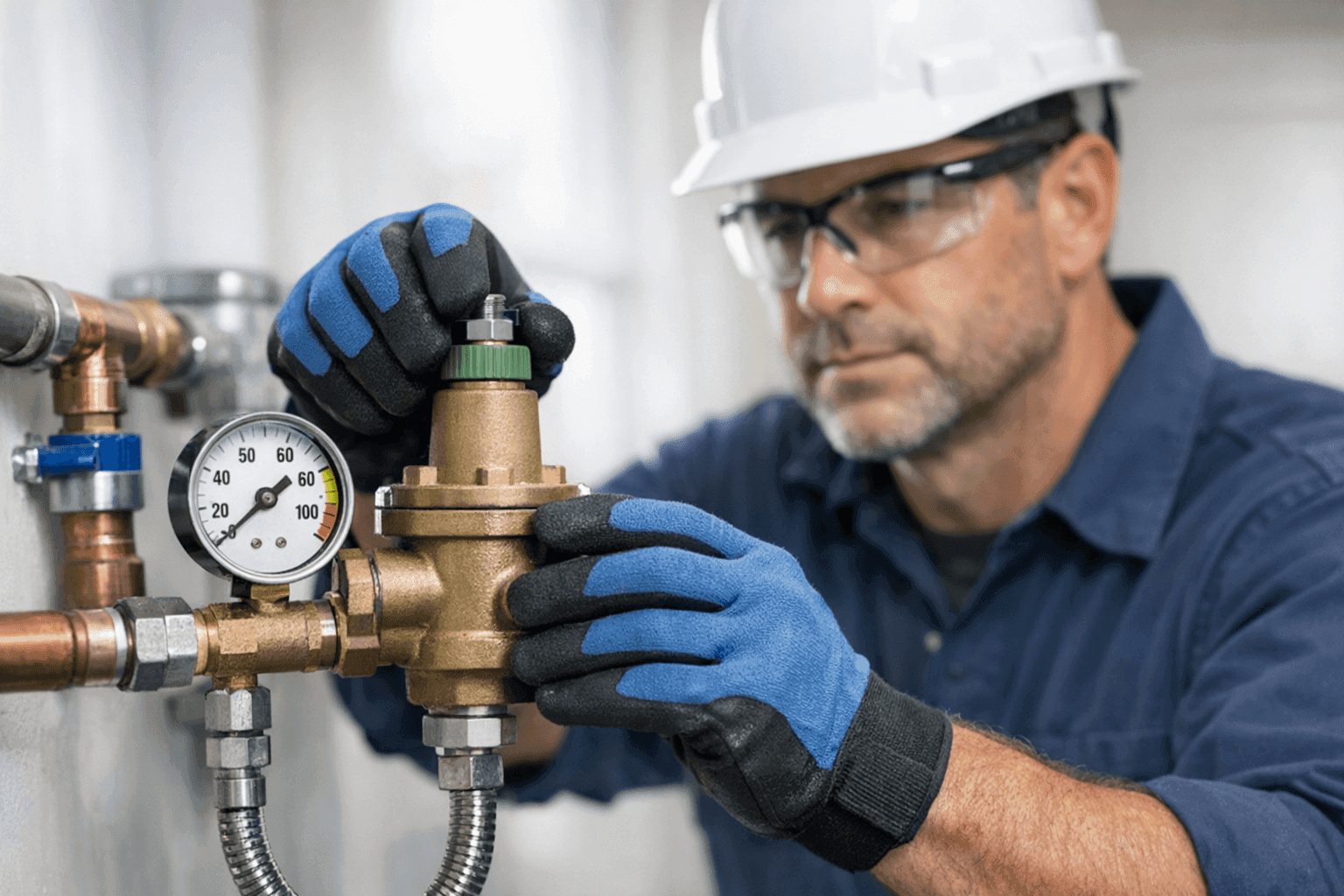
Picture a crossing guard for your water supply. A water pressure regulator sits at the point where water enters your home, controlling how much force flows through your pipes. It’s a mechanical valve, usually bell-shaped and made of brass, that automatically reduces incoming water pressure to a safe, steady level.
Without a regulator, your plumbing system is at the mercy of municipal supply surges or pressure changes. Regulators are especially crucial if your home’s pressure regularly spikes above 80 psi (pounds per square inch)—a limit set by the International Plumbing Code to prevent leaks and fixture damage.
Why Regulate Water Pressure?
Think of your plumbing like a garden hose. Turn the tap full blast, and the hose might whip around—maybe even burst. The same thing can happen inside your walls if water pressure is too high. Here’s why regulation matters:
- Prevents leaks and pipe bursts: High pressure stresses joints and seals, making leaks more likely.
- Protects appliances: Dishwashers, washing machines, and water heaters all last longer with steady pressure.
- Reduces wasted water: High pressure means more water flows out with every use, raising your bill.
- Keeps fixtures working: Faucets and toilets can malfunction or wear out faster under pressure extremes.
If you’re dealing with persistent water pressure issues, a regulator might be the missing piece.
Signs Your Water Pressure Needs Attention
Water pressure problems are sneaky. Here’s what to watch for:
- Banging or clanging pipes (known as “water hammer”)
- Sudden drop or spike in pressure at faucets
- Leaky hose bibs or dripping faucets
- Toilets that run or refill slowly
- Appliances failing before their time
If you notice any of these, don’t ignore them. The longer you wait, the higher the risk of hidden damage.
How Regulators Are Installed
Installing a water pressure regulator isn’t a casual Saturday DIY. The process involves:
- Shutting off the main water supply (usually at the meter or main valve).
- Cutting into the main supply line—often copper, PEX, or galvanized steel.
- Fitting the regulator in the correct orientation (look for the arrow showing water flow direction).
- Securing joints with proper fittings and leak-proof connections.
- Testing the system to ensure the regulator is set to the desired pressure (typically 50–60 psi for homes).
The work must meet local plumbing codes. In New Hampshire, for example, the State Plumbing Code (based on the International Plumbing Code) requires pressure-reducing valves when supply pressure exceeds safe limits.
Quick Safety Checklist ✅
Before you touch anything, remember:
- Always shut off power to electric water heaters before working on water lines.
- Wear eye protection if you’re cutting pipe.
- Use the right tools—pipe cutters, wrenches, and thread sealant.
- If you’re unsure, call a licensed plumber. Mistakes can cause leaks or water damage.
DIY vs. Calling a Pro
A pressure regulator might look simple, but installation can be tricky. Mistakes lead to leaks, code violations, or even a voided home insurance claim. Homeowners with advanced plumbing skills and the right tools might tackle it, but most people are better off calling a professional.
If your pressure woes are linked to corroded or leaky pipes, you might need pipe repair services alongside a new regulator.
What Pros Do On Arrival
When a Julius La Rosa Plumbing technician arrives, here’s what you can expect:
- Assessment: We’ll check your system’s current pressure, inspect for leaks, and look for signs of pipe damage.
- Code compliance: Installations follow local plumbing code and manufacturer instructions.
- Testing: After installation, we’ll test every major fixture, adjust pressure as needed, and check for leaks.
- Cleanup: We leave your home as tidy as we found it—no muddy footprints or stray parts.
Prevention & Maintenance Tips
A water pressure regulator isn’t “set and forget.” Here’s how to keep things running smoothly:
- Check pressure annually with a gauge (available at hardware stores).
- Look for slow leaks at the regulator and main shutoff valve.
- Schedule preventative maintenance with a licensed plumber every few years.
- Replace aging regulators every 7–12 years, or sooner if you notice performance changes.
Costs & Time Factors
Regulator installation costs depend on:
- Accessibility of your main water line
- Pipe material and size
- Whether old pipes need repair or replacement
Most installations take 1–3 hours. The part itself ranges from $60–$150, but labor and any required pipe work add to the total.
When It’s an Emergency 🚨
If you spot a sudden, major leak or your pipes start making loud banging noises, shut off your main water supply immediately. Water damage can happen fast. In urgent situations, Nashua plumbing services are available to help get things under control quickly and safely.
Common Mistakes to Avoid
- Skipping the pressure test: Always check with a gauge after installation.
- Ignoring code requirements: Regulators must be installed on the main line, not just at individual fixtures.
- Using the wrong size: Undersized regulators restrict flow; oversized ones may not control pressure properly.
- Forgetting about thermal expansion: If you have a closed plumbing system, consider an expansion tank to prevent pressure spikes.
Timeline & Disruption
Most homes can have a regulator installed in half a day. Water will be off during the work, so plan ahead—fill pitchers, flush toilets, and let family members know.
Materials & Equipment
A proper installation uses:
- Brass or stainless-steel pressure regulator
- Pipe cutters and wrenches
- Teflon tape or pipe dope for threaded fittings
- Pressure gauge for testing
- Replacement pipe and fittings, if needed
Professionals will also have leak detectors and specialty tools for tricky setups.
Seasonal Considerations
Winter can be tough on plumbing. Pressure regulators help prevent pipe bursts caused by freezing and thawing. In spring, high demand on municipal water lines can cause sudden pressure shifts—another reason to check your regulator.
Frequently Asked Questions
How do I know if I need a regulator?
If your water pressure exceeds 80 psi, or you notice frequent leaks, you likely need one.
Can regulators fail?
Yes—over time, internal parts wear out. Signs of failure include fluctuating pressure, leaks, or no change in pressure when you adjust the valve.
Are regulators required by law?
Most local plumbing codes require them if supply pressure is above a set limit (usually 80 psi). Always check your area’s rules.
When to Call a Pro
If you’re not confident with plumbing tools, or if your home has old or complex piping, it’s safest to call in the professionals. Local Nashua plumbers know the building codes and have the tools to handle tricky installations without surprises.
Call Julius La Rosa Plumbing now — or reach us anytime at 855-598-5280 .