Emergency Plumbing: What to Do Before Help Arrives
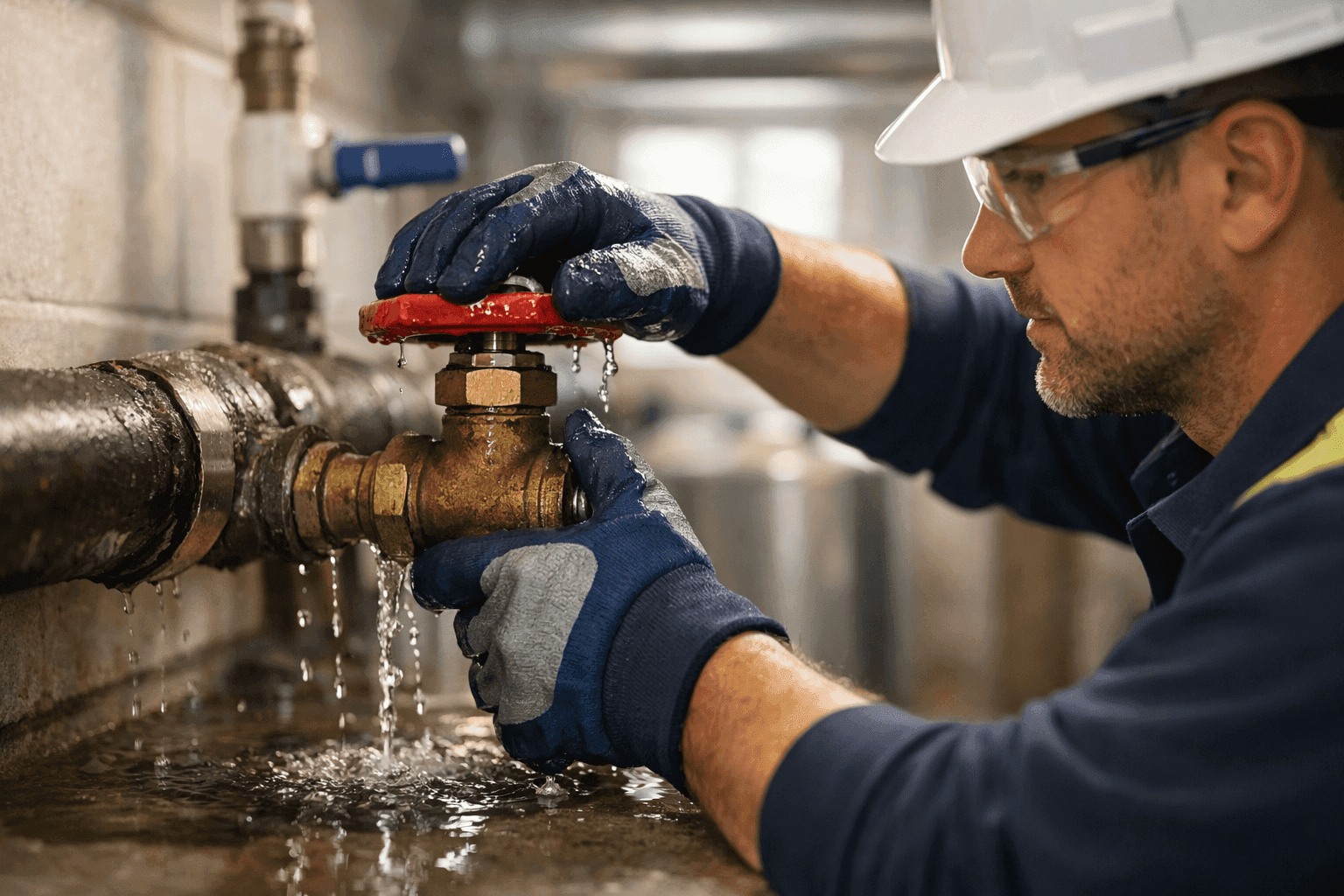
When a pipe bursts or a toilet overflows, panic can set in fast. Water is everywhere, and you’re left wondering what to do first. At Julius La Rosa Plumbing, we know the first moments of a plumbing emergency matter most. The right steps can mean the difference between a quick fix and thousands in repairs.
You don’t need to be a plumbing pro to take smart action. With a clear plan, you can contain the chaos, protect your home, and keep everyone safe until help arrives.
Common Plumbing Emergencies: What Can Go Wrong?
Plumbing problems can strike in the blink of an eye. Some are obvious, like water gushing from a pipe or a toilet that refuses to stop running. Others creep up, such as a slow leak under the sink. Here are some of the most common emergencies homeowners face:
- Burst pipes (especially in winter)
- Overflowing toilets
- Blocked drains causing backflow
- Water heater leaks or failures
- Major leaks from washing machine hoses
- Gas line smells or suspected leaks
- Sump pump failures during storms
Each scenario can cause significant damage if not handled swiftly. Knowing what you’re up against is the first step to staying calm.
Emergency Shut-Off Procedures: The First Line of Defense 🚰
Think of your main water shut-off like a fire extinguisher—it’s your go-to in a crisis. If water is flooding, head straight for it. Most are found in basements, crawl spaces, or near the water meter. Turn the valve clockwise (righty-tighty) to stop the flow.
For smaller issues, like a leaking toilet or sink, use the local shut-off valves. These are usually located right behind the fixture. If you suspect a gas leak (rotten egg smell), leave the house immediately and call your utility provider or 911 before anything else.
Containing Water Damage: Every Second Counts
Water moves fast. So should you. Grab towels, buckets, or even old blankets to soak up pooling water. Move electronics, furniture, and valuables to higher ground. Open windows if weather allows, to help air out damp spaces.
If the leak is from above, poke a small hole in a bulging ceiling bubble to let water drain safely into a bucket. This can prevent a sudden collapse. Just be sure you’re not standing directly underneath.
Safety Protocols: Protecting People First ⚠️
Electricity and water are a dangerous mix. If water is near outlets, appliances, or your fuse box, shut off the power at the breaker—only if it’s safe to do so. Never wade through standing water if there’s any risk of electrical shock.
Keep children and pets away from flooded areas. If you smell gas, evacuate immediately and don’t use your phone or flip any switches inside the house.
When to Call an Expert: Recognizing the Red Flags
Some plumbing issues can’t wait. Call for emergency plumbing services right away if:
- Water won’t stop after you shut off a fixture valve
- You see signs of sewage backing up (bad smells, gurgling drains)
- Pipes have burst or are spraying water
- There’s any suspicion of a gas leak
- Your water heater is leaking or making strange noises
If you’re looking for fast, reliable plumbing services in Oshkosh, help is always close by.
Quick Safety Checklist: What to Do Right Now
- Shut off water at the source
- Unplug nearby electronics (if dry and safe)
- Move valuables out of harm’s way
- Use towels or buckets to manage leaks
- Keep everyone clear of danger zones
- Call for professional help
Having these steps memorized is like knowing where your flashlight is during a blackout.
DIY vs. Call a Pro: Knowing Your Limits
Some fixes are simple, like tightening a loose faucet handle or plunging a toilet. But if you’re facing a mystery leak, water gushing from a wall, or a failed sump pump during a storm, it’s time to pick up the phone.
Trying to repair a burst pipe or gas line without the right tools or expertise can make things worse. Plumbers are trained to spot hidden damage and ensure repairs meet code—keeping your home safe.
What Pros Do On Arrival: Setting Expectations
When the plumber arrives, they’ll assess the scene, locate the source, and get to work stopping the flow. Expect questions about what happened, when you noticed the problem, and what steps you’ve already taken.
They may use moisture meters, cameras, or leak detection equipment to find hidden issues. Repairs might be immediate, or they may need to return with parts if the damage is extensive.
Prevention & Maintenance: Stopping Emergencies Before They Start 🛠️
A little prevention goes a long way. Here’s how to keep plumbing disasters at bay:
- Insulate pipes before winter to prevent freezing
- Schedule annual plumbing inspections
- Replace old hoses on washing machines and dishwashers
- Test your sump pump before storm season
- Know where your main shut-off valve is (and label it!)
The International Association of Plumbing and Mechanical Officials (IAPMO) recommends regular checks to keep your plumbing healthy.
Costs & Time Factors: What to Expect
Emergency plumbing repairs can be costly, especially after-hours or on holidays. The sooner you act, the less damage (and cost) you’ll face. Most visits last one to three hours, depending on the issue.
Keep in mind, some repairs—like repiping or major sewer line work—may take longer and require follow-up visits.
When It’s an Emergency: Don’t Wait
If water is spreading fast, sewage is backing up, or you’re worried about safety, don’t hesitate. Even a small leak can cause mold, rot, and expensive repairs if left unchecked.
For urgent issues like hidden leaks, leak repair services can stop the problem before it gets out of hand.
Seasonal Considerations: Storms, Freezes, and After-Hours Incidents ❄️
Winter brings frozen pipes. Heavy rain can overwhelm sump pumps. Plumbing emergencies don’t check the clock—they happen at midnight, during holidays, and in the middle of storms.
If you know a freeze or storm is coming:
- Let faucets drip to keep water moving
- Clear gutters and downspouts
- Test your sump pump
- Keep emergency numbers handy
Local resources, like building codes and weather alerts, can help you stay prepared for seasonal threats.
Common Mistakes to Avoid
- Waiting too long to call for help
- Using duct tape as a “permanent” fix
- Ignoring small leaks
- Pouring harsh chemicals down drains (they can corrode pipes)
- Forgetting to turn off the power in a flood
Remember: quick, careful action beats panic every time.
Signs of Trouble: Spotting Problems Early
Watch for these warning signs:
- Water stains on ceilings or walls
- Unexplained spikes in your water bill
- Musty odors near drains or under sinks
- Slow drains or frequent clogs
- Low water pressure
Catching these early can save you from a major headache later.
Timeline & Disruption: How Long Will This Take?
Minor repairs may be resolved in under an hour. Major leaks, repiping, or sewer issues can take longer. Your plumber will explain the timeline and any steps you’ll need to take, like shutting off water or moving belongings.
Be prepared for some noise, water shut-offs, or temporary inconvenience while repairs are underway.
Materials & Equipment: What You’ll Need on Hand
Keep these basics in your emergency kit:
- Flashlight and batteries
- Towels and buckets
- Adjustable wrench (for shut-off valves)
- Plunger
- Duct tape (for temporary fixes only)
- List of emergency contacts
Having these at the ready makes a stressful situation much more manageable.
FAQ: Your Emergency Plumbing Questions Answered
Q: Can I use my plumbing if only one fixture is leaking?
A: If you’ve shut off water to that fixture and the leak has stopped, you can usually use other parts of the system—but monitor closely.
Q: What should I do if I can’t find the main shut-off?
A: Look near your water meter, basement, or where the main line enters your home. If you’re unsure, ask your plumber to show you during your next maintenance visit.
Q: Is it safe to try DIY leak repairs?
A: Small fixes (like tightening a fitting) are fine, but for anything more, you’re better off waiting for the pros.
Call Julius La Rosa Plumbing now — or reach us anytime at 855-598-5280 .