Eco-Friendly Plumbing: Tips to Save Water and Energy at Home
Every drop counts. That’s not just a saying—it’s the reality for homeowners watching their utility bills climb and feeling the pinch of drought or rising energy costs. At Julius La Rosa Plumbing, we see firsthand how a few smart changes can lighten your footprint and your expenses.
Eco-friendly plumbing isn’t just for the ultra-green. It’s practical, often simple, and pays off in comfort, savings, and peace of mind. Let’s walk through the best ways to make your plumbing system work for the planet and your wallet.
The Case for Eco-Friendly Plumbing
Imagine your home as a living, breathing body. Water is its lifeblood; pipes are the veins. When you waste water or energy, it’s like letting that lifeblood leak away. The EPA estimates that the average household can waste nearly 10,000 gallons of water a year due to leaks alone. That’s enough to fill a backyard pool.
Eco-upgrades are more than trendy—they’re smart investments that meet WaterSense and ENERGY STAR standards, recognized benchmarks for efficiency and performance.
Low-Flow Fixtures: Small Changes, Big Impact 🚿
Swapping out your old showerheads, faucets, and toilets for low-flow models is like trading a gas-guzzler for a hybrid. You get the same comfort, but with a fraction of the waste.
- Low-flow showerheads: Use less than 2 gallons per minute (gpm), compared to older models that can use 5 gpm.
- WaterSense toilets: Use 1.28 gallons per flush or less, saving thousands of gallons annually.
- Aerated faucets: Mix air with water, reducing flow without sacrificing pressure.
These upgrades not only meet EPA WaterSense criteria but also qualify for rebates in many areas. Installation is usually quick—sometimes as easy as twisting on a new fixture.
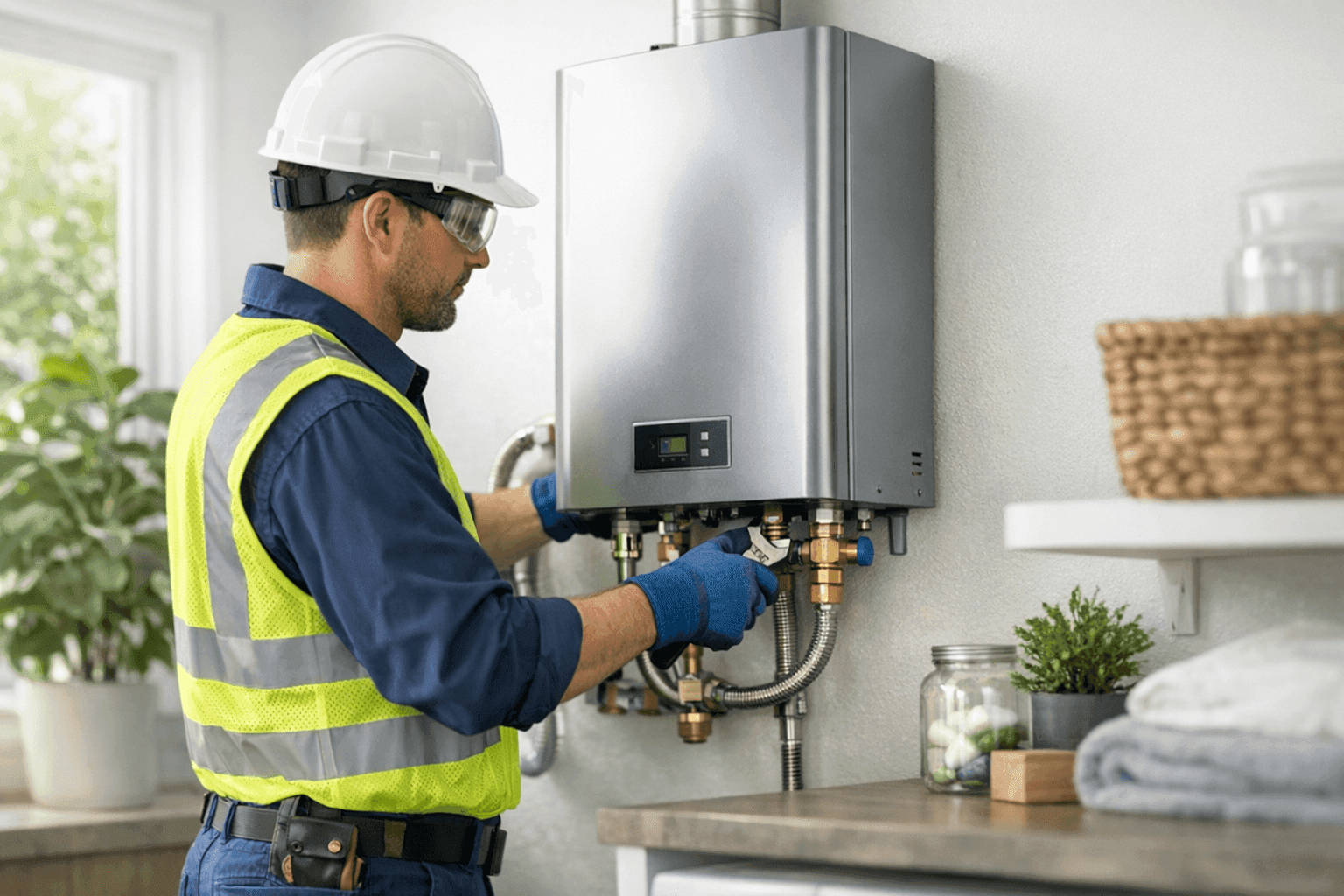
Tankless Water Heaters: Hot Water on Demand
Traditional water heaters are like leaving the oven on all day just in case you want cookies. Tankless models heat water only when you need it, slashing standby energy loss.
Benefits:
- 24–34% more energy efficient for homes using less than 41 gallons of hot water daily (per U.S. Department of Energy).
- Endless hot water supply.
- Compact design saves space.
While the upfront cost is higher, the long-term savings and reduced carbon footprint make tankless heaters a favorite eco-upgrade.
Leak Detection: Stop the Drip, Save a Fortune
A leaky faucet may seem harmless, but one drip per second can waste over 3,000 gallons a year. Hidden leaks in walls or underground pipes can do even more damage—both to your water bill and your home.
Smart leak detectors use sensors and Wi-Fi to alert you at the first sign of trouble. Some can even shut off water automatically. For peace of mind and major savings, consider professional leak detection services to catch problems before they spiral.
Greywater Systems: Recycling Water at Home ♻️
Greywater—gently used water from sinks, showers, and laundry—can be safely reused for landscape irrigation or toilet flushing. Think of it as giving your water a second life before it goes down the drain.
Key points:
- Reduces freshwater demand.
- Keeps gardens green during dry spells.
- Must meet local plumbing codes (check with your municipality).
Systems range from simple diverters to engineered setups with filtration and storage tanks.
Water Filtration: Cleaner Water, Less Waste
Bottled water is out; in-home filtration is in. Installing a water filtration system improves taste and safety, and slashes plastic waste. Reverse osmosis, carbon filters, and whole-house systems are common options. Look for NSF/ANSI certifications to ensure quality.
Filtered water means fewer contaminants—and fewer reasons to buy single-use bottles.
Preventative Maintenance: Keep It Flowing
Routine plumbing checkups are like oil changes for your car. They catch little issues before they become wallet-draining disasters.
- Inspect for leaks under sinks and behind appliances.
- Test water pressure (too high can stress pipes, too low hints at problems).
- Clean aerators and showerheads to prevent mineral buildup.
Annual inspections by a licensed plumber keep your system running smoothly and efficiently.
Insulate Pipes: Warmth Where It Matters
Uninsulated pipes lose heat fast—especially in cold climates. Wrapping pipes with foam insulation is a simple weekend project that keeps hot water hotter, faster. The Department of Energy recommends insulating hot water lines to save energy and reduce wait times at the tap.
Smart Plumbing Tech: Control at Your Fingertips
Today’s smart home tech isn’t just for lights and thermostats. Smart water monitors, leak sensors, and remote shut-off valves put control in your hands.
- Get instant alerts for leaks or unusual usage.
- Shut off water remotely during vacations.
- Track water consumption for better habits.
These devices often integrate with home security systems and can be set up to meet modern building codes.
Garbage Disposal: Green Habits in the Kitchen
Your garbage disposal can be a friend or foe to the environment. Use it wisely:
- Avoid grinding fibrous foods or grease.
- Compost food scraps when possible.
- Run cold water before and after use to keep things moving.
If your disposal jams or leaks, prompt Garbage Disposal Repair near you is available for local homeowners seeking Portland plumbing services.
Daily Habits for Water and Energy Savings
Eco-friendly plumbing isn’t just about hardware—it’s about habits:
- Turn off the tap while brushing teeth.
- Run full loads in dishwashers and washing machines.
- Fix drips as soon as you spot them.
- Take shorter showers.
Every small step adds up, like coins in a jar.
Seasonal Considerations: Weather and Your Plumbing
Seasons change, and so do your plumbing needs. In winter, insulate pipes to prevent freezing. During dry summer months, check irrigation systems for leaks. Spring is a great time for a whole-house plumbing checkup.
If you’re curious about local support for eco upgrades, Portland plumbing services are available for every season and every need.
Signs of Trouble: When to Act Fast
Don’t ignore these red flags:
- Sudden spike in water bills.
- Damp spots on walls or floors.
- Running toilet or dripping faucets.
- Musty odors near plumbing.
Acting early can prevent major repairs and wasted resources.
DIY or Call a Pro? Knowing Your Limits
Some fixes are homeowner-friendly—like swapping a showerhead or insulating pipes. But when you face persistent leaks, sewer odors, or water pressure swings, it’s time to call a licensed plumber. Professionals use specialized tools and follow safety standards set by the International Plumbing Code (IPC) and Uniform Plumbing Code (UPC).
Costs, Rebates, and Long-Term Savings
Eco-friendly upgrades often pay for themselves in a few years through lower bills. Many utilities and municipalities offer rebates for WaterSense fixtures or ENERGY STAR appliances. Keep receipts and check local programs to maximize your return.
Common Mistakes to Avoid
- Ignoring small leaks or drips.
- Overusing chemical drain cleaners.
- Skipping annual plumbing inspections.
- Installing fixtures without checking for certifications.
Little oversights can lead to big headaches down the road.
The Path to a Greener, More Efficient Home
Making your plumbing system eco-friendly doesn’t have to be overwhelming. Start small, think big, and remember: every improvement helps your home and the planet breathe easier.
Call Julius La Rosa Plumbing now — or reach us anytime at 855-598-5280 .