The Complete Guide to Emergency Plumbing Repairs
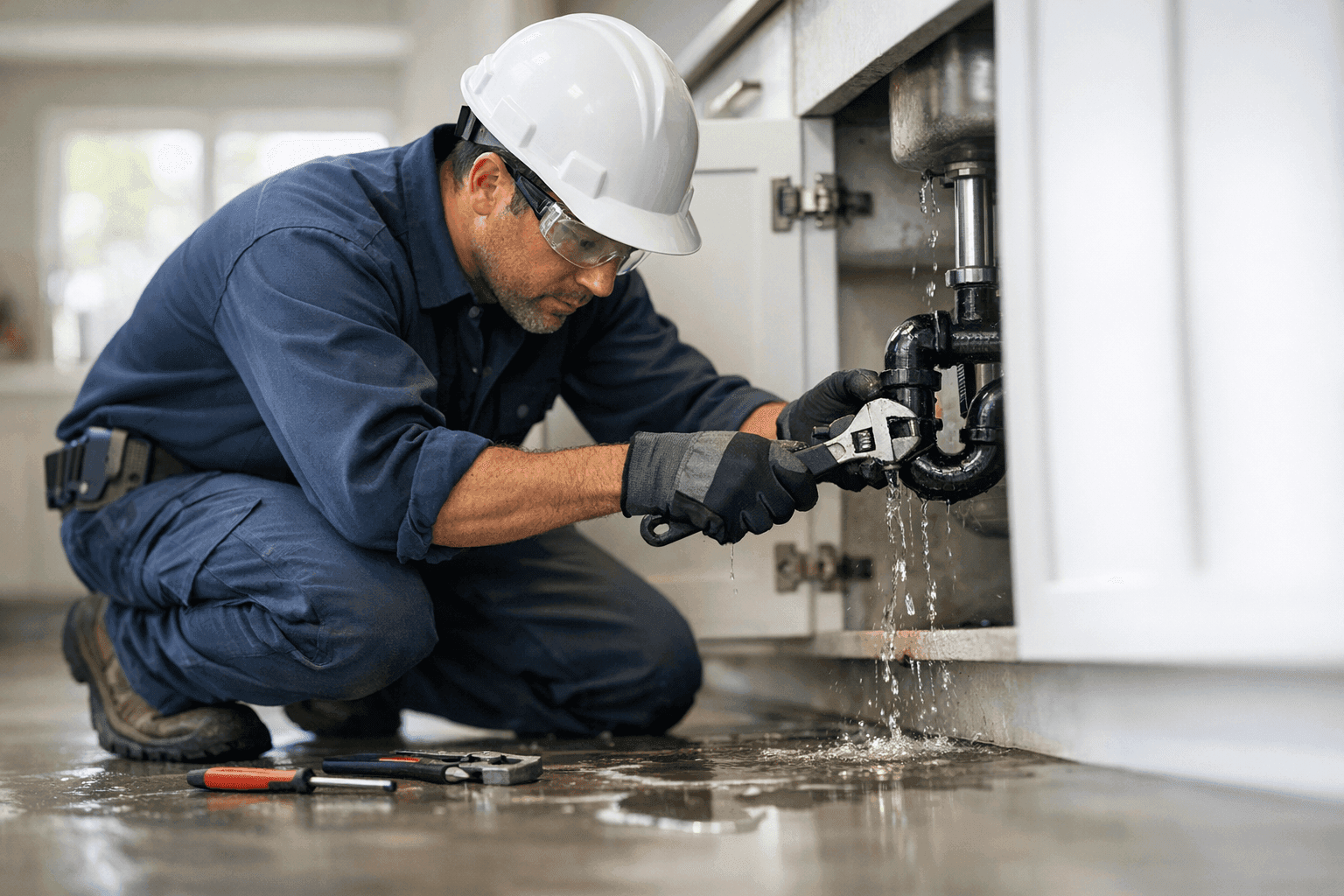
Have you ever experienced that cold rush of panic when water starts spilling across your floor? Plumbing emergencies strike when you least expect them—late at night, early in the morning, or during family gatherings. It’s overwhelming, but you’re not alone. At Julius La Rosa Plumbing, we know how stressful these moments can be—and how fast you need real answers.
This guide gives you clear, step-by-step actions you can take right away, plus insight into what happens when a pro walks through your door. We’ve helped countless homeowners through everything from burst pipes to mysterious leaks, and we’re here to share what really matters when every second counts.
Most Common Plumbing Emergencies 🚨
Plumbing disasters come in all shapes and sizes. Some are slow-building, others burst onto the scene like a summer thunderstorm. Here are the emergencies we see most often in residential homes:
- Burst Pipes: Sudden, powerful water flow that can quickly flood rooms.
- Overflowing Toilets: Clogged drains or blockages causing unsanitary spills.
- Major Leaks: Water seeping from ceilings, walls, or under sinks.
- Sewer Backups: Foul-smelling water or waste coming up from drains.
- Water Heater Failures: No hot water, strange noises, or visible leaks.
- Gas Leaks: Unmistakable rotten egg smell—always a reason to leave the house immediately.
If you spot water pooling where it shouldn’t be, hear hissing or banging pipes, or smell gas, act fast. Every minute counts.
Steps to Minimize Damage
The first rule of plumbing emergencies? Don’t panic—act. Like putting out a kitchen fire, quick thinking can prevent disaster.
- Shut Off the Water: Know where your home’s main shutoff valve is. Turn it clockwise to stop the flow.
- Turn Off Electricity: If water is near electrical outlets or the breaker box, cut the power at your main panel.
- Contain the Water: Use towels, buckets, or even a mop to soak up standing water and keep it from spreading.
- Open Drains and Faucets: Let residual water escape by opening cold taps. This relieves pressure.
- Document the Damage: Snap photos for insurance, especially if the leak is extensive.
- Ventilate: Open windows and doors to help dry out the area and prevent mold.
- Avoid Chemicals: Don’t pour store-bought drain cleaners during a major backup—they can worsen the problem and create hazardous fumes.
When It’s an Emergency—and When It Isn’t
Some plumbing problems need immediate help. Others can wait until normal business hours. How do you know the difference?
It’s an emergency if:
- Water is flooding your home or rising quickly.
- Sewage is backing up into sinks or tubs.
- You smell gas—the risk of fire or explosion is real.
- You have no water at all during freezing temperatures (risk of frozen pipes).
It can wait if:
- A single fixture is slow to drain but not overflowing.
- Dripping faucets or minor leaks can be contained with a bucket or towel.
- There’s no immediate risk to health, safety, or property.
If you’re unsure, err on the side of caution. You can always reach out to our emergency plumbing team for advice, day or night.
Quick Safety Checklist 📝
Before you do anything else, make sure you and your family are safe:
- Move children and pets away from affected areas.
- Don’t touch electrical devices if water is present.
- If you suspect a gas leak, evacuate immediately and call your utility provider from outside.
Following National Fire Protection Association (NFPA) and local plumbing code guidelines helps protect your home and loved ones during emergencies.
DIY vs. Call a Pro
It’s tempting to roll up your sleeves and tackle the issue yourself. Sometimes that’s okay—for example, plunging a clogged toilet or tightening a loose faucet. But major leaks, sewer backups, and anything involving gas or electricity should be left to professionals.
Attempting complex repairs without the right tools or training can cause costly damage—or put your safety at risk. For persistent leaks, hidden pipe bursts, or water heater issues, trust a licensed plumber.
What to Expect from Emergency Repair
When you call Julius La Rosa Plumbing, here’s what you can expect:
- Rapid Response: Our dispatcher will gather details and send a technician ASAP.
- Assessment: We’ll diagnose the problem, using leak detection equipment and visual inspection.
- Containment: Stopping water flow and isolating the affected area is priority one.
- Repair: Depending on the issue, this might involve pipe repair, unclogging drains, or replacing faulty fixtures.
- Cleanup: We’ll help remove standing water and minimize additional damage.
- Follow-Up: Clear explanation of what happened, what was fixed, and how to prevent it in the future.
Our licensed plumbers follow International Plumbing Code (IPC) standards and always prioritize your safety.
Common Mistakes Homeowners Make
- Ignoring Drips: Small leaks can become geysers overnight.
- Using Excessive Force: Over-tightening fittings can crack pipes.
- Improper Tools: A household wrench can strip more than it fixes.
- Delaying Service: Waiting too long often leads to damaged flooring, mold, and higher repair bills.
When in doubt, ask. Our team is here to help—no judgment.
Signs of Plumbing Trouble Before Disaster Strikes
Keep an eye out for these warning signs:
- Unexpected spikes in your water bill
- Mold or mildew smells
- Water stains on ceilings or walls
- Gurgling drains or slow drainage
- Rusty water from faucets
Catching these early can save you headaches down the road—and can often be addressed with targeted leak repair before they escalate.
Timeline and Disruption: What to Expect
Emergency repairs are rarely convenient. Here’s what you might experience:
- Immediate Fixes: Shutting off water or stopping leaks usually happens right away.
- Repair Time: Most emergencies can be stabilized within 1–3 hours. Major pipe replacements or sewer repairs may take longer.
- Cleanup: Drying out spaces and repairing water damage may take several days, especially if materials like drywall or flooring are affected.
We always aim to minimize disruption so you can get back to normal life as soon as possible.
Materials and Equipment We Bring
Our vans are stocked for almost any situation:
- Pipe cutters, wrenches, and specialty tools
- Leak detection sensors
- Replacement fittings and valves
- Sump pumps and wet vacuums
- Safety gear (gloves, goggles, masks)
We’re ready for everything from a simple clog to a full-scale pipe failure.
How to Prepare for Emergency Service
- Clear a Path: Move furniture or valuables out of the work area.
- List Issues: Write down all symptoms and when they started.
- Know Your Shutoffs: Point out water and gas shutoff valves if you know their locations.
- Secure Pets: Keep animals in a safe space to avoid stress or interference.
This helps our technicians work quickly and efficiently.
Costs and Time Factors 💸
Emergency plumbing work is often more urgent—and sometimes more expensive—than scheduled visits. Costs depend on:
- Time of day (after-hours rates may apply)
- Severity and complexity of the issue
- Parts or materials needed for repair
We’ll always explain your options before starting work, so there are no surprises on your bill.
Preventing Future Emergencies
An ounce of prevention really is worth a pound of cure. Here’s how you can reduce your risk:
- Schedule annual plumbing inspections and preventative maintenance.
- Don’t pour grease or food scraps down the drain.
- Use drain strainers in sinks and showers.
- Insulate pipes before winter to prevent freezing.
- Repair minor leaks quickly—don’t wait until they become emergencies.
Our regular maintenance services help keep your home plumbing healthy year-round.
Seasonal Considerations
Winter freezes, spring thaws, and heavy summer rains all bring unique risks:
- Winter: Insulate pipes and disconnect garden hoses.
- Spring: Check for leaks after thawing.
- Summer: Watch for tree roots encroaching on sewer lines.
- Storms: Make sure sump pumps are operational before heavy rain.
If you’re in an area prone to rapid temperature swings, it’s worth reading about local plumbing support in Minot, where changing seasons put extra stress on home systems.
Frequently Asked Questions
Q: Can I use my plumbing after a major leak?
A: Only after a professional says it’s safe. Residual water pressure can reopen cracks or force water into damaged areas.
Q: What should I do if my toilet is overflowing?
A: Shut off the valve behind the toilet, mop up water quickly, and call for service if the clog doesn’t clear.
Q: Is a slow drip really a problem?
A: Yes. Even small leaks waste water and can undermine floors or walls over time.
When to Call for Backup
Sometimes, DIY won’t cut it. If you’ve shut off the water, contained the mess, and still see signs of trouble—persistent leaks, sewage smells, or unexplained puddles—it’s time to bring in the pros. Our team at Julius La Rosa Plumbing is available for true emergencies, ready to tackle everything from burst pipes to emergency plumbing repairs right when you need them.
For those persistent drips, stains, or mystery damp spots, early leak repair can save your home from bigger headaches down the line.
Call Julius La Rosa Plumbing now — or reach us anytime at 855-598-5280 .