Boiler Repair: Homeowner’s Guide to Heating Emergencies
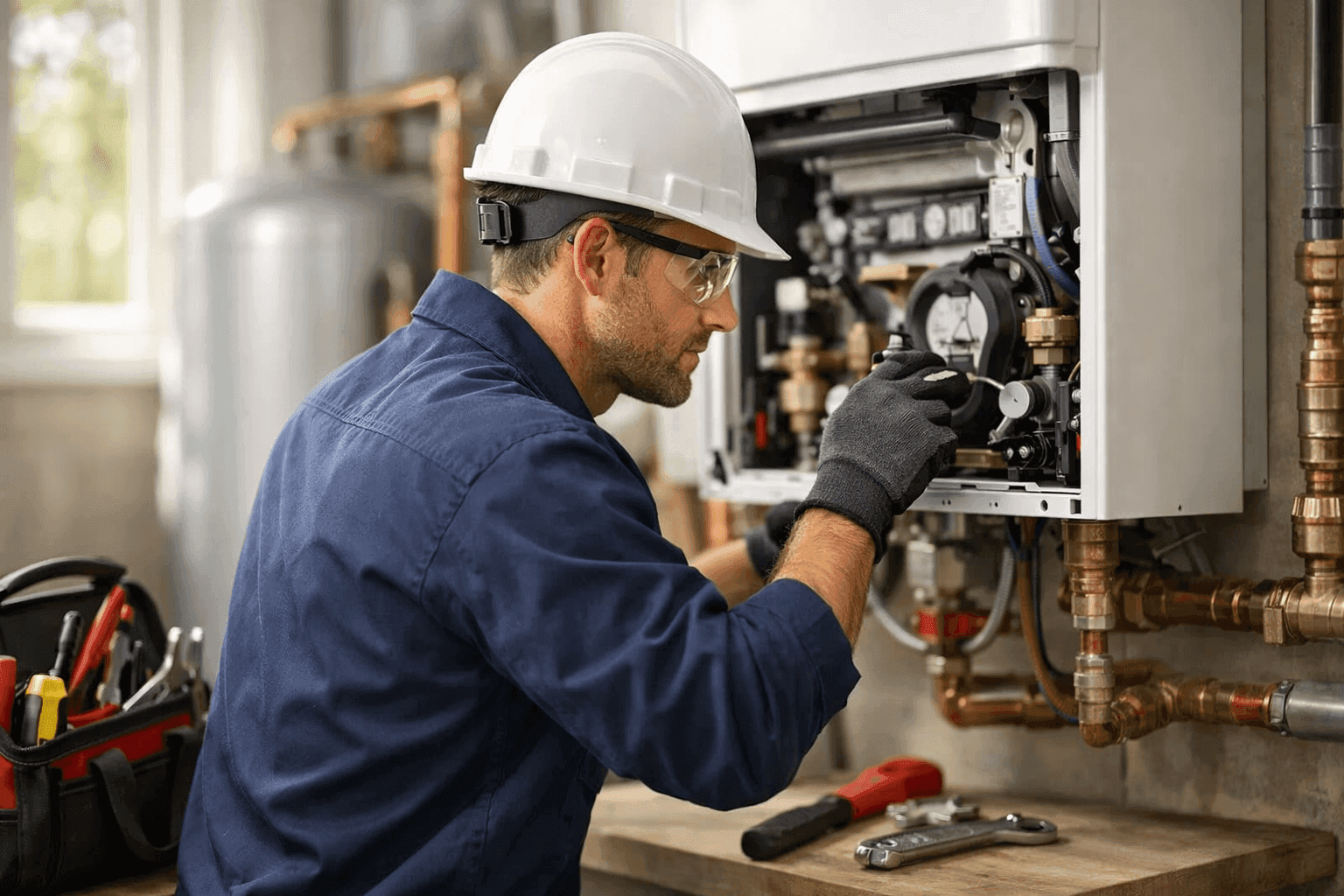
When winter wind howls outside, there’s nothing more stressful than a boiler that suddenly refuses to heat your home. Cold radiators, strange noises, or a puddle on the floor—these are worries no homeowner wants, especially late at night. At Julius La Rosa Plumbing, we know boiler emergencies can feel like a race against the weather. Let’s break down what to do, what not to touch, and how to keep your family safe until professional help arrives.
Whether you’re facing a midnight breakdown or just want to feel more prepared, this guide walks you through the essentials of handling boiler issues. We’ll cover warning signs, first-response steps, and what to expect from a professional visit—plus, how to keep your system healthy all year long.
Common Boiler Problems Homeowners Face 🔥
Boilers are like the heart of your home’s heating—when they falter, everything feels off. Here are the most frequent issues homeowners report:
- No heat or hot water: The most urgent and obvious sign.
- Strange noises: Banging, whistling, or gurgling can mean trapped air, limescale, or pump failure.
- Leaks and drips: Water where it shouldn’t be is never a good sign.
- Low boiler pressure: Can leave radiators cold and showers lukewarm.
- Pilot light keeps going out: Older boilers rely on this small flame; when it won’t stay lit, heating stops.
- Thermostat troubles: Sometimes, the issue is as simple as a faulty setting or dead batteries.
- Radiators not heating up: Cold spots may signal trapped air or underlying system issues.
Most of these problems stem from wear, water quality, or aging components. But some hint at deeper trouble—if you’re unsure, err on the side of safety.
DIY Checks Before You Call for Help
Some boiler hitches are surprisingly simple to fix—no toolbox or advanced skills required. Before you reach for the phone, try these:
1. Check Your Thermostat
- Is it set to “heat” and not “cool”?
- Is the temperature high enough to trigger the boiler?
- Are the batteries working? If not, swap them out.
- If you have a programmable model, make sure the schedule is correct.
2. Inspect the Pilot Light
- For gas boilers: Look through the sight glass for a small blue flame.
- If it’s out, consult your manufacturer’s manual for relighting steps.
- If you smell gas, stop—this is dangerous. Turn off the gas supply and call a professional immediately.
3. Boiler Pressure Gauge
- Most boilers need 1–2 bar of pressure.
- If it’s too low, check if your model allows you to top up with a filling loop. Only do this if you’re comfortable and have read the instructions.
- If pressure keeps dropping, you may have a leak—time to call in the pros.
4. Power and Reset
- Flip the boiler’s power switch off, wait ten seconds, then turn it back on.
- Sometimes, like a stubborn computer, your boiler just needs a reboot.
Signs of Serious Boiler Faults You Shouldn’t Ignore ⚠️
While DIY checks can fix minor hiccups, some symptoms spell real danger. If you spot any of these, step away and call for help:
- Gas smell: Natural gas leaks can lead to explosions or carbon monoxide poisoning.
- Carbon monoxide alarm: If this sounds, evacuate immediately and get professional assistance.
- Water pooling under the boiler: Indicates a significant leak or burst component.
- Boiler won’t turn on after reset: Could mean a failed electrical part or deeper fault.
- Burn marks or scorching: Signs of overheating or electrical issues.
Any of these are red flags—don’t risk your safety or your home’s.
Emergency Safety Steps Every Homeowner Should Know
When boilers go wrong, quick thinking keeps families safe. Here’s what to do in an emergency:
- Turn off the boiler: Use the power switch or circuit breaker.
- Shut off the gas (if you suspect a leak): Locate the main valve and turn it off.
- Ventilate the area: Open windows and doors if you suspect a gas issue.
- Evacuate if necessary: Don’t second-guess carbon monoxide alarms.
- Don’t attempt major repairs yourself: Leave valves, gas lines, and complex parts to qualified technicians.
If you need urgent help for leaks, heating loss, or a suspected gas issue, local homeowners can rely on emergency plumbing specialists with 24/7 response.
When Is It a True Heating Emergency?
Not every cold night is a crisis, but some boiler failures just can’t wait:
- Temperatures below freezing: Unheated pipes can freeze and burst, causing thousands in damage.
- Elderly or very young family members: Vulnerable people are at greater risk from cold.
- Water leaks or flooding: Can damage floors, walls, and even electrical systems.
- No hot water for extended periods: Especially risky in winter months or with medical needs.
If you’re in the Burlington area, fast local support is available for urgent winter breakdowns.
The Professional Boiler Repair Process: What to Expect
So, you’ve made the call. What happens next? Here’s how a typical repair visit unfolds:
- Arrival and safety assessment: The technician checks for gas leaks, electrical hazards, and overall system safety.
- Diagnostic testing: Using specialized tools, they pinpoint the cause—whether it’s a failed pump, pressure valve, or something more complex.
- Transparent explanation: You’ll get a clear rundown of the issue and next steps, with no jargon.
- On-the-spot repairs: Many common parts can be replaced or fixed right away.
- Testing and clean-up: The boiler is restarted, checked for leaks, and left as tidy as your kitchen table.
Our team always follows local safety codes, like the National Fuel Gas Code and manufacturer requirements, to ensure everything is up to standard.
DIY vs. Professional Repairs: Know Your Limits
Boilers are intricate machines, full of pressurized water, gas, and electricity. While simple checks—like testing your thermostat or topping up pressure—are safe for most homeowners, anything beyond that should be left to licensed professionals.
Attempting repairs on gas or electrical components without proper training can be dangerous. According to the U.S. Consumer Product Safety Commission, unqualified DIY work is a leading cause of accidental home fires and carbon monoxide incidents. Don’t risk it—your safety comes first.
For complex repairs, schedule a boiler repair service to ensure your system is handled correctly.
Cold Weather Boiler Tips for Winter Survival ❄️
- Bleed radiators before first use: Air pockets can keep rooms chilly.
- Keep the boiler running low: Even when away, a warm system prevents frozen pipes.
- Insulate exposed pipes: Foam sleeves can be found at most hardware stores.
- Know where your shutoff valves are: Quick access is vital in emergencies.
- Schedule a pre-winter checkup: Preventative maintenance saves headaches and heating bills.
Preventative Maintenance: The Key to Avoiding Emergencies
A stitch in time saves nine—and regular boiler servicing is no exception. Annual checkups catch small problems before they become big bills. Here’s what routine maintenance includes:
- Checking safety valves and controls
- Inspecting for leaks or corrosion
- Cleaning heat exchangers
- Testing carbon monoxide output
- Ensuring proper ventilation
Following manufacturer guidelines and local safety codes (like those from the International Code Council) is essential for long-term boiler health.
Choosing a Qualified Boiler Technician
Not all plumbing professionals are created equal. When your comfort—and safety—are at stake, look for:
- Proper licensing and insurance
- Experience with your specific boiler make and model
- Up-to-date training on gas safety and current codes
- Clear, respectful communication
Ask about certifications and ongoing education. A good technician will never hesitate to share their credentials.
How Long Will Boiler Repairs Take? Will There Be Disruption?
Most repairs can be completed in a single visit, especially if the problem is diagnosed quickly and replacement parts are available. Complex issues—such as heat exchanger failure or significant leaks—may require a return trip or longer work. Expect some noise, but technicians work to minimize mess and downtime.
What If I Need a New Boiler?
Sometimes, repairs aren’t enough. If your boiler is over 15 years old, unreliable, or inefficient, replacement may be the smarter long-term move. A professional can walk you through options, sizing, and energy efficiency standards. Don’t worry—clear estimates and explanations are part of the process.
Seasonal Considerations: Why Timing Matters
Boiler breakdowns love to strike during the coldest snaps. Schedule maintenance in late summer or early fall, before the first frost hits. This gives you breathing room—and peace of mind—when winter arrives.
Frequently Asked Boiler Questions
How often should I service my boiler?
At least once a year, ideally before winter.
Is it safe to use the boiler if it’s leaking?
No. Shut it down and call a professional.
What’s the difference between a boiler and a furnace?
Boilers heat water for radiators or baseboards; furnaces blow warm air through ducts.
Do I need a carbon monoxide detector?
Absolutely. It’s a simple device that saves lives.
What if I travel during winter?
Keep your heat on low and ask a neighbor to check on the house, just in case.
Final Thoughts: Stay Safe, Stay Warm
Boiler problems can turn a cozy home into a frigid headache, fast. Knowing what to check, when to step back, and how to get professional help keeps your winter on track. Remember, a little preparation goes a long way—annual maintenance, prompt attention to warning signs, and help from skilled plumbers pay off when you need them most.
Call Julius La Rosa Plumbing now — or reach us anytime at 855-598-5280 .