The Benefits of Preventative Plumbing Maintenance Plans
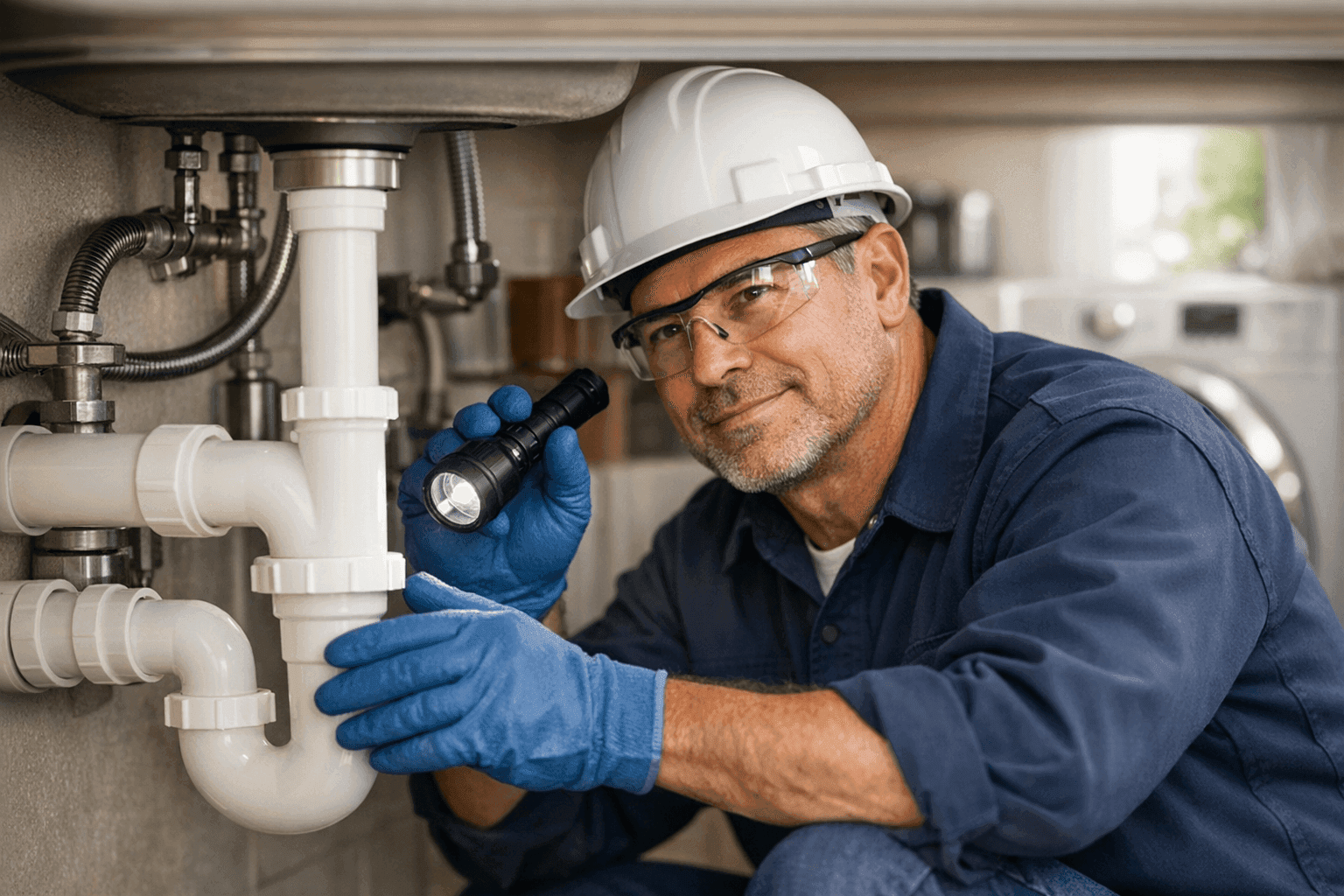
When was the last time you thought about your home's plumbing? Most folks only notice pipes, drains, or fixtures when something goes wrong. That slow drip or lingering gurgle in your sink? It’s easy to ignore—until it isn’t.
At Julius La Rosa Plumbing, we’ve seen firsthand how small issues can become expensive headaches. Preventative maintenance isn’t just an upsell. It’s your shield against surprise leaks, emergencies, and the disruption of daily life.
Why Preventative Maintenance Matters
Think of your plumbing like your car. You wouldn’t drive for years without oil changes or tune-ups. Pipes, fixtures, and appliances work hard every day—silently transporting gallons of water, handling waste, and keeping your home running. Over time, wear and tear build up, even if you don’t see it.
A regular plumbing maintenance plan is the tune-up your home needs. It helps catch problems before they snowball. Tiny leaks, clogs, or pressure changes often signal bigger trouble brewing. With routine checks, you stay ahead of disasters.
What’s Included in a Plumbing Maintenance Plan? 🛠️
A great plumbing maintenance plan is more than a quick once-over. Here’s what a typical visit from Julius La Rosa Plumbing might include:
- Whole-home inspection: We check visible pipes, water heaters, toilets, sinks, drains, and more.
- Garbage disposal check: Listen for odd noises, test grinding function, and clear minor jams. For repairs, see our Garbage Disposal Repair near you.
- Water pressure test: Make sure you’re not at risk for pipe bursts or weak showers.
- Leak detection: Find hidden drips under sinks, behind walls, or at the water heater.
- Drain cleaning: Clear minor blockages before they become stubborn clogs.
- Fixture and valve checks: Inspect toilets, faucets, shut-off valves, and supply lines.
- Safety checks: Gas lines, water heaters, and sump pumps reviewed for code compliance and safe operation.
We follow plumbing codes recommended by national authorities like the International Association of Plumbing and Mechanical Officials (IAPMO) and local safety guidelines.
The Benefits: More Than Just Peace of Mind
Why bother with maintenance if everything “seems fine”? Here’s what homeowners gain:
- Save money: Spotting leaks and worn parts early means smaller, cheaper fixes.
- Prevent emergencies: Address issues before they explode into a midnight flood or sewer backup.
- Lower water bills: Small leaks can waste hundreds of gallons a year—sometimes without a trace.
- Longer system life: Appliances and pipes last longer when they’re not working overtime to compensate for little problems.
- Health and safety: Clean water, safe gas lines, and dry basements keep your family protected.
Real-World Scenario: The Hidden Leak
Imagine a slow leak in your wall. It doesn’t show up until paint bubbles or mold appears. By then, you’ve got water damage—maybe even structural repairs. But regular inspections catch these sneaky problems early, saving you thousands in restoration costs.
Priority Service—When Fast Help Matters
Ever had a plumbing emergency and found yourself at the end of a long waiting list? Maintenance plan members jump to the front of the line. When you need help—whether it’s a broken water heater or a backed-up toilet—priority scheduling makes a difference.
Plan Options for Every Home
Not every home or family has the same needs. That’s why we offer several plan types, from basic annual checkups to more frequent, comprehensive care. Some homeowners want quarterly visits, especially if they have older pipes or a history of clogs. Others do fine with yearly service.
We’ll help you match a plan to your household’s size, age, and plumbing quirks.
How a Maintenance Visit Works
Expect a licensed plumber to arrive with a checklist in hand. We move room to room—bathroom, kitchen, basement, laundry—inspecting pipes and fixtures, running water, and testing systems. We’ll explain what we find, answer your questions, and offer tips specific to your setup.
If something needs immediate attention, like a loose fitting or a minor leak, we can often fix it on the spot.
DIY vs. Professional Maintenance
It’s smart to keep an eye on your plumbing: watch for drips, strange noises, or slow drains. But even the most attentive homeowner can miss what’s happening behind walls or below floors. Professional plumbers use specialized tools and know what warning signs to look for. We’ll also follow up on safety codes—like testing for backflow or checking gas line connections.
Common Plumbing Problems Prevented by Routine Care
- Clogged drains: Hair, grease, and soap build up quietly.
- Leaky faucets and toilets: Worn washers or seals waste water.
- Garbage disposal jams: Foreign objects or old blades slow things down.
- Water heater trouble: Sediment buildup reduces efficiency and shortens lifespan.
- Pipe corrosion: Hard water and old materials eat away at pipes from the inside out.
Signs You Need Maintenance—Even If Nothing’s Broken
- Water pressure seems weaker than usual
- Unexplained increase in your water bill
- Drains gurgle or smell odd
- Spots of mold or dampness around walls and floors
- Appliances (dishwasher, washing machine) take longer to fill
How Maintenance Saves Money Over Time 💡
Think of routine plumbing care as an investment. Spending a little each year often means avoiding the big, disruptive costs of water damage, burst pipes, or emergency repairs. According to the Environmental Protection Agency, even a single leaky faucet can waste over 3,000 gallons per year. That’s cash literally going down the drain.
When It’s an Emergency—And How Maintenance Helps
No plan can prevent every surprise. Pipes freeze, tree roots invade, appliances break. The difference is, homes with regular maintenance usually face fewer emergencies—and when they do, the damage is often less severe.
Need local help fast? Homeowners in the area sometimes check Blue Springs plumbing support when facing an urgent issue.
Seasonal Considerations: Why Timing Matters
Spring brings heavy rains, which can stress sump pumps and drains. Winter cold can freeze pipes, causing bursts. Maintenance plans can be tailored to check vulnerable parts of your system before the seasons change, giving you peace of mind year-round.
Choosing the Right Plumbing Maintenance Plan
Not sure where to start? Think about your home’s age, the types of plumbing systems you have, and your family’s habits. If you’ve had frequent clogs, backups, or leaks, a more robust plan may be worth it. If your plumbing is newer, an annual checkup may do the trick.
We’re happy to walk you through options that fit your needs—and your budget.
What to Expect: Timeline and Disruption
Most maintenance visits take between one and two hours. We aim for minimal disruption. You’ll get a summary of findings and honest recommendations—no pressure, just clear advice.
Safety and Code Compliance
We keep up with the latest plumbing codes and safety practices. Our team checks that your systems meet standards set by organizations like IAPMO and the Uniform Plumbing Code. If we find anything out of compliance, we’ll let you know what’s needed to bring things up to date.
Practical Tips for Homeowners
- Check under sinks for moisture every month.
- Don’t flush wipes or pour grease down the drain.
- Know where your main water shutoff valve is. Practice turning it off.
- Install strainers in sinks and tubs to catch hair and debris.
- Schedule annual maintenance—set a reminder in your phone.
Ready to Protect Your Home?
Preventative plumbing maintenance is the smart way to keep your home safe, efficient, and comfortable. Don’t wait for the drip to become a flood.
Call Julius La Rosa Plumbing now — or reach us anytime at 855-598-5280 .