The Benefits of Whole-House Water Filtration Systems
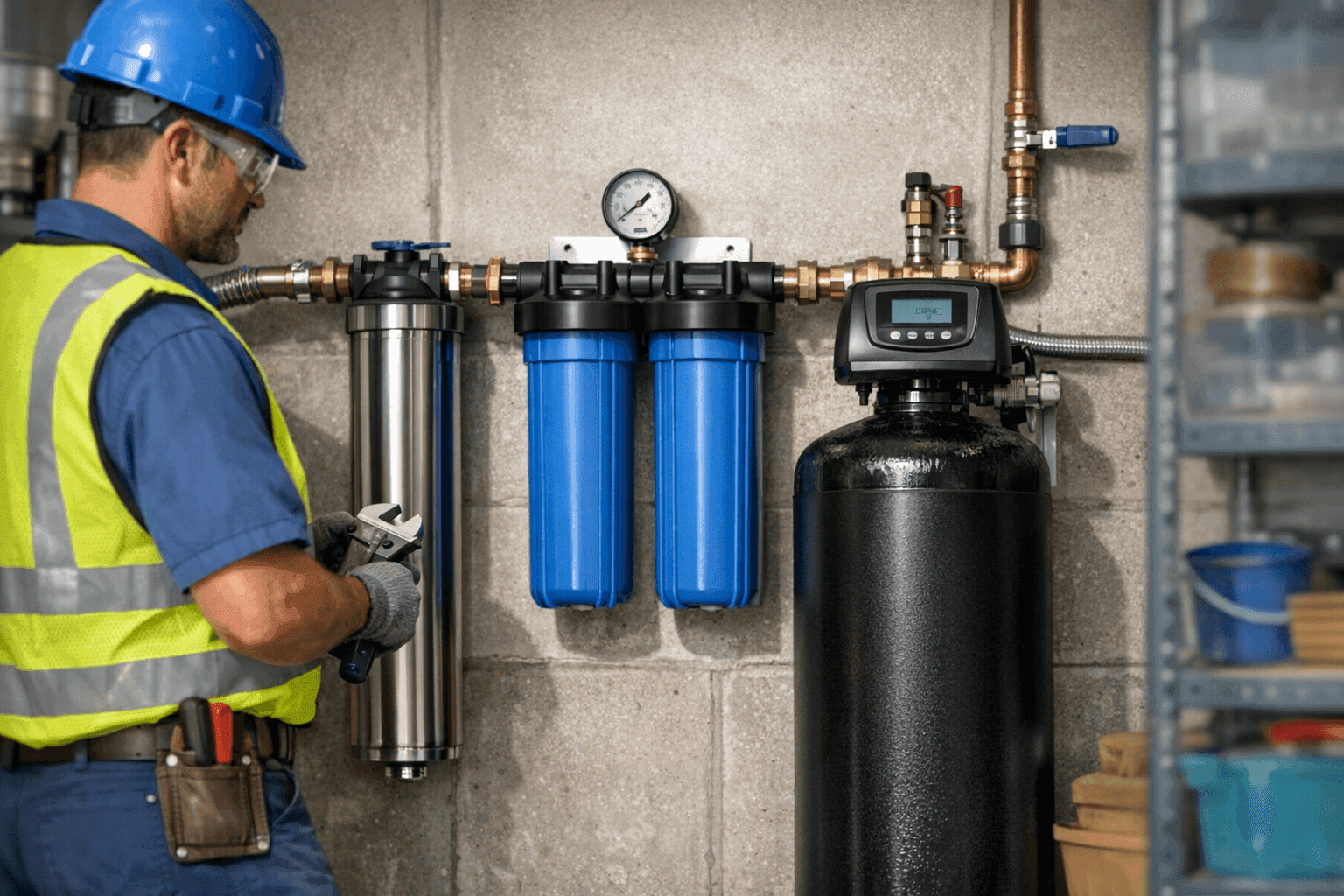
Is your tap water as clean as it looks? Most homeowners assume so—until cloudy glasses, odd tastes, or stubborn limescale stains start showing up. If you’re concerned about what’s really flowing through your pipes, you’re not alone. At Julius La Rosa Plumbing, we see firsthand how unfiltered water can quietly affect both your family’s health and your home’s plumbing.
A whole-house water filtration system isn’t just a luxury. It’s a smart investment in your home’s future and your peace of mind. Let’s break down why.
What Is Whole-House Filtration? 🚰
Imagine a gatekeeper at the entrance to your home’s water supply. That’s your whole-house filtration system. Instead of filtering water at just one faucet, it treats every drop that enters your pipes. Every shower, every toilet flush, every load of laundry—filtered.
These systems are installed where the main water line enters your house. They catch sediment, chlorine, heavy metals, and sometimes even bacteria before the water ever reaches your fixtures. It’s like giving your entire plumbing system a suit of armor.
Key Features
- Filters all water, not just drinking taps
- Protects pipes, appliances, and fixtures
- Customizable for your local water conditions
Health and Plumbing Benefits
Clean water is more than just a nice-to-have. It’s essential for your family’s health and the health of your plumbing.
Healthier Water, Healthier You
Unfiltered water can carry trace amounts of chlorine, lead, pesticides, and other contaminants. Even if your city meets basic safety standards, those standards don’t always account for sensitive groups or cumulative exposure. The Environmental Protection Agency (EPA) sets limits, but a filtration system can take your water quality a step further.
Filtered water means:
- Fewer skin irritations from harsh chemicals
- Better-tasting water for drinking and cooking
- Less exposure to potential toxins over time
Protecting Your Plumbing Investment
Think of your home’s pipes like arteries. Over time, minerals and sediment can build up, narrowing the flow and causing blockages—just like cholesterol in the body. Hard water is notorious for leaving limescale deposits on fixtures and inside pipes, which can lead to costly repairs or even full repiping jobs.
With a whole-house filter, you’re not just caring for your health. You’re extending the life of your plumbing, water heater, and appliances.
Comparing Filtration Options
Not all filters are created equal. Some are like a simple sieve; others are more like a high-tech security system.
Point-of-Use vs. Whole-House
- Point-of-Use Filters: Attach to a single faucet or appliance. Great for drinking water, but leave showers, laundry, and other taps unprotected.
- Whole-House Filters: Treat every drop. Better for families, especially if you want to protect pipes and appliances as well as improve water quality everywhere.
Filter Types
- Sediment Filters: Catch sand, rust, and dirt.
- Carbon Filters: Remove chlorine and organic chemicals.
- Reverse Osmosis: Highly effective, but often used for drinking water only due to slower flow rates.
- UV Purifiers: Neutralize bacteria and viruses.
The best choice depends on your water quality and what you want to filter out. A professional plumber can test your water and recommend the right system.
For a deep dive into available water filtration systems, see our dedicated service page.
Installation and Maintenance
A whole-house system is a bit like installing a new heart for your plumbing. It’s a job for licensed professionals—both for safety and to meet local code requirements.
What to Expect
- Site Evaluation: Your plumber will check water pressure, pipe material, and main line access.
- System Sizing: Bigger homes need bigger filters.
- Bypass Valve: Allows maintenance without shutting off the house’s water.
- Professional Pipe Installation: Ensures leak-free connections and code compliance.
Regular maintenance is simple but essential. Most systems need filter changes every 6–12 months. Some high-end models have indicators to remind you. Ignoring maintenance is like skipping oil changes for your car—eventually, things break down.
Signs Your Home Needs Filtration
How do you know if your home would benefit? Watch for these clues:
- Water tastes metallic, bitter, or just “off”
- White or green buildup on faucets and showerheads
- Clothes feel stiff after washing
- Skin feels itchy after showering
- Plumbing repairs are becoming more frequent
If you notice any of these, it’s time to consider a filtration upgrade.
Quick Safety Checklist
Before installing or servicing a filtration system, keep these safety pointers in mind:
- Always shut off the main water supply before work begins.
- Use only certified plumbing materials (check for NSF/ANSI certification).
- Ensure pressure relief valves are installed where required.
- Never bypass local plumbing codes—your insurance and safety depend on it.
DIY vs. Call a Pro
Some homeowners are tempted to tackle water filtration as a weekend project. While small under-sink filters can be DIY-friendly, a whole-house system is a different animal. Mistakes can lead to leaks, water damage, or even voided warranties.
A professional plumber brings:
- Knowledge of local codes
- Experience with pipe installation and retrofits
- The right tools for a secure fit
The peace of mind is worth it.
Prevention & Maintenance Tips 🛠️
Want to keep your system running smoothly? Here’s how:
- Mark your calendar for filter changes.
- Check for leaks around the filter housing monthly.
- Flush the system if recommended by the manufacturer.
- Schedule annual plumbing inspections.
This small effort pays off in reliability and water quality.
Costs & Time Factors
Installing a whole-house system isn’t free, but it’s often less than the cost of repeated pipe repairs or premature appliance replacements. Expect a half-day to a full day for installation, depending on your home’s layout.
Ongoing costs include replacement filters and occasional maintenance. Think of it like insurance for your plumbing—steady, predictable, and protecting you from bigger surprises down the road.
When It’s an Emergency
Sometimes, water quality issues can’t wait. If you notice sudden drops in pressure, discolored water, or leaks around your main line, it’s time to act fast. These can signal filter clogs, burst pipes, or contamination.
For those living in the area, Roanoke plumbing services are available to assist in urgent situations and help restore your water’s safety.
Common Mistakes to Avoid
- Choosing a filter too small for your home’s needs
- Skipping professional installation
- Forgetting regular filter changes
- Ignoring water pressure changes (could signal a clog)
Avoiding these pitfalls keeps your system effective and your water safe.
Seasonal Considerations
Winter can bring frozen pipes and pressure changes. Summer often means more water use and higher sediment loads. Make it a habit to check your filter at the start of each season, and after any major plumbing work.
Frequently Asked Questions
Do whole-house filters remove hard water?
Some do, but not all. If you have hard water, ask your plumber about adding a water softener.
Will it affect water pressure?
A properly sized system won’t noticeably change your pressure. If you notice a drop, it may be time to change the filter.
Is it safe for all pipe types?
Yes, when installed by a professional familiar with your plumbing materials.
Timeline & Disruption
Most installations take less than a day. Water will be shut off during the process, so plan ahead. Your plumber will let you know when it’s safe to use the water again.
Materials & Equipment
Only certified filters, fittings, and pipes should be used. Look for products tested by NSF International or the Water Quality Association. This ensures your system meets safety and performance standards.
Final Thoughts
A whole-house water filtration system is the unsung hero of a healthy, efficient home. It quietly protects your plumbing, your appliances, and your family—day in, day out.
Ready to take the next step? Whether you’re looking for Garbage Disposal Repair near you or want to learn more about filtration, Julius La Rosa Plumbing is here to help.
Call Julius La Rosa Plumbing now — or reach us anytime at 855-598-5280 .