Bathroom Plumbing: Expert Tips for Every Homeowner
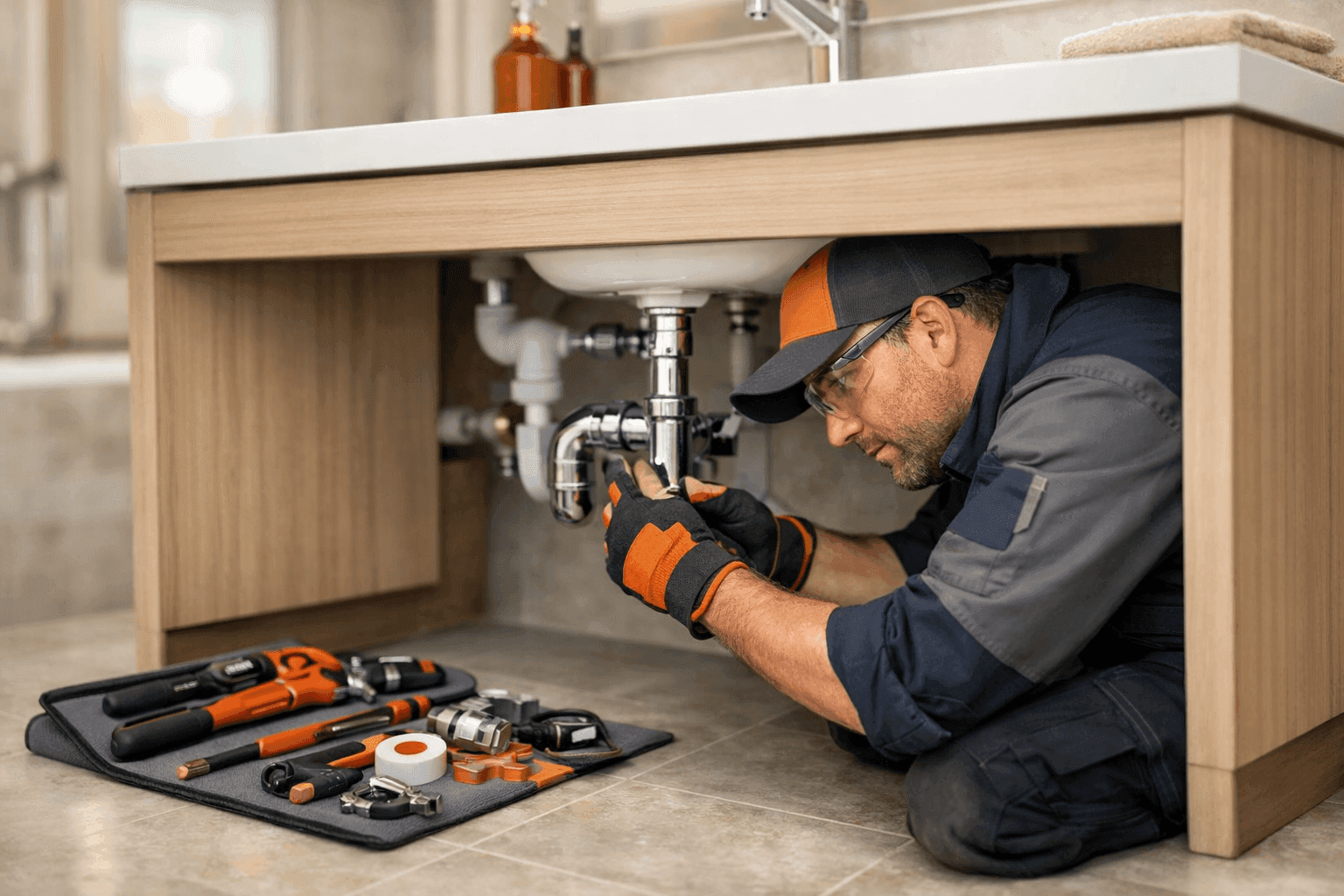
Every home tells its story through the pipes behind the walls. A slow drip can become a waterfall. A clogged drain, a morning disaster. At Julius La Rosa Plumbing, we know that behind every bathroom door, families face plumbing puzzles that can’t wait.
Whether you’re juggling kids’ bath time or preparing for a remodel, bathroom plumbing demands attention. Let’s walk through the essentials—so you can make confident, safe choices for your home.
Common Bathroom Plumbing Issues 🚿
Bathrooms are the busiest rooms in most homes. With all that action, it’s no wonder plumbing issues pop up. Here are the usual suspects:
- Dripping faucets: Wastes water and can signal worn washers or loose connections.
- Clogged drains: Hair, soap scum, and toothpaste build up over time. Sometimes, a plunger does the trick. Other times, you’ll need more.
- Running toilets: That constant sound isn’t just annoying—it means you’re losing money with every flush.
- Low water pressure: Could be a simple aerator clog, or a sign of bigger pipe trouble.
- Leaks: Under the sink, around the toilet base, or behind walls—leaks can quietly cause serious damage.
If you notice any of these, act quickly. Even small problems can snowball into major repairs.
Upgrade and Remodel Tips
Thinking of updating your bathroom? A remodel is the perfect time to address hidden plumbing issues and future-proof your space. Here’s what to keep in mind:
- Replace aging pipes: Old galvanized pipes can corrode and restrict flow. Modern PEX or copper lines are safer and more reliable.
- Plan for accessibility: Consider lever-style faucets, comfort-height toilets, and walk-in showers. These upgrades help families of all ages and abilities.
- Relocate fixtures wisely: Moving a toilet or tub means moving the plumbing. That’s a job for licensed professionals who understand building codes.
- Add shut-off valves: Make sure every fixture has its own shut-off. It’s a small investment that can prevent big headaches later.
If you’re ready to dive into a project, our bathroom plumbing services page covers what to expect from start to finish.
Water-Saving Fixtures: Smart Choices for Every Family 💧
Water is precious—and so is your utility bill. Swapping out old fixtures for efficient ones is a win-win. Here’s how:
- Low-flow toilets: Use less than half the water of older models. Look for EPA WaterSense labels.
- Aerated faucets: Mix air into the stream, reducing water use without sacrificing pressure.
- Efficient showerheads: Modern designs deliver a satisfying spray with less water.
Installing water-saving fixtures not only conserves resources, it can also qualify you for rebates through local programs. Check your city’s website or the EPA for details.
Leak Prevention: Stop Trouble Before It Starts
A tiny leak can be like a termite in your walls—quiet, but destructive. Here’s how to keep your bathroom watertight:
- Inspect regularly: Check under sinks, around toilets, and at the base of tubs for moisture or discoloration.
- Seal grout and caulk: Keep water where it belongs. Reseal tile and tub joints every couple of years.
- Replace worn washers and supply lines: Flexible hoses don’t last forever. Swap them every 5–7 years, or sooner if you spot cracks or bulges.
- Know where your main shut-off is: In an emergency, seconds matter. Make sure everyone in the house knows how to turn off the water.
The International Association of Plumbing and Mechanical Officials (IAPMO) and local building codes provide guidance on leak prevention and fixture installation. Following these standards keeps your home safe—and your insurance valid.
DIY or Call a Pro? Knowing Your Limits
Some bathroom fixes are as simple as changing a lightbulb. Others, not so much. Here’s a quick guide:
- DIY-friendly: Replacing showerheads, unclogging minor drains, swapping out faucet aerators.
- Better left to pros: Moving pipes, fixing persistent leaks, installing new toilets or tubs, dealing with sewer odors.
If you’re ever unsure, remember: water always finds a way. A small mistake can lead to costly repairs down the line.
Quick Safety Checklist ⚠️
Before you tackle any plumbing task, run through this mental checklist:
- Turn off the water supply to the fixture.
- Test for leaks after every repair.
- Wear gloves and eye protection when working with chemicals or old pipes.
- If you smell gas or suspect a sewer leak, leave the area and call for help.
Safety comes first—always.
What Happens When a Pro Arrives?
When you call in a licensed plumber, here’s what you can expect:
- Thorough inspection: Professionals look beyond the obvious. We check water pressure, pipe condition, and fixture operation.
- Code compliance: Every repair or installation meets local and national plumbing codes. This protects your home and resale value.
- Clear communication: You’ll get a straightforward explanation of the issue, your options, and the estimated cost.
Our team brings specialized tools, years of training, and a commitment to getting the job done right.
Preventative Maintenance: Keeping Problems at Bay
Think of plumbing like your car—it needs regular check-ups to run smoothly. Here’s how to keep your bathroom plumbing humming:
- Flush drains with hot water weekly: Helps clear soap and debris.
- Clean faucet aerators: Unscrew and rinse them every few months.
- Check for slow drains: Address them early to avoid blockages.
- Inspect supply hoses: Look for bulges, rust, or leaks.
A little attention now can save you from big repair bills later.
Costs and Time Factors
Plumbing repairs range from quick fixes to full-day projects. Here’s a ballpark idea:
- Minor repairs: Fixing a leaky faucet or unclogging a drain usually takes under an hour.
- Fixture installation: Swapping out a toilet or sink can take 2–4 hours, depending on access and condition.
- Pipe replacement: Repiping sections of your bathroom may require a day or more, especially in older homes.
Material costs vary, but investing in quality parts pays off in the long run.
When It’s an Emergency
Water on the floor. A gurgling toilet. A burst pipe at midnight. Emergencies happen fast—and require quick thinking:
- Shut off the main water valve.
- Clear the area of valuables and electronics.
- Call for help right away.
If you need local support, you can always count on plumbing services in Summerville for fast response and professional care.
Seasonal Considerations: Plumbing Through the Year 🌡️
Different seasons bring different challenges:
- Winter: Pipes can freeze and burst. Insulate exposed plumbing, especially in exterior walls.
- Spring: Check for leaks after thawing. Melting snow and rain can overwhelm sump pumps.
- Summer: Increased usage with guests or kids home from school can strain drains and fixtures.
- Fall: Inspect and clean drains before holiday gatherings.
A seasonal check-in keeps surprises to a minimum.
Common Mistakes to Avoid
Even well-meaning homeowners can make costly errors. Watch out for these:
- Overusing drain cleaners: Chemicals can corrode pipes and harm septic systems.
- Ignoring small leaks: Today’s drip is tomorrow’s flood.
- Forgetting permits: Major plumbing changes often require city approval.
- Skipping code compliance: Shortcuts can void insurance and cause safety hazards.
When in doubt, ask a licensed plumber.
Signs of Trouble: What to Watch For
Not all plumbing problems announce themselves loudly. Subtle signs include:
- Water stains on ceilings or walls.
- Musty odors in the bathroom.
- Unexplained spikes in your water bill.
- Slow drains, even after cleaning.
Spotting these early can save you time, money, and stress.
Accessibility and Family-Friendly Solutions
Bathrooms should work for everyone—young kids, older adults, and those with mobility needs. Consider:
- Grab bars and non-slip mats: Prevent slips and falls.
- Single-lever faucets: Easier for small hands or arthritic joints.
- Handheld showerheads: Flexible and convenient for all ages.
Planning for accessibility isn’t just thoughtful—it’s practical.
Eco-Friendly Plumbing: Good for Home and Planet 🌱
Want to shrink your environmental footprint? Try these tips:
- Install dual-flush toilets and low-flow showerheads.
- Repair leaks promptly—one drip wastes gallons over time.
- Choose fixtures made from recycled or sustainable materials.
Small changes add up to big savings, for both your wallet and the earth.
When to Call an Expert
Some jobs are best left to the professionals, especially when safety or code compliance is involved. Licensed plumbers must follow standards set by the Uniform Plumbing Code (UPC) and local authorities. This protects your home and your family.
If you’re ever facing a plumbing problem that feels bigger than your toolbox—or if you simply want peace of mind—don’t hesitate to reach out to the bathroom plumbing experts at Julius La Rosa Plumbing.
Call Julius La Rosa Plumbing now — or reach us anytime at 855-598-5280 .