Backflow Prevention: Protecting Your Home’s Water Supply
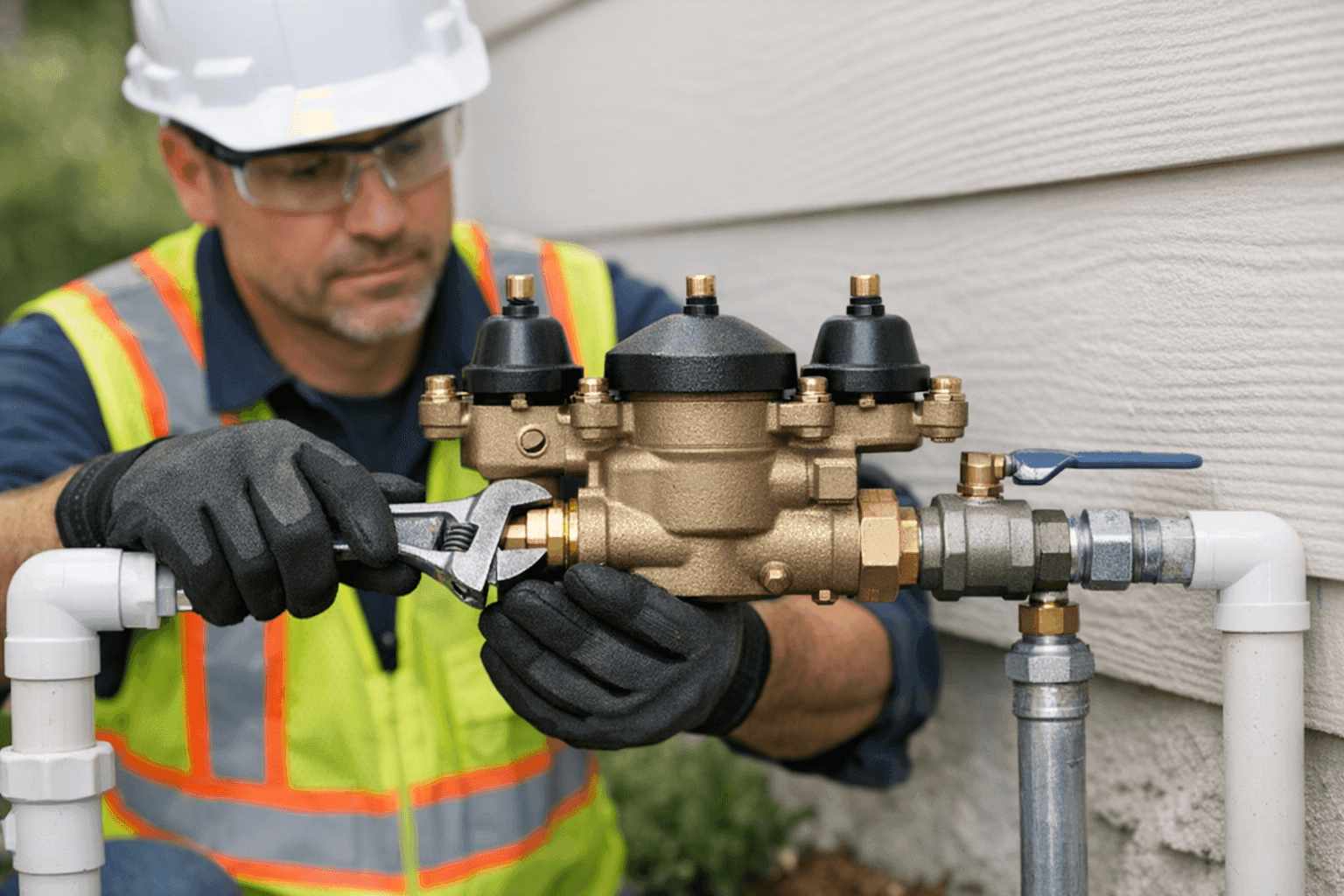
Is your tap water really as safe as it looks? Most homeowners never think about what’s flowing backward through their pipes—until it’s too late. At Julius La Rosa Plumbing, we know the hidden risks that can threaten your home’s water supply. Backflow isn’t just a technical term. It’s a real-world hazard that can put your family’s health at risk.
Let’s cut through the confusion and get clear on why backflow prevention matters, how it works, and what you can do to keep your water clean.
What is Backflow? 🚰
Imagine your plumbing as a one-way street for clean water. Backflow is what happens when that street suddenly runs in reverse. Instead of water flowing into your house, dirty water can sneak back into your supply. This can carry chemicals, bacteria, or even sewage.
The result? Contaminated drinking water and a potential health crisis. That’s why plumbing codes and health departments treat backflow prevention as a non-negotiable part of home safety.
How Backflow Happens
Backflow has two main causes:
- Backpressure: This occurs when the pressure in your plumbing system exceeds the pressure in the main water supply. Think of a garden hose left in a pool—if pressure drops in the main line, pool water can be sucked back into your home’s pipes.
- Backsiphonage: A sudden drop in water pressure (like a burst main or open fire hydrant) can create a vacuum. It’s like sucking on a straw—contaminated water can be drawn into your clean supply.
Everyday events can trigger backflow: a broken pipe, a neighborhood water main repair, or even a faulty valve.
Why Every Home Needs Backflow Protection
Backflow isn’t just a threat in factories or restaurants. Lawn irrigation systems, boiler connections, and even garden hoses can all create risks. If you’ve ever used a hose to spray weed killer or fill a pool, you’ve opened a door for backflow.
Cities and counties across the U.S. require backflow prevention services for residential properties. The CDC and EPA both stress the importance of these devices for public health. Without protection, your home’s water can become part of a chain reaction that affects the whole neighborhood.
Types of Backflow Prevention Devices
There’s no one-size-fits-all solution. The right device depends on your plumbing, risk level, and local codes.
- Air Gap: The simplest and most reliable method. It’s a physical space—like the gap between your kitchen faucet and the sink.
- Atmospheric Vacuum Breaker (AVB): Often used on outdoor hose bibs or irrigation systems.
- Pressure Vacuum Breaker (PVB): Common in lawn sprinkler systems.
- Double Check Valve Assembly (DCVA): Suitable for low-to-medium hazard situations.
- Reduced Pressure Zone (RPZ) Assembly: Used for high-risk applications, like boilers or chemical feed lines.
Each device is designed to block dirty water from flowing backward, but installation and testing requirements vary by type.
Installation and Maintenance: What to Expect
Installing a backflow prevention device isn’t a DIY project. It requires specialized tools, plumbing know-how, and knowledge of local codes. Certified plumbers are trained to:
- Assess your plumbing system and risk factors
- Select the right device for your needs
- Install it to code, with proper clearances and orientation
- File any required permits or paperwork
After installation, devices must be tested and maintained regularly. Valves, seals, and springs can wear out. If a device fails, your water is no longer protected.
When to Test and Replace Backflow Devices
Routine testing is not optional—it’s the law in many places. Most residential devices should be tested annually by a certified professional. Here’s what you need to know:
- Annual Testing: Required by most water authorities and plumbing codes.
- After Repairs: Any time you repair or replace a device, it must be retested.
- Visible Damage or Leaks: If you spot corrosion, leaks, or unusual sounds, schedule a test immediately.
- Major Plumbing Changes: Adding a sprinkler system, pool, or new fixtures? Your backflow device may need an upgrade.
Certified backflow testing ensures your device is working as it should. A test report may be needed for local water authorities.
Quick Safety Checklist for Homeowners
- Know where your backflow device is located
- Check for leaks or visible damage monthly
- Never submerge hoses in buckets, pools, or tanks
- Schedule annual testing with a certified plumber
- Keep records of all tests and repairs
Signs of Trouble: When to Take Action
Sometimes, the signs of backflow issues are subtle:
- Discolored or foul-smelling water
- Low water pressure throughout the house
- Unexplained wet spots or puddles near plumbing fixtures
If you notice any of these, don’t wait. Contaminated water can spread quickly. Shut off your water supply and call for professional help.
DIY vs. Professional Help
Some plumbing tasks are safe for handy homeowners. Backflow prevention isn’t one of them. Devices must be installed and tested by certified professionals—no exceptions. Attempting a DIY fix can violate code and put your family’s health at risk.
What Professionals Do on Arrival
When a certified plumber arrives, they’ll:
- Inspect your plumbing layout for risk points
- Test existing devices for leaks, pressure, and function
- Recommend repairs or upgrades as needed
- Provide documentation for your records or local authorities
This isn’t just a box-ticking exercise. It’s about keeping your water supply safe for everyone in your home.
Cost and Time Factors
The cost to install or test a backflow device varies. Factors include:
- Type of device required
- Accessibility of plumbing
- Local permit or inspection fees
Most installations are completed in a few hours. Annual testing is usually quick and minimally disruptive. Protecting your water is a small investment with big returns.
When It’s an Emergency
If you suspect backflow contamination—discolored water, sudden illness, or a major plumbing failure—don’t delay. Shut off your main water valve. Then contact a professional immediately. Fast action can prevent serious health risks.
Residents looking for Olathe plumbing services can reach out for prompt, certified support if a backflow emergency arises.
Seasonal Considerations
Cold weather can freeze pipes and damage backflow devices, while spring brings irrigation startups and increased demand on your plumbing. Schedule device checks before winter and after major storms. This keeps your system ready for whatever the seasons throw your way.
Common Mistakes to Avoid
- Ignoring annual test reminders
- Attempting DIY repairs
- Using unapproved or mismatched devices
- Failing to update devices after plumbing changes
Stay proactive—these mistakes can have costly and dangerous consequences.
Regulatory Standards and Certification
Backflow prevention is governed by strict codes: the Uniform Plumbing Code (UPC), International Plumbing Code (IPC), and local health department rules. Only certified professionals can install and test these devices. Always ask for credentials, and keep your test reports on file.
Preventative Maintenance Tips
- Schedule annual inspections and tests
- Replace worn or outdated devices promptly
- Flush your system after main repairs or contamination events
- Educate your household about hose and fixture safety
A little maintenance goes a long way toward keeping your water safe.
Preparing for Service
Before your plumber arrives:
- Clear access to the device location
- Have records of previous tests or repairs handy
- Inform the technician of any recent plumbing work
This helps ensure a smooth, efficient visit.
FAQ: Backflow in Residential Plumbing
Is backflow prevention required in all homes?
Most areas require devices on irrigation, fire sprinklers, and certain fixtures. Check local codes.
How often should I test my device?
Annually, or more often if required by your water provider.
Can backflow affect the whole neighborhood?
Yes. One unprotected home can contaminate the wider water system.
Who is qualified to test my device?
Only plumbers certified in backflow prevention and testing.
Final Thoughts
Backflow prevention isn’t just another item on your plumbing checklist—it’s a vital safeguard for your family’s health. With regular testing, professional installation, and a little homeowner vigilance, you can keep your water supply clean and safe.
Call Julius La Rosa Plumbing now — or reach us anytime at 855-598-5280 .